

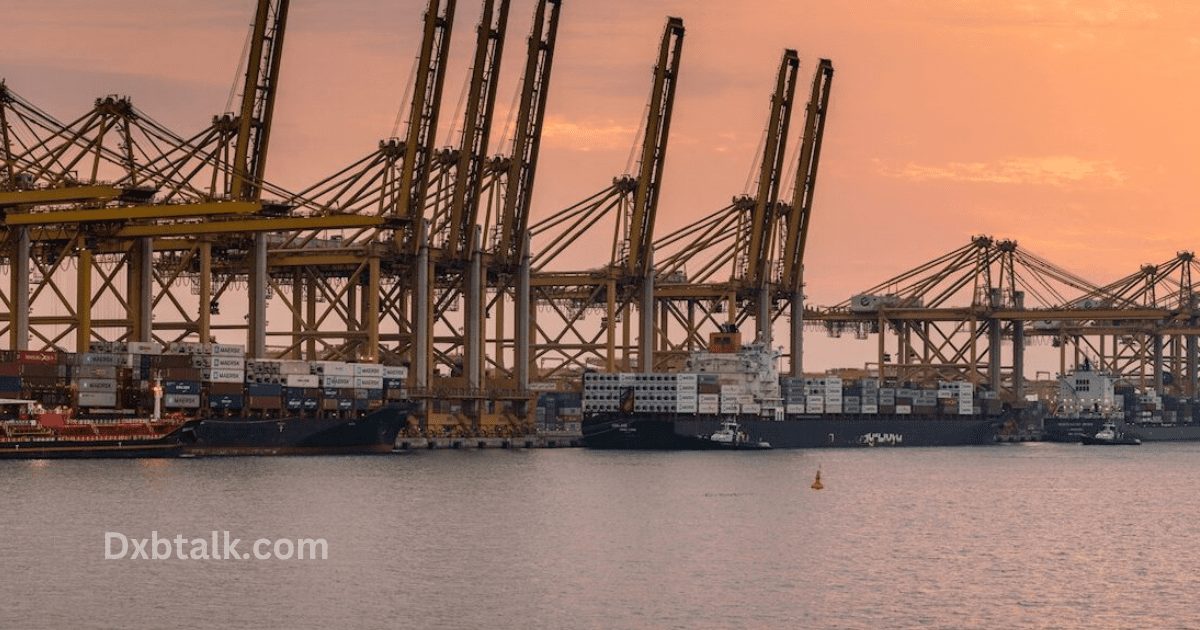
Jebel Ali’s Port and Free Zone district is a unique blend of cutting-edge infrastructure and strategic advantages that make it a standout location for businesses. Jebel Ali Port, recognized as one of the largest container ports in the world, offers unparalleled access to international shipping routes. Coupled with the Jebel Ali Free Zone, which provides numerous benefits like full foreign ownership and tax exemptions, this district is tailored for success. From logistics to manufacturing, Jebel Ali supports a diverse range of industries, enhancing Dubai’s global competitiveness. Learn what makes this district a prime choice for businesses looking to thrive.
Hashtags:
#JebelAli #JebelAliPort #FreeZoneBenefits #DubaiBusiness #GlobalTrade #UAETrade #TradeHub #LogisticsDubai #JAFZA #DubaiEconomy #BusinessOpportunities #ContainerPort #StrategicLocation #DubaiInfrastructure #InvestInDubai #InternationalTrade #BusinessExpansion #MiddleEastBusiness #TradeAndIndustry #DubaiGrowth #EconomicDevelopment #JebelAliFreeZone #BusinessFriendly #GlobalCommerce #TradeBenefits #DubaiOpportunities #ShippingRoutes #MiddleEastTrade #LogisticsSolutions #JebelAliInvestments #DubaiIndustry
More Than a Port: A Working District in Its Own Right
What is genuinely special about Jebel Ali is that it is not one facility but a whole working district built around trade. Within a relatively compact stretch of Dubai’s south-west you will find the port terminals, the Jebel Ali Free Zone with its offices and warehouses, industrial areas with factories and workshops, and the roads, utilities and services that keep all of them running. Most business districts specialise in one thing — offices, retail or manufacturing. Jebel Ali deliberately layers them together.
That layering changes how a business operates day to day. A trading company can keep its office, its stock and its shipping route in the same district; a manufacturer can receive raw materials through the port and send finished goods out the same way.
A Range of Industries Under One Roof
Walk through the free zone’s sectors and the diversity becomes clear. Food and beverage companies store and distribute goods for the region’s supermarkets and hotels. Automotive businesses handle vehicles and spare parts. Electronics, consumer goods, chemicals, building materials, machinery and general trading firms all operate here, alongside the logistics providers who move their products. This breadth is deliberate: a district that depends on a single industry rises and falls with it, while Jebel Ali’s mix spreads risk across many kinds of trade.
Facilities reflect that variety. Businesses can typically choose between ready-built warehouses, light industrial units, offices of different sizes and plots for purpose-built facilities, subject to availability and the current licensing rules for their activity. Smaller firms can start with modest space close to major distributors, while larger operators can build distribution centres scaled to regional volumes. Always check current options and terms directly before budgeting, as premises, fees and availability change.
📸 Follow @dxbtalk1 on Instagram for daily Dubai in photos →
Infrastructure Built for Heavy, Constant Use
Industrial districts succeed or fail on unglamorous infrastructure, and Jebel Ali was planned for heavy use from the start. Wide roads designed for container trucks, direct motorway connections towards the rest of Dubai, Abu Dhabi and the northern emirates, and port gates organised for commercial traffic all reduce the friction that plagues improvised industrial areas. Power, water and telecommunications were laid out for factories and warehouses rather than adapted from a residential plan.
The district also connects outward by more than road and sea. Dubai’s airports are reachable by motorway for urgent, high-value cargo that needs air freight, allowing some businesses to combine sea freight for bulk stock with air freight for urgent orders. Staff access has improved over the years too, with the Dubai Metro Red Line extending towards the Jebel Ali and Expo area, giving employees a public-transport option alongside company buses and driving.
Who This District Suits — and Who It May Not
Jebel Ali is special, but it is not for everyone, and honesty helps businesses choose well. It suits companies whose work involves importing, exporting, storing, making or distributing physical goods at scale, and firms that want a regional base serving several Gulf and wider markets from one stockholding. The free zone benefits described above, including full foreign ownership under current rules, are most valuable to exactly those internationally focused businesses.
It suits others less well. The sensible approach is to map your real movements for a typical month: where goods arrive, where they are stored, where customers are, and where staff live. If most of those lines pass through the port and the south-west corridor, Jebel Ali’s unusual combination of port, free zone and industry in one district is very hard to replicate elsewhere in the emirate.






Join the conversation