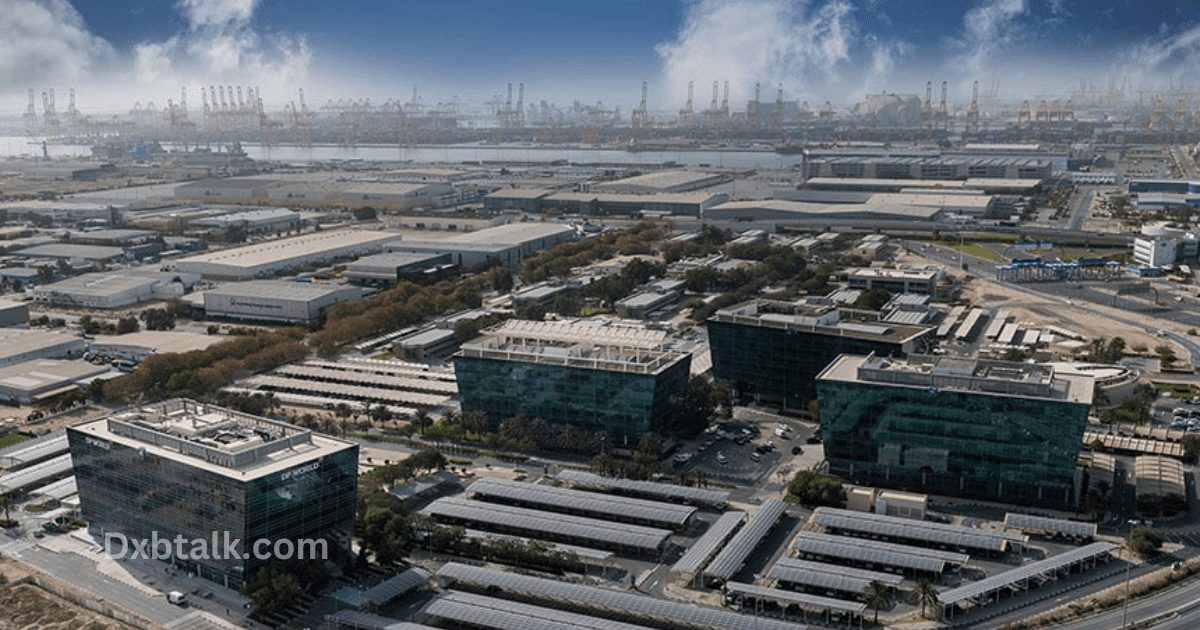
Jebel Ali Free Zone (JAFZA) plays a pivotal role in bolstering Dubai’s economy by attracting foreign investment and fostering trade. Established in 1985, JAFZA has become one of the largest free zones in the world, housing thousands of companies from various sectors. By offering 100% foreign ownership, tax exemptions, and minimal bureaucracy, JAFZA creates a conducive environment for businesses to thrive. The economic contributions from these enterprises enhance Dubai’s status as a global trading hub and drive innovation and job creation within the region. Discover how JAFZA continues to shape the economic landscape of Dubai.
Hashtags:
#JebelAliFreeZone #DubaiEconomy #EconomicImpact #ForeignInvestment #UAEFreeZones #BusinessOpportunities #JAFZA #GlobalTrade #DubaiIndustry #InvestInDubai #TradeHub #JobCreation #Innovation #DubaiBusiness #MiddleEastEconomy #TaxExemptions #BusinessFriendly #TradeAndIndustry #LogisticsDubai #DubaiGrowth #JebelAli #EconomicDevelopment #DubaiOpportunities #InternationalBusiness #TradeBenefits #JebelAliPort #BusinessExpansion #MiddleEastTrade #DubaiInvestments #GlobalCommerce #DubaiExports
Why a Free Zone Matters to a Whole Economy
To understand JAFZA’s impact, it helps to understand the problem it was created to solve. Dubai’s merchants had traded through the Creek for generations, but modern container shipping and global manufacturing demanded something larger: deep-water port capacity, industrial land, and business rules simple enough to persuade a foreign company to base its regional operation here rather than in a rival city. A free zone answers that challenge directly. By ring-fencing an area with its own streamlined licensing, full foreign ownership and relief from the customs and tax burdens that would otherwise apply, it removes much of the friction that makes companies hesitate.
The economic logic is a chain reaction. A company that sets up in the zone needs premises, staff, transport, banking, insurance and legal services. Its employees need homes, schools, clinics and shops. Its goods generate work at the port, on the roads and in warehouses far beyond the zone’s boundary. One firm’s arrival quietly creates income for dozens of others — and thousands of arrivals, over decades, reshape a city’s economy.
Trade, Re-Exports and Dubai’s Wider Role
Much of what passes through Jebel Ali is not ultimately consumed in Dubai at all. The emirate’s merchants built their reputation on re-exporting — bringing goods in from manufacturing nations and sending them onward, efficiently and with minimal delay, to markets across the Gulf, East Africa, the Indian subcontinent and beyond. JAFZA and its neighbouring port gave that old trading instinct an industrial scale.
This role supports Dubai’s economy in ways that are easy to overlook. Every re-exported consignment still generates local value: handling, storage, financing, documentation, insurance and transport are largely provided by businesses here. It also strengthens Dubai’s case as a headquarters city. A multinational deciding where to coordinate its Middle East operations naturally looks at where its goods already flow — and very often, that is through Jebel Ali.
📸 Follow @dxbtalk1 on Instagram for daily Dubai in photos →
Jobs and Skills Beyond the Zone’s Gates
The employment effect works on several levels. Inside the zone, companies recruit across the whole skills range, from warehouse operatives, drivers and technicians to engineers, sales teams and senior managers. Outside it, the ecosystem supports jobs in construction, facilities management, shipping services and professional firms that advise the zone’s tenants. Over time, that activity builds skills as well as jobs: workers learn modern logistics, manufacturing and compliance practices, and carry that experience with them through the wider economy, including into Emirati and regional businesses that trade with the zone.
What to Watch in the Years Ahead
JAFZA’s future impact will be shaped by forces larger than Dubai itself. Global supply chains are being reorganised as companies seek shorter, more resilient routes; regional manufacturing is growing; and ports and free zones across the Gulf are investing heavily and competing hard. Dubai’s advantages — its established tenant community, its port and airport connectivity, and the sheer accumulated experience of doing trade here — are real, but they have to be renewed with investment in efficiency, digital customs processes and sustainability, areas where the zone’s operators continue to focus.
For residents, the headline is simple. When a container is unloaded at Jebel Ali or a new warehouse opens in the free zone, the effects ripple outward into jobs, services and opportunities across the city. JAFZA is not the whole of Dubai’s economic story, but it remains one of its most important chapters — and one of the clearest examples of how a piece of well-planned infrastructure can change what a city is capable of.