

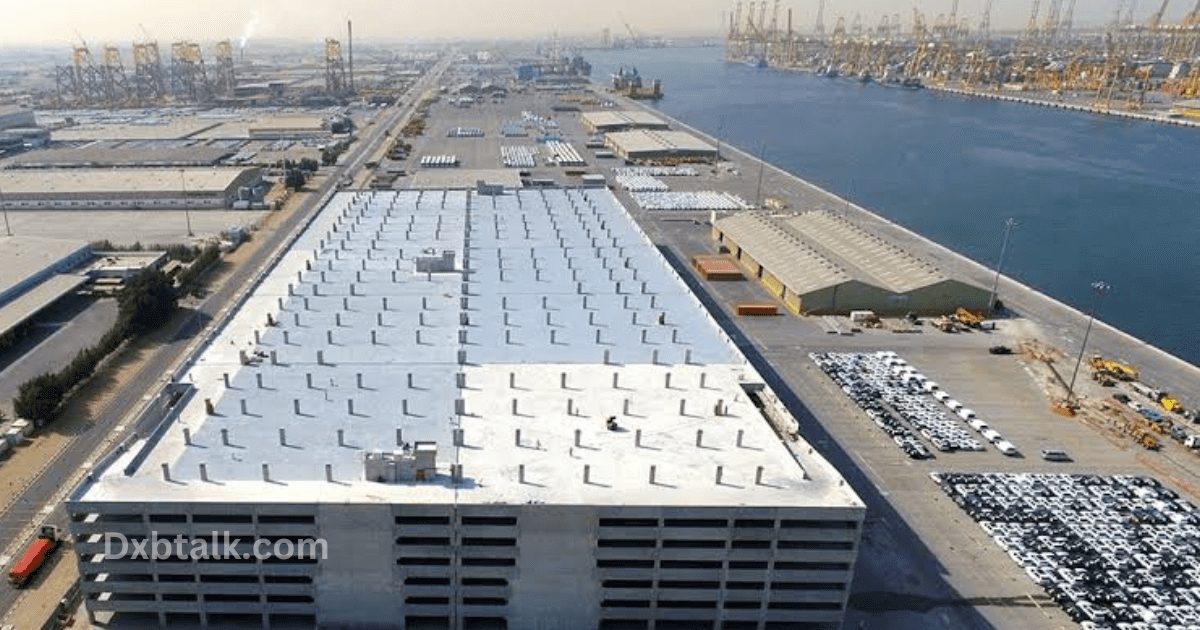
Jebel Ali has emerged as a crucial catalyst for economic diversification in Dubai, playing a vital role in shifting the economy away from oil dependency. The development of Jebel Ali Free Zone (JAFZA) and Jebel Ali Port has attracted a diverse range of industries, including logistics, manufacturing, and technology. By creating a thriving business ecosystem, Jebel Ali fosters innovation and entrepreneurship, contributing to the overall economic resilience of Dubai. Explore how Jebel Ali is shaping a more sustainable and diversified economy, reinforcing Dubai’s position as a global business hub.
Hashtags:
#JebelAli #EconomicDiversification #DubaiEconomy #JAFZA #GlobalTrade #UAETrade #BusinessOpportunities #DubaiGrowth #ManufacturingDubai #Innovation #LogisticsDubai #MiddleEastBusiness #TradeHub #JebelAliPort #InvestInDubai #SustainableEconomy #Entrepreneurship #BusinessEcosystem #DubaiInfrastructure #JobCreation #TradeAndIndustry #BusinessFriendly #DubaiInvestment #GlobalCommerce #EconomicDevelopment #JebelAliFreeZone #MiddleEastTrade #DubaiOpportunities #BusinessExpansion #DiversifiedEconomy
What Diversification Looks Like on the Ground
Diversification can sound abstract — a word from economic reports. In Jebel Ali it is visible in the mix of neighbours. On one road you may find a food processing plant, on the next a distribution centre for electronics, and nearby a factory making building materials or packaging. Logistics sits alongside manufacturing, trading, and increasingly technology and e-commerce operations. That mixture is the point: when one sector slows, others often keep moving, and the district does not depend on a single commodity.
This matters for Dubai as a whole because trade, transport and manufacturing create different kinds of work from oil extraction. They need warehouse teams, engineers, customs specialists, drivers, sales staff, quality controllers and office professionals. Each large facility also supports smaller local firms — maintenance contractors, caterers, transport companies and packaging suppliers — so the effect spreads beyond the free zone fence.
The Sectors That Have Grown Around the Port
Several broad clusters explain much of Jebel Ali’s diversification role:
- Logistics and re-export trade: goods are imported, stored, consolidated and shipped on to markets across the Middle East, Africa and South Asia.
- Manufacturing and assembly: metals, food and beverages, chemicals, machinery and consumer goods are produced or finished locally rather than simply imported.
- Automotive and spare parts: vehicles and components arrive through the port and are distributed regionally from Jebel Ali warehouses.
- Technology and digital trade: equipment traders, data-related services and online retailers use the zone as a regional stockholding base.
None of these sectors arrived by accident. Reliable port access, available industrial land and a business framework that welcomes foreign companies gave each of them a practical reason to choose this district over competing locations in the region.
📸 Follow @dxbtalk1 on Instagram for daily Dubai in photos →
Why Resilience Matters More Than Rapid Growth Alone
A diversified base is tested during difficult years — a global shipping disruption, a dip in consumer demand, or a slowdown in one export market. Jebel Ali’s breadth does not make it immune, but it does soften the impact. A port handling food, medicine, construction materials and consumer goods is carrying essentials as well as luxuries, and that spread tends to keep activity steadier than a zone built around one product.
The district also supports Dubai’s longer-term aim of making more things locally. When a manufacturer sets up in JAFZA, skills develop with it: technicians learn processes, managers learn regional distribution, and young workers find entry routes into industries that did not exist locally a generation ago. Over time, that knowledge base becomes an economic asset in its own right, separate from any single company’s performance.
A Balanced Way to Read Jebel Ali’s Success
It is worth keeping a sense of proportion. Jebel Ali is a major contributor to Dubai’s non-oil economy, but diversification is a citywide and nationwide effort that also includes tourism, finance, real estate, technology and other free zones across the Emirates. Jebel Ali’s particular contribution is the industrial and trade backbone — the physical movement and making of goods that other sectors quietly rely on.
For readers trying to understand modern Dubai, that is the real story here. The skyline shows ambition; Jebel Ali shows how the economy underneath it was broadened, one warehouse, factory and shipping route at a time. If you visit or work with firms in the zone, look for that variety — it is the clearest evidence of diversification in action.






Join the conversation