

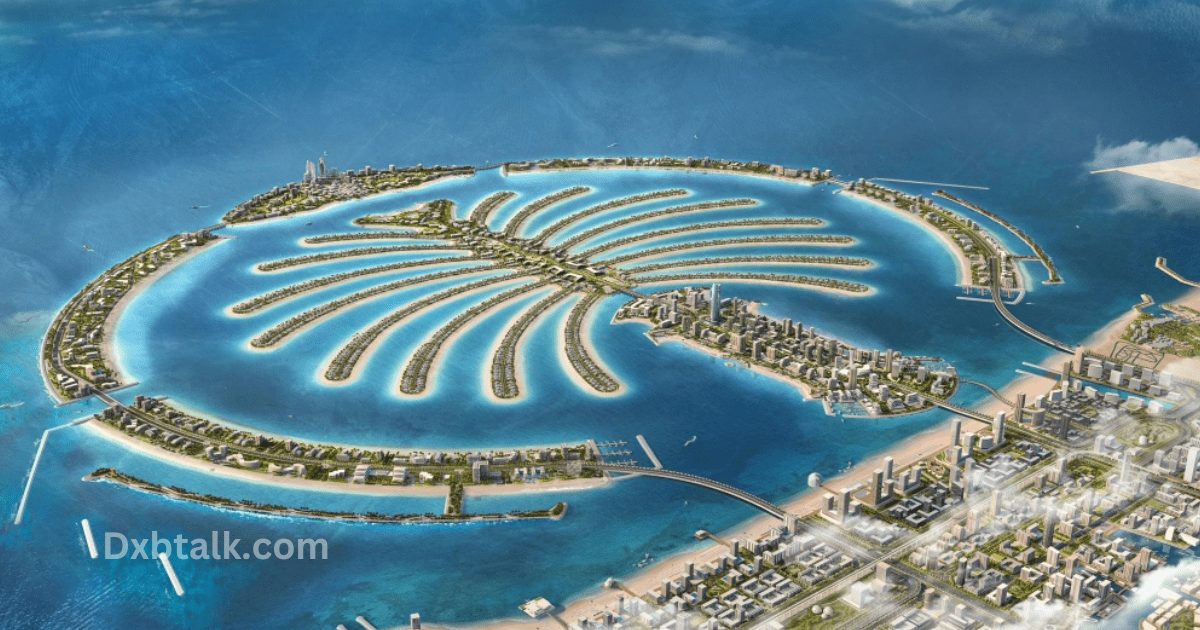
Jebel Ali plays a significant role in Dubai’s Vision 2021, which aims to position the emirate as a global business hub and a preferred destination for investment. The development of Jebel Ali Free Zone (JAFZA) and Jebel Ali Port aligns with the goals of enhancing economic diversification and fostering innovation. These initiatives attract foreign investment and support the growth of various sectors, including logistics, manufacturing, and technology. Learn how Jebel Ali contributes to realizing Dubai’s Vision 2021 and strengthening its economy for future generations.
Hashtags:
#JebelAli #DubaiVision2021 #EconomicGrowth #JAFZA #DubaiEconomy #GlobalBusinessHub #InvestInDubai #TradeAndIndustry #MiddleEastBusiness #Innovation #UAETrade #BusinessOpportunities #JebelAliPort #TradeHub #EconomicDiversification #JebelAliFreeZone #DubaiInfrastructure #JobCreation #BusinessFriendly #InternationalBusiness #GlobalTrade #BusinessExpansion #SustainableEconomy #DubaiGrowth #Vision2021 #EconomicDevelopment #DubaiInvestments #LogisticsDubai #Entrepreneurship #JebelAliBenefits
The Thinking Behind Vision 2021
UAE Vision 2021 was the national plan that framed the country’s development in the years leading up to its fiftieth anniversary. Its broad aims included a competitive, knowledge-based economy, a strong society, good education and healthcare, and a sustainable environment supported by modern infrastructure. For Dubai, that meant reducing reliance on any single source of income and strengthening sectors such as trade, logistics, tourism, manufacturing and technology.
Jebel Ali fitted that thinking especially well because it was never just one project. It combined a major deep-water port, one of the world’s largest free zones and a large industrial area in a single location on Dubai’s south-western edge. Together, they gave the emirate a physical base for the diversification the vision called for: goods could arrive by sea, be stored, processed or assembled nearby, and be re-exported or distributed across the region.
How the Port and Free Zone Supported the Plan
Jebel Ali Port gave Dubai direct shipping connections to markets across the Gulf, Asia, Africa and Europe, which mattered for a vision built around being a global business hub. A company based near the port could import goods, hold stock close to regional customers and ship onward without using ports outside the UAE — a practical form of competitiveness.
The free zone alongside it supported the investment side of the vision. Free zone companies in Dubai have typically been able to operate with full foreign ownership of the local company, straightforward company formation through the zone authority and customs arrangements suited to trading businesses. Those features, combined with warehouses, offices and industrial plots in one managed district, made it easier for international firms to test the region from a Dubai base — and for local firms to grow into exporters.
- Economic diversification: logistics, manufacturing and trading activity broadened the economy beyond oil-related income.
- Innovation and skills: modern port operations and industrial tenants created demand for technical, engineering and supply-chain skills.
- Global standing: a proven port-and-free-zone model strengthened Dubai’s pitch as a place to invest and base regional operations.
📸 Follow @dxbtalk1 on Instagram for daily Dubai in photos →
What It Meant for Jobs and Businesses on the Ground
For businesses, the practical effect was choice. A small trading company could start with a modest office and warehouse space near its goods, while a manufacturer could look at larger plots and purpose-built facilities. Freight forwarders, shipping agents, packaging firms, maintenance providers and many other suppliers grew up around the anchor tenants, creating the cluster effect that makes established business districts hard to replicate quickly.
For workers and residents, Jebel Ali’s growth supported jobs across port and warehouse operations, transport, engineering, administration, sales and management. If you are considering a job or business move there, look carefully at travel time from where you plan to live.
Jebel Ali’s Role Beyond 2021
Vision 2021 has now passed into history as a planning milestone, and later national and Dubai strategies have built on the same direction of travel: diversify, trade, innovate and stay globally connected. Jebel Ali remains central to that story because infrastructure of this scale does not serve a single plan — it serves decades of them. The port, free zone and industrial base continue to support new priorities, from e-commerce fulfilment to advanced manufacturing.
If you are reading about Jebel Ali as an investor or a new resident, treat Vision 2021 as useful background rather than a current rulebook. Check the free zone authority’s present-day guidance on licences, activities and costs before making decisions, as business rules and fees are updated over time. The long-term lesson of Jebel Ali is simpler and still relevant: Dubai backed its ambitions with concrete infrastructure, and that is a large part of why the area still matters.



Join the conversation