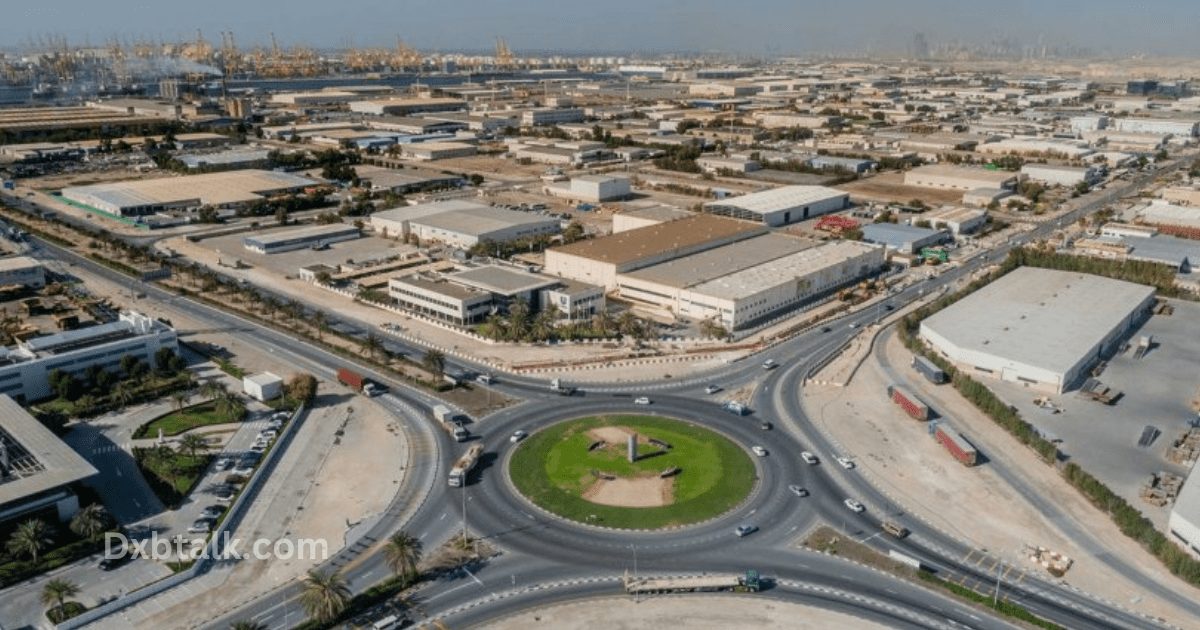
Jebel Ali has emerged as a premier destination for industrial investments in Dubai, attracting local and international businesses with its robust infrastructure and strategic location. Home to the Jebel Ali Free Zone (JAFZA) and Jebel Ali Port, this district offers a range of advantages, including tax incentives, full ownership, and access to a skilled workforce. The area is designed to support industries such as manufacturing, logistics, and technology, making it a vital part of Dubai’s economic landscape. Discover the reasons behind Jebel Ali’s reputation as an industrial powerhouse and how it can benefit your business.
Hashtags:
#JebelAli #IndustrialInvestments #DubaiBusiness #JAFZA #DubaiEconomy #TradeHub #LogisticsDubai #BusinessGrowth #UAETrade #DubaiIndustry #ManufacturingDubai #EconomicDevelopment #JebelAliFreeZone #InvestmentOpportunities #DubaiLogistics #GlobalTrade #BusinessExpansion #MiddleEastBusiness #TradeAndIndustry #JebelAliPort #InfrastructureDubai #BusinessFriendly #InvestInDubai #DubaiGrowth #DubaiCompanies #IndustrialHub #MiddleEastTrade #TradeBenefits #JebelAliInvestments #GlobalCommerce #DubaiOpportunities
What Investors Are Really Buying Into
An industrial investment in Jebel Ali is rarely about a single building. What investors are really backing is a position inside one of the region’s busiest trade ecosystems: a port, a long-established free zone, and a large community of suppliers, freight companies and distributors all operating in the same district. That clustering matters. A manufacturer here does not have to build every part of its operation from scratch, because packaging firms, maintenance contractors, transport providers and storage specialists are already nearby, competing for its business.
This is also why the area appeals to companies thinking regionally rather than locally. Dubai has long positioned itself as a re-export hub between Asia, Europe and Africa, and Jebel Ali is where much of that physical trade is handled. A facility here can serve the UAE market day to day while also acting as a staging point for goods heading onwards by sea or road to other Gulf countries.
Doing Your Homework Before You Invest
Sensible investors treat the attractive headline benefits as a starting point, not a conclusion. Full ownership and tax incentives only create value if the underlying operation works, so the groundwork matters more than the brochure. Before signing anything, work through questions like these:
- What activity will you actually be licensed for? Trading, manufacturing and logistics are treated differently, and your licence must match what happens on site
- What size of facility do you genuinely need? Ready-built warehouses, offices and open land all carry different costs and commitments
- How will goods move? Model the full journey from port or airport to your unit and onward to customers, including customs steps
- Who will staff it? Consider where employees will live, how they will commute, and what skills are realistically available
- What are the total running costs? Licence, lease, utilities, staffing and compliance costs together — not just the headline rent
Fees, licence categories and incentive terms change over time, so always confirm current figures directly with the free zone authority or a reputable setup adviser before building a financial plan around them.
📸 Follow @dxbtalk1 on Instagram for daily Dubai in photos →
Infrastructure That Reduces Day-to-Day Friction
Industrial investors worry about practical things: power supply, road access, loading space, room to expand, and whether a container arriving on schedule actually reaches the warehouse on schedule. Jebel Ali’s appeal is that these basics were planned in from the start rather than improvised later. The road network links the district to the rest of Dubai and to the Abu Dhabi highway, the port handles the sea leg, and Dubai’s airports cover urgent, high-value cargo when speed matters more than cost.
There is also strength in the workforce already here. Thousands of people work in the district across shifts, which means experienced warehouse staff, drivers, technicians and logistics managers circulate within a local labour market that understands this kind of work.
Common Mistakes to Avoid
The most frequent mistake is choosing on price alone. A cheaper unit that adds an hour to every delivery run, or that cannot be expanded when orders grow, can cost more over a lease than the obvious saving. A second mistake is underestimating compliance: industrial activities can involve approvals around storage, safety and the type of goods handled, and discovering a restriction after signing is an expensive way to learn. Finally, visit at different times of day. Traffic patterns, shift changes and port activity all affect how the district feels, and a single midday tour rarely tells the whole story. Jebel Ali rewards investors who plan carefully — the location does a great deal of the heavy lifting, but it does not do all of it.