

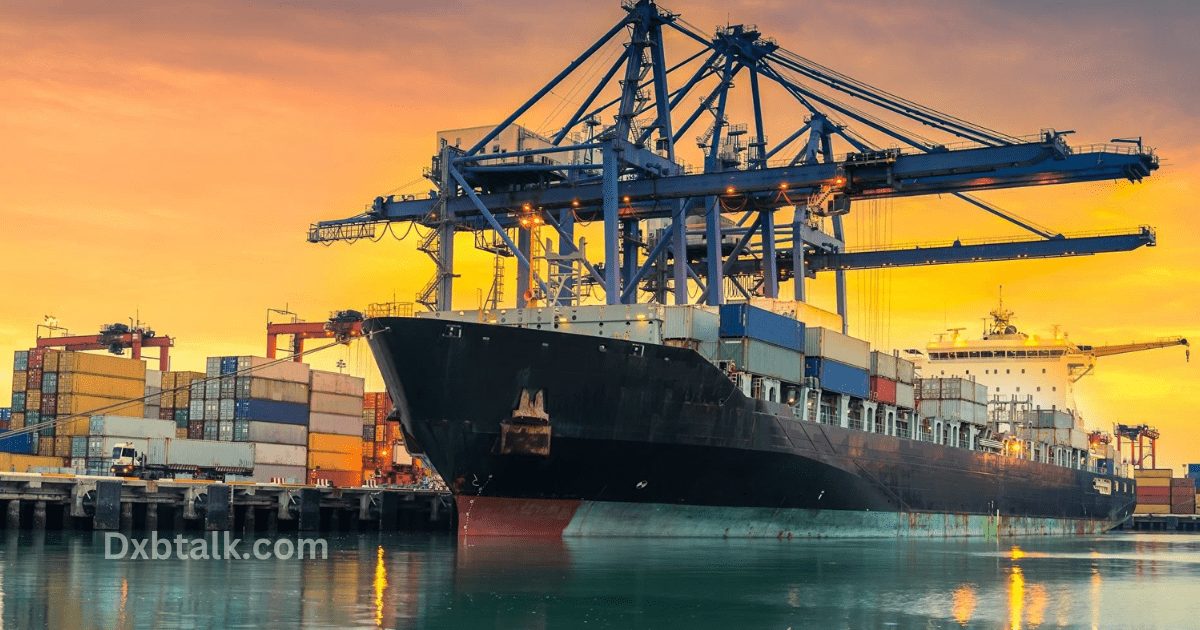
Jebel Ali serves as Dubai’s primary gateway to global trade, attracting a vast network of international companies. Thanks to its robust infrastructure and strategic positioning, Jebel Ali provides direct access to global markets across Asia, Europe, and Africa. With the Jebel Ali Port being one of the largest and busiest ports worldwide, and the Jebel Ali Free Zone offering competitive business incentives, this district plays an integral role in Dubai’s logistics, trade, and economic landscape. Learn how Jebel Ali’s unique blend of facilities, investment benefits, and global reach is shaping Dubai into a world-leading trade and industry hub.
Hashtags:
#JebelAli #GlobalTrade #DubaiGateway #DubaiTrade #MiddleEastTrade #JAFZA #DubaiEconomy #DubaiLogistics #PortOfDubai #TradeHub #DubaiFreeZone #InvestInDubai #LogisticsHub #TradeAndIndustry #JebelAliPort #DubaiBusiness #UAETrade #InternationalMarkets #DubaiInfrastructure #DubaiGlobalHub #BusinessInDubai #DubaiOpportunities #JebelAliIndustrial #TradeOpportunities #MiddleEastHub #FreeZoneDubai #BusinessDubai #GlobalSupplyChain #EconomicGrowthDubai #VisitDubai #DubaiExports
A Gateway, Not Just a Destination
Calling Jebel Ali a gateway describes how trade actually flows through it. A large share of what arrives at its port is not destined for a shop shelf in Dubai at all. Goods land here, are stored or processed in the adjoining free zone, and then move on — to other emirates, to Gulf neighbours by road, or back onto ships bound for ports around the Indian Ocean, East Africa and beyond. In trade language, much of this is re-export, and it is central to Dubai’s economy rather than a side activity.
This gateway role exists because of position. Dubai sits between the manufacturing regions of Asia and consumer and construction markets across the Middle East, Africa and Europe, with sailing routes passing through the Gulf. For a shipping line or a distributor, a reliable hub on that route — where cargo can be consolidated, split and redirected — is more valuable than a port that only serves its own city.
How Global Trade Moves Through One District
Picture a typical flow. A manufacturer in Asia loads a container of electronics. Rather than sending separate small shipments to five different markets, it sends a large consignment to Jebel Ali. In the free zone, a regional distributor receives the goods, stores them under the applicable customs arrangements, then releases them in smaller batches: some by truck within the UAE, some by road to neighbouring countries, some by sea or air onward.
That single example explains why so many international companies keep a Jebel Ali presence even when their head office is on another continent. One stockholding can serve many markets, which reduces the warehousing, paperwork and duplicated inventory they would need if every country were supplied separately. It also explains the district’s supporting cast — freight forwarders, shipping agents, insurers, inspectors, packaging firms and customs specialists — whose work is to keep other people’s trade moving across borders smoothly.
📸 Follow @dxbtalk1 on Instagram for daily Dubai in photos →
Roads, Sea and Air Pulling Together
A gateway only works if its connections onwards are as strong as its arrival point. From Jebel Ali, motorways run towards Abu Dhabi and the western UAE, back through Dubai to the northern emirates, and onward to land borders used by regional trucking.
Air freight completes the picture for the goods that cannot wait for a ship. Dubai’s international airports are connected to the Jebel Ali corridor by motorway, so logistics companies can combine modes: bulk stock by sea, urgent components or high-value items by air, both managed from one regional operation.
What the Gateway Means for Dubai Itself
For Dubai, Jebel Ali’s gateway role brings benefits far beyond the port gates. Trade on this scale supports employment across logistics, warehousing, transport, manufacturing and professional services, and it keeps the emirate relevant to global companies choosing where to base regional operations.
When supply chains are disrupted — by congestion, conflict or sudden shifts in demand — companies value hubs with spare relationships, alternative routes and experienced operators who can reroute cargo. Dubai’s long investment in the port, the free zone and the connecting roads is aimed at being that dependable option. That, more than any single statistic about size, is why Jebel Ali functions as Dubai’s gateway to global trade: it is the place where the world’s goods do not simply arrive, but are organised, redirected and sent on to everywhere else.



Join the conversation