

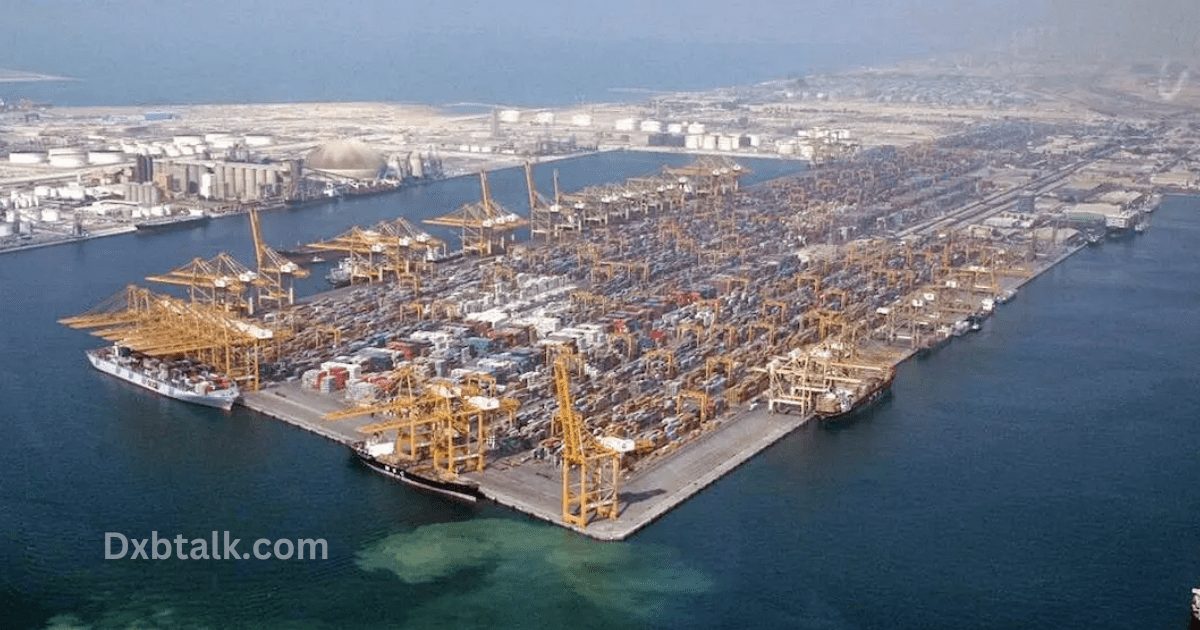
Jebel Ali has become a strategic hub for trade and industry in Dubai, attracting businesses worldwide due to its unique location and infrastructure. As the home to Jebel Ali Port—one of the world’s largest ports—and Jebel Ali Free Zone (JAFZA), this district offers easy access to key global markets. Companies operating here benefit from full foreign ownership, tax exemptions, and streamlined import/export processes, making Jebel Ali an ideal base for multinational corporations. Learn how Jebel Ali’s advantages drive economic growth and solidify Dubai’s position as a leading trade and logistics hub in the Middle East.
Hashtags:
#JebelAli #TradeHub #DubaiBusiness #JAFZA #DubaiFreeZone #MiddleEastTrade #GlobalTrade #DubaiEconomy #InvestInDubai #DubaiLogistics #UAETrade #JebelAliPort #DubaiGrowth #BusinessFriendly #TradeAndIndustry #DubaiInvestments #BusinessDubai #DubaiInfrastructure #GlobalMarkets #IndustrialHub #TradeOpportunities #DubaiExpansion #MiddleEastHub #BusinessOpportunities #JebelAliBenefits #DubaiCommerce #DubaiTradeHub #DubaiOpportunities #JebelAliFreeZone #EconomicGrowth #DubaiPorts
A Location Chosen for Reach, Not Just Space
Jebel Ali sits on Dubai’s south-western coast, along the main corridor towards Abu Dhabi, and that position explains much of its success. A deep-water port on the Arabian Gulf places shipping routes to South Asia, East Africa and the wider Gulf within practical reach, while the emirate’s road network connects the district inland to the rest of the UAE and, by highway, to neighbouring Gulf markets.
The district also had something central Dubai could not offer at the same scale: room to grow. Port terminals, warehouses, factories and logistics yards need large, flat plots with direct access to quays and motorways. Building that cluster together, rather than scattering it through a crowded city, lets cranes, trucks and storage work as one system instead of competing for road space.
Port and Free Zone Working as One System
The strategic trick at Jebel Ali is the pairing of the port with Jebel Ali Free Zone, known as JAFZA. Goods can move from ship to warehouse to processing or assembly space within a single, purpose-built district, instead of crossing a city between each step. That proximity reduces handling, simplifies planning and makes it easier for companies to hold stock close to the point of arrival.
The free zone framework described above — full foreign ownership and tax advantages, subject to the current rules that apply to each business — adds a commercial layer to the physical one. Companies should always confirm the present licensing, customs and tax position for their exact activity before committing, as free zone rules are updated from time to time. What remains constant is the logic: a firm can establish, import, store, process and re-export from one base, with the port on its doorstep.
📸 Follow @dxbtalk1 on Instagram for daily Dubai in photos →
Who Actually Sets Up Here, and Why
Jebel Ali is not a single-industry district. Its tenants typically include shipping and freight companies, warehousing and distribution operators, manufacturers and light assembly businesses, food and consumer-goods importers, automotive and spare-parts traders, and building-materials suppliers. What they share is volume: their goods are bulky, frequent or time-sensitive enough that being beside the port outweighs a more central office address.
That mix creates its own momentum. A manufacturer benefits from component suppliers nearby; a distributor benefits from freight forwarders, packaging firms, maintenance workshops and customs brokers in the same area. Over time, this clustering — sometimes called an ecosystem — becomes a reason to locate here in itself, because a new business can find most of the services it needs without building them from scratch.
Questions to Ask Before Choosing Jebel Ali
For all its advantages, Jebel Ali suits some businesses better than others, and a careful comparison helps. Consider these points before deciding:
- Where are your customers? A Jebel Ali base works best for regional distribution and re-export; a business serving only local walk-in customers may belong elsewhere.
- What will you move, and how often? Container volume, storage needs and delivery frequency decide whether port-side warehousing saves you money overall.
- Which licence and activity fit? Trading, logistics and industrial activities have different set-up requirements, so take current advice from the free zone authority or a reputable adviser.
- What are the total premises costs? Compare warehouse or office options, service charges and transport costs together, rather than judging rent alone.
Handled this way, Jebel Ali’s appeal is not a slogan about size. It is the practical combination of coastal position, industrial land, an integrated free zone and a deep bench of neighbouring trade services — which is why so many regional supply chains pass through this one district.



Join the conversation