

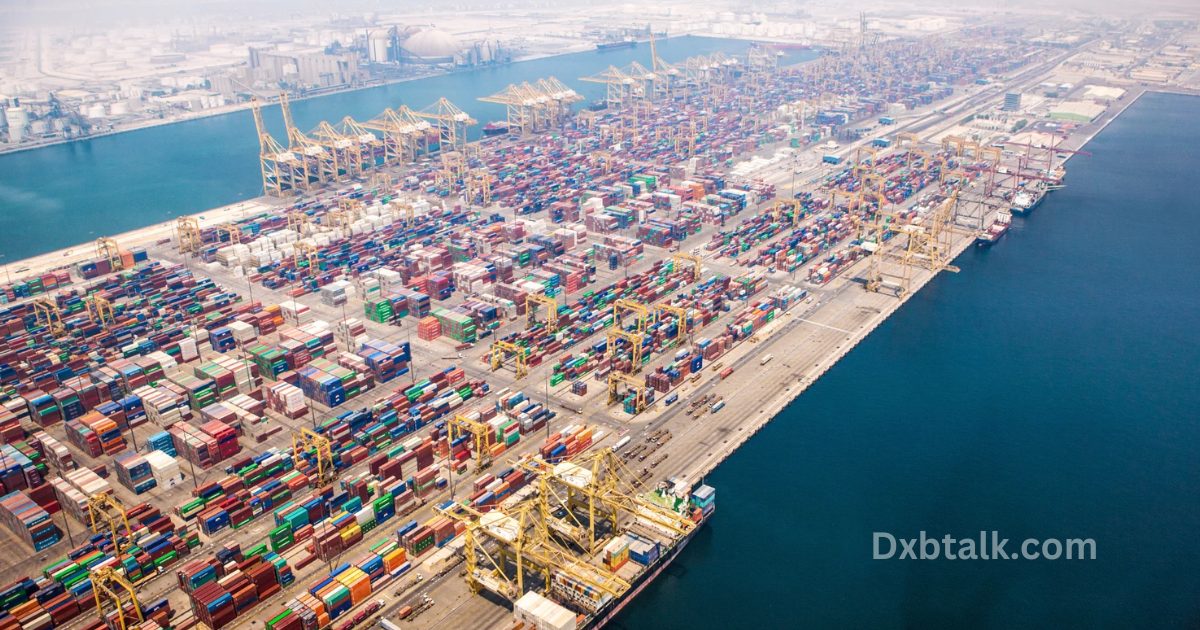
Jebel Ali Port is a critical asset for Dubai, serving as the primary gateway for international trade in the region. As one of the largest and busiest ports globally, it handles millions of containers annually, facilitating trade routes to Europe, Asia, and Africa. The port’s strategic location, coupled with advanced logistics and handling facilities, enables efficient import and export processes for businesses. With its connection to Jebel Ali Free Zone (JAFZA), companies benefit from streamlined operations, tax exemptions, and a thriving business ecosystem. Explore how Jebel Ali Port contributes to Dubai’s success as a global trading hub.
Hashtags:
#JebelAliPort #DubaiTrade #InternationalTrade #JAFZA #DubaiLogistics #MiddleEastTrade #TradeGateway #GlobalCommerce #DubaiEconomy #PortOfDubai #LogisticsSolutions #TradeInfrastructure #UAETrade #ContainerShipping #BusinessDubai #DubaiExports #TradeAndIndustry #JebelAli #GlobalTrade #EconomicGrowth #BusinessOpportunities #DubaiWarehousing #ShippingHub #JebelAliFreeZone #DubaiBusiness #MiddleEastBusiness #TradeEfficiency #JebelAliFacilities #DubaiGrowth #InvestInDubai #LogisticsHub
Following a Container Through the Port
The clearest way to understand Jebel Ali Port is to follow a single container. A vessel arriving from Asia, Europe or elsewhere in the region is guided to a berth, where large ship-to-shore cranes lift containers from the hold and place them onto terminal vehicles. Each box carries a unique identity and destination, recorded digitally long before the ship arrives, so the terminal already knows whether it is bound for a warehouse in Dubai, a truck to another emirate or another vessel onwards.
From the quay, containers move to stacked yard areas organised by destination and collection time. Customs processes, paperwork checks and, where required, inspections happen within this flow rather than as an afterthought. For exports, the journey runs in reverse — goods arrive by road, are documented and stored, then loaded to meet a sailing. The port’s success rests on thousands of these small handovers happening predictably, day and night, rather than on any single piece of equipment.
The Machinery and Systems You Do Not See
The cranes dominate photographs, but the less visible systems do as much work. Terminal operating software tracks every container’s position, plans crane and vehicle movements, and sequences loading so that a ship’s weight, destination order and departure time all line up.
The port handles far more than standard containers, too. General and bulk cargo, vehicles and oversized project cargo for construction and energy projects all require different berths, lifting equipment and storage. Refrigerated containers — known in the trade as reefers — plug into powered points so food, pharmaceuticals and other temperature-sensitive goods stay within their required range while waiting. That variety is part of why the port serves the whole economy, from supermarket supply chains to major industrial projects, and not only the shipping lines themselves.
📸 Follow @dxbtalk1 on Instagram for daily Dubai in photos →
People, Shifts and Safety Behind the Statistics
A port of this scale is effectively a small city that never fully sleeps. Crane operators, planners, engineers, marine pilots, tug crews, customs staff, hauliers and warehouse teams work in shifts so vessels can arrive and leave around the clock and around weather, traffic and delays elsewhere in the world.
Safety shapes every routine. Heavy lifts, moving vehicles and stacked containers leave little room for improvisation, so access to operational areas is tightly controlled and visitors should never expect to wander the terminals. The public rarely sees this side of Jebel Ali, and the port is best appreciated from outside its secure areas: from the scale of the cranes on the skyline to the steady flow of trucks on the surrounding motorways, which together show the volume of trade passing through.
Why the Free Zone Next Door Multiplies the Port’s Value
Many ports can unload a ship. Jebel Ali’s advantage is what happens in the following days. Because Jebel Ali Free Zone sits directly alongside, an imported container does not have to be at its final destination the moment it clears the quay. Goods can be stored, sorted, labelled, assembled or split into smaller consignments nearby, then dispatched across the UAE and the region as orders arrive — or loaded back onto a vessel as re-exports.
A regional seller can hold stock close to the port, serve customers in several markets from one inventory and restock by sea in large, economical shipments rather than relying on frequent air freight. Confirm the current customs and free zone arrangements for your own goods before planning around them, as procedures depend on the product and destination. The underlying strength, though, is structural: sea access, storage and business licensing arranged as neighbours, so trade keeps moving instead of stopping at the water’s edge.





