

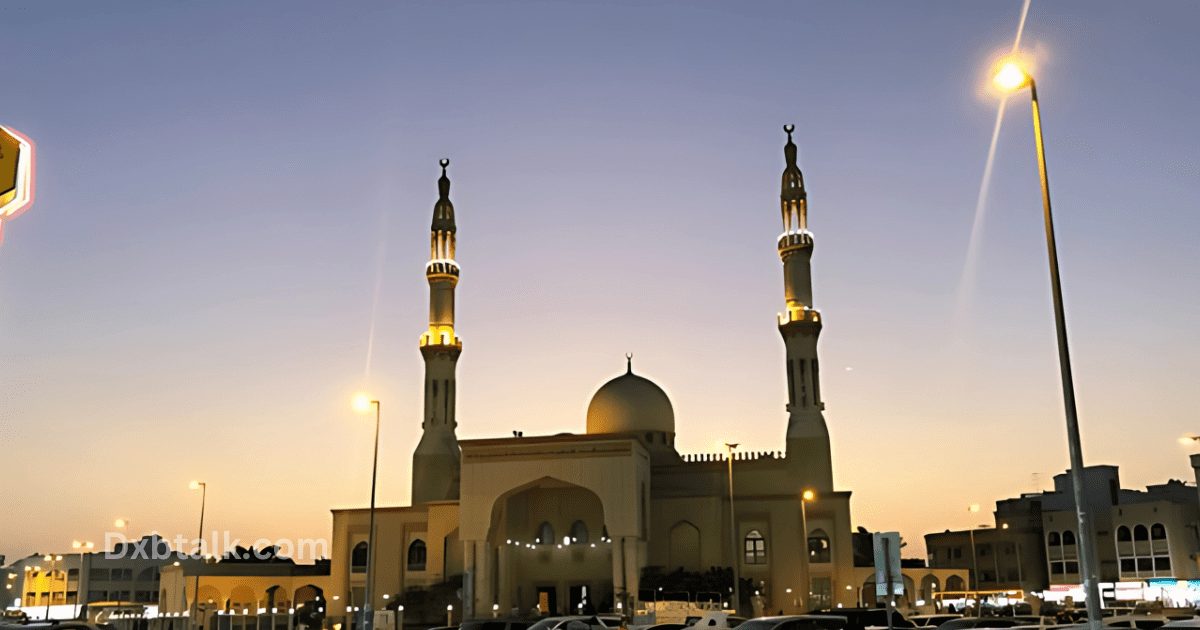
Satwa hides in plain sight. Visitors drive through it on the way to somewhere shinier, register the textile shops and the cafeterias, and miss the fact that one of Dubai’s most characterful neighbourhoods is unfolding at street level around them. The real Satwa rewards the walker: a fabric market that functions as a design library, a restored villa from another Dubai, galleries small enough to talk to the artists in. These are its hidden gems, the off-the-beaten-path spots that show what the district actually is.
The Textile Market: Satwa’s Beating Heart
Begin where Satwa begins. The Satwa Textile Market is less a market than an open-air archive of cloth: shop after shop of textiles, from luxurious silks to the brightest cottons, bolts stacked to the ceiling in colours that should not work together and somehow do. This is where Dubai’s tailors source, where wedding outfits and national dress begin their lives, where home decorators and crafters come to fondle possibilities. Even if you buy nothing, walk it slowly. The market explains the neighbourhood: trade, craft and community woven as tightly as the fabric.
The Old Villa and the Heritage Layer
Satwa remembers. The Old Villa, a charming restored house in traditional style, offers a glimpse into Dubai’s past, its architecture and gardens a deliberate pause from the modern streets, and a favourite with photographers precisely because it should not exist here and does. Around it, the Satwa Heritage Village functions as a lesser-known cultural hub, hosting events and showcasing traditional Emirati crafts, the skills and objects of the country before the towers. Together they make the argument that heritage in Dubai is not confined to one restored district across the Creek; it is alive in working neighbourhoods, if you know where to stand.
📸 Follow @dxbtalk1 on Instagram for daily Dubai in photos →
Garden Glow and the Galleries
Two modern pleasures complete the circuit. Nearby, Dubai Garden Glow turns a park into an evening of light: glowing installations and art pieces that make an after-dark stroll feel like a festival, ideal when the day’s heat has broken. And scattered through Satwa are small local art galleries showing work from the city’s contemporary artists, emerging names alongside established ones, in spaces intimate enough that the person explaining the painting may well have painted it. For a fresh perspective on Dubai’s art scene, skip the blockbuster exhibition once and do this instead.
How to Explore It Properly
Satwa does not reward an itinerary; it rewards a wander with a few anchors. Anchor on the textile market in the morning, drift to the villa and the heritage corners as the light softens, eat where the queue of residents tells you to eat, and save Garden Glow for after dark. Bring a camera, because Satwa is one of the most photogenic districts in Dubai precisely by not trying to be. What you take home from a day here is not a checklist of sights. It is the understanding that Dubai’s character does not live only in its icons, but in neighbourhoods like this one, working, weaving, and quietly keeping the city’s soul in stock.
A Note on Finding the Villa and Village
Satwa’s heritage spots do not announce themselves with signage and queues, which is rather the point, so a little method helps. Ask in the textile shops; the merchants of the market are the neighbourhood’s living directory and take genuine pleasure in directing the curious. Go in the morning for the market and the villa, when the light is kind and the streets are at their most themselves, and keep your camera ready for the unplanned frames between the planned ones, the tailor at his machine, the café at full voice. Satwa’s hidden gems are finally less a list of places than a way of moving through the district: slowly, on foot, and in conversation. Move that way and the gems stop hiding.



Join the conversation