

Al Fahidi Historical District: Preserving Dubai’s Heritage
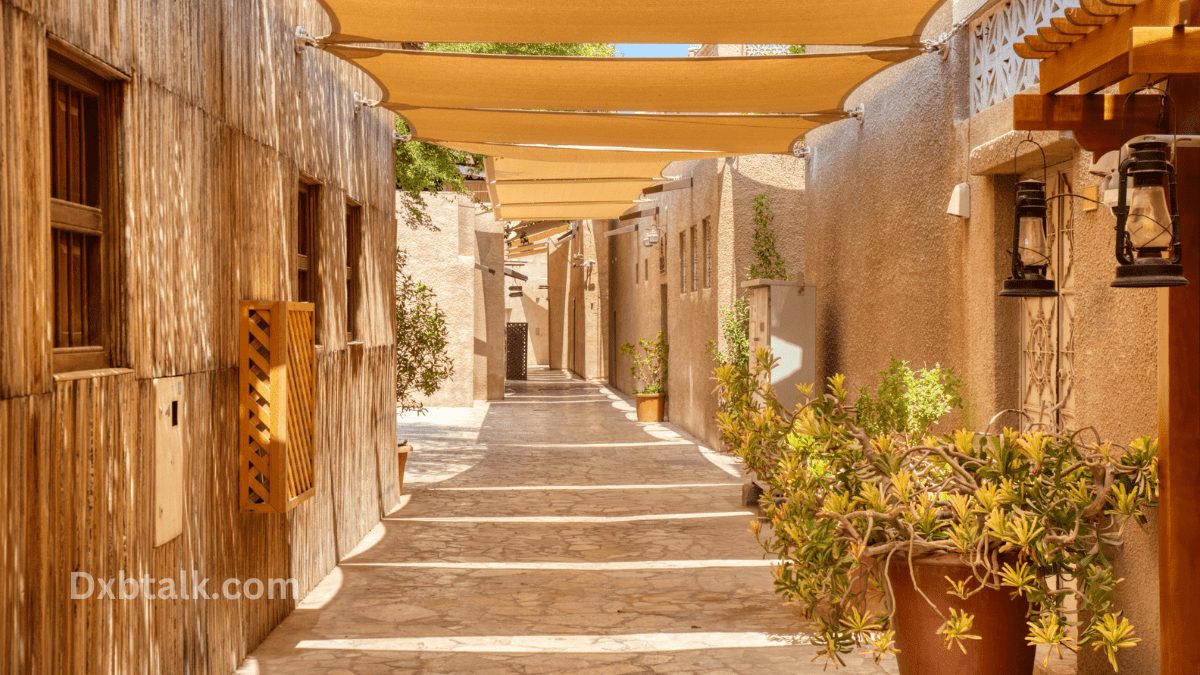
Al Fahidi Historical District is a living testament to Dubai’s rich cultural heritage. Located in the heart of Bur Dubai, this historic neighborhood is a stark contrast to the city’s modern skyscrapers, offering visitors a glimpse into the past.
Architectural Highlights
The district is known for its wind towers, narrow alleys, and traditional courtyard houses. These structures, built from coral stone, gypsum, and palm wood, showcase the ingenuity of Emirati architecture in combating the desert climate.
Dubai Museum and Cultural Centers
The Al Fahidi Fort, home to the Dubai Museum, provides insights into the city’s evolution from a fishing village to a global metropolis. Cultural hubs like the Sheikh Mohammed Centre for Cultural Understanding (SMCCU) host workshops and tours that promote understanding of Emirati traditions.
Al Seef: Where Tradition Meets Modernity
Adjacent to the district, Al Seef blends historic charm with modern amenities. Visitors can explore souks, dine at waterfront restaurants, and shop for local handicrafts.
Conclusion
Al Fahidi Historical District is a treasure trove of history and culture. It preserves the soul of old Dubai while offering a rich, immersive experience for residents and tourists alike.
Hashtags: #AlFahidiDistrict, #DubaiHeritage, #CulturalPreservation, #DubaiHistory
How to Explore the Lanes at Your Own Pace
The best way to enjoy Al Fahidi is slowly, on foot. The district is compact, so you do not need a strict itinerary. Start by simply wandering the narrow lanes, known locally as sikkas, and letting the layout do the work. Around almost every corner you will find another courtyard, a small gallery, a quiet café tucked inside a restored house, or a shaded bench where you can pause out of the sun.
Morning visits tend to be calmer for walking, while late afternoon brings softer light for photographs. Allow extra time rather than rushing between sights. Much of the pleasure here is in the details: carved wooden doors, decorative gypsum screens, and the way the high walls keep the lanes shaded for much of the day.
Reading the Architecture as You Walk
The wind towers that rise above the rooftops are more than decoration. Before air conditioning, they caught breezes high above the street and channelled cooler air down into the rooms below, while thick walls and small exterior openings helped keep interiors comfortable. Once you understand that, the whole district starts to read as a practical response to climate rather than simply an old style of building.
Most houses are arranged around a central courtyard, with rooms opening inwards. That layout gave families privacy, shade and a shared outdoor space at the heart of the home. Many buildings have now been carefully restored and given new lives as museums, galleries and cultural spaces, but the original proportions remain. Look up as well as ahead — the towers, parapets and layered rooflines are where much of the character sits.
📸 Follow @dxbtalk1 on Instagram for daily Dubai in photos →
Making the Most of the Cultural Stops
Rather than trying to visit everything, choose a small number of stops and give them proper time. A fort museum visit gives useful background on pearl diving, trade and everyday life before the oil era, which then makes the houses and lanes outside easier to understand. Cultural talks, heritage meals and guided walks run by local centres can also help visitors appreciate customs around hospitality, dress and greetings in an Emirati home setting.
- Dress respectfully: Modest clothing is appreciated in heritage and cultural spaces, and essential if you plan to enter any religious site nearby.
- Ask before photographing people: The lanes are photogenic, but a quick polite request is always the right approach.
- Combine with the Creek: The district sits close to Dubai Creek, so you can easily pair a visit with a short traditional boat crossing or a walk along the waterfront at Al Seef.
Practical Tips for Your Visit
Getting there is straightforward. The area is served by nearby Metro stations on the Green Line and by buses and taxis, and drivers will find parking around the edges of the district, although spaces can fill up at busy times. Wear comfortable shoes, as lanes are uneven in places, and carry water in warmer months. Many smaller venues keep their own opening hours and may close between exhibitions, so check current times before you go if there is a particular gallery or workshop you do not want to miss. Give Al Fahidi at least half a day if you can — it rewards visitors who linger.



Join the conversation