

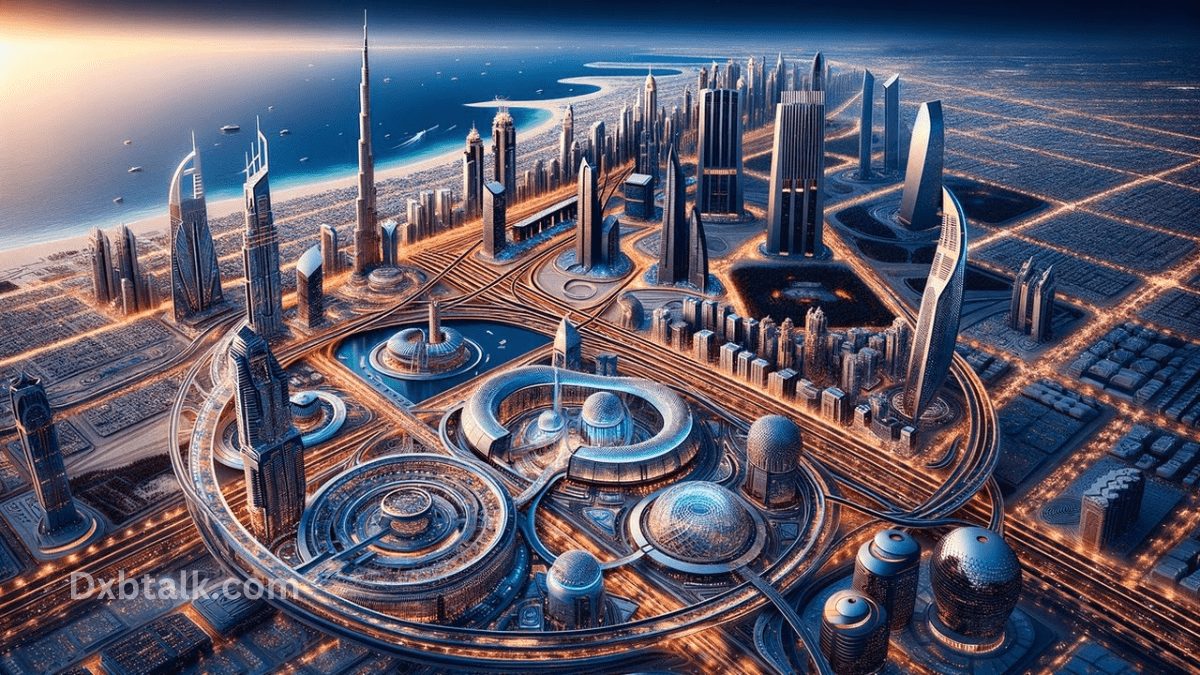
Exploring Dubai’s Futuristic Designs: The City’s Architectural Revolution
Dubai is synonymous with the future. Its cutting-edge architecture showcases a city unafraid to dream big and push boundaries. Futuristic designs like the Museum of the Future and Dubai Opera highlight Dubai’s innovative spirit, blending form with function to create landmarks that inspire.
The Museum of the Future: A Vision in Steel
The Museum of the Future, with its torus-shaped design, is one of the most ambitious projects in Dubai. Clad in stainless steel and etched with Arabic calligraphy, it represents the seamless blend of tradition and innovation. The museum is a hub for technological exploration, offering exhibits on AI, robotics, and space exploration.
Dubai Opera: A Modern Dhow
The Dubai Opera is shaped like a traditional dhow, symbolizing Dubai’s maritime heritage. It is a multi-purpose venue hosting operas, ballets, concerts, and theatrical performances. Its flexible design allows the space to transform from a theater to a banquet hall or exhibition space.
Smart Cities and Urban Planning
Dubai’s futuristic vision extends to urban planning, with developments like Smart City Dubai incorporating AI, IoT, and renewable energy solutions. These smart initiatives ensure sustainability and improve quality of life.
Conclusion
Dubai’s futuristic architecture stands as a beacon for what cities can achieve through vision, technology, and innovation. Each project is a testament to the city’s commitment to creating a sustainable, tech-driven future.
Hashtags: #DubaiFuturisticDesign, #MuseumOfTheFuture, #DubaiOpera, #SmartCitiesDubai, #InnovativeArchitecture
Beyond the Icons: Reading the Buildings Around You
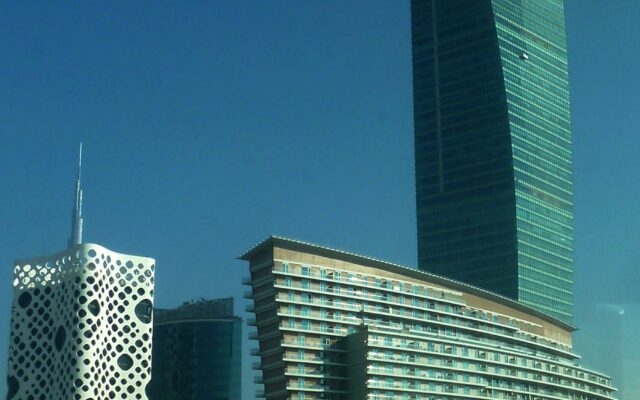
The famous landmarks are only part of the story. As you move around the city, look at how newer towers play with shape, shade and surface: twisted forms, stepped profiles, patterned screens and facades that change character as the sun moves across them. Many designs borrow quietly from regional traditions — geometric patterns, courtyards and screening that softens harsh sunlight — even when the overall look feels strikingly modern.
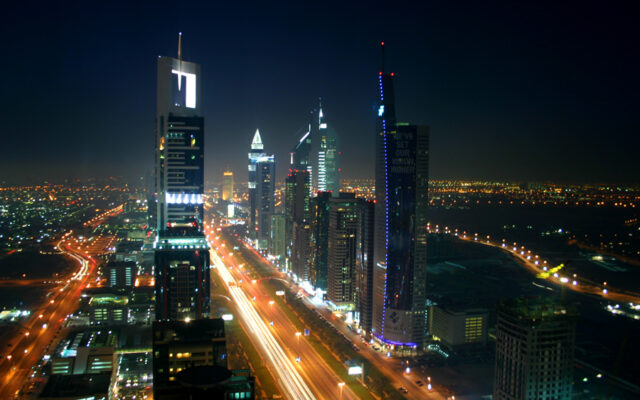
A good way to appreciate this is to view the same building twice, once in daylight and once after dark. Lighting is treated as part of the architecture in Dubai, and many buildings become landmarks again at night. Walking at street level also reveals details you would otherwise miss: shaded walkways, public art and carefully designed entrances.
Design That Has to Work in a Desert Climate
Futuristic design in Dubai is not only about appearance. Buildings here must cope with intense heat, strong sun and a coastal atmosphere, so architects think hard about orientation, glazing and shading. Deep-set windows, external fins and layered facades help reduce glare and keep interiors cooler, while landscaping and water features are often used to soften the space around a building.
Inside, the same thinking continues. Large buildings are planned around natural movement — wide atriums, clear sightlines and flexible halls — so crowds flow easily and spaces can be rearranged. Notice how a venue handles light, temperature and movement; that invisible design work is often the most futuristic part of all.
📸 Follow @dxbtalk1 on Instagram for daily Dubai in photos →
How to Explore Dubai’s Architecture Well
- Start with one district: Downtown, the financial district and the canal-side areas each have a distinct character, so explore them separately rather than rushing everywhere in one day.
- Mix old and new: pairing a modern landmark with a historic neighbourhood on the same day makes the contrast — and the city’s story — much clearer.
- Look for viewing points: bridges, promenades and waterfront walks often give the best angles for photography without crowds.
- Go inside where you can: lobbies, cultural venues and observation areas show how the design works from within, not just from the street.
- Visit at different times: early morning and early evening light show facades at their best and are more comfortable for walking.
Why This Approach Matters for the City’s Future
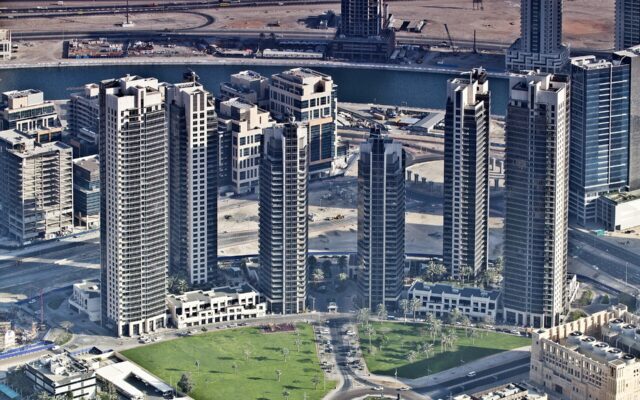
Dubai’s architectural revolution is closely tied to how the city wants to live in the decades ahead: denser, more walkable districts, buildings that use less energy, and public spaces that people genuinely enjoy rather than simply pass through. Newer developments increasingly mix homes, offices, culture and leisure in one place, reducing the need to drive between them.
For residents, the futuristic city is not something you only look at — it shapes daily routines, from a shaded walk to work to an evening performance. For visitors, exploring beyond the headline buildings gives a far richer picture of a city still designing what comes next. Check opening arrangements for individual venues before you go, as programmes typically change through the year.



Join the conversation