

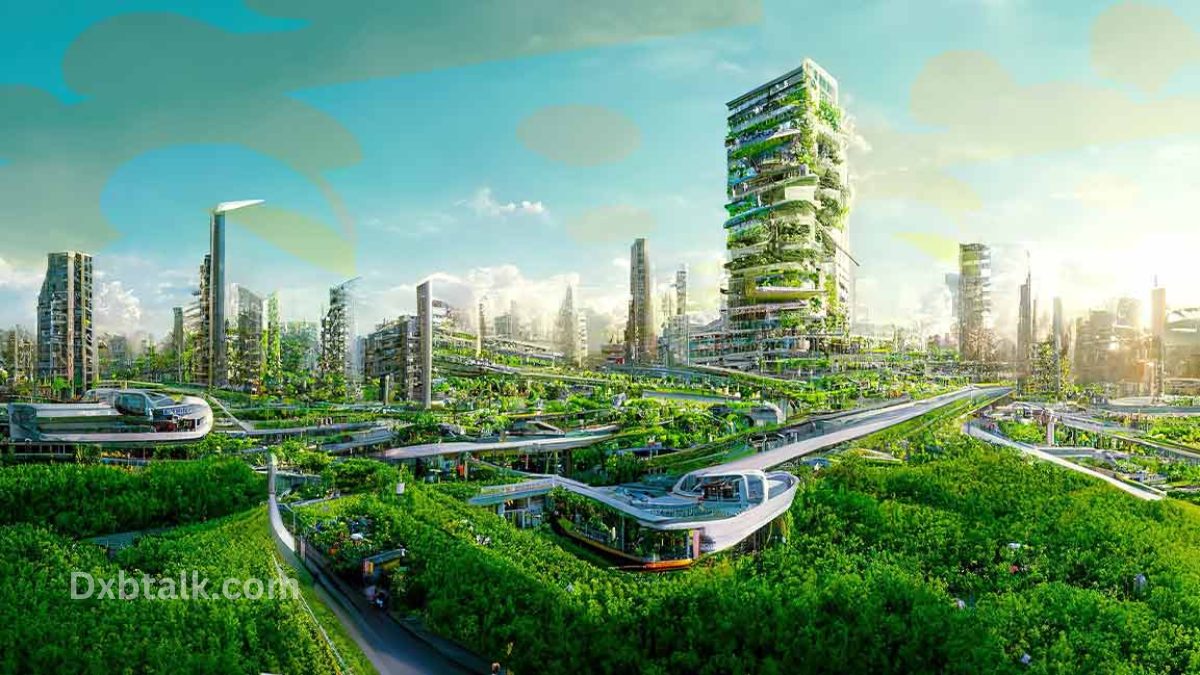
Sustainable Skyscrapers: Green Architecture in Dubai
Dubai, a city synonymous with luxury and innovation, is now taking significant strides in sustainable architecture. From eco-friendly materials to energy-efficient technologies, Dubai’s skyscrapers are redefining green living.
Burj Khalifa: Setting the Standard
While the Burj Khalifa is known for its height, it also incorporates numerous sustainability features. Its double-glazed windows reduce heat transfer, while its water collection system recycles condensed water for irrigation. Additionally, the building’s energy-efficient cooling systems optimize resource consumption.
Masdar City Collaboration
Projects in collaboration with Masdar City aim to integrate renewable energy sources, reduce carbon footprints, and promote sustainable urban living. Buildings like the Sustainable City Pavilion showcase Dubai’s commitment to eco-friendly development.
Green Building Standards
Dubai enforces strict green building regulations, ensuring new developments adhere to energy efficiency, water conservation, and waste management standards. Initiatives like DEWA’s solar power integration highlight the city’s transition toward renewable energy.
Conclusion
Dubai’s commitment to sustainable skyscrapers is transforming the city into a model for eco-conscious urbanization. Its innovative approach combines luxury with responsibility, setting a global benchmark.
Hashtags: #SustainableSkyscrapers, #GreenArchitecture, #DubaiInnovation, #EcoFriendlyDesign
Why Sustainability Is Hard in a Hot Climate
Building green in Dubai means solving problems that cooler cities barely face. Cooling a tall glass tower under intense sun, supplying water in a desert environment, and moving thousands of people vertically every day all consume energy. That is why the most effective sustainable design here starts long before gadgets are added: with the shape and orientation of the building, shading, insulation and glazing that limit heat gain, and systems that recover and reuse water and energy wherever possible.
Understanding this context makes Dubai’s progress more impressive. A feature that sounds modest — recycling condensation for irrigation, for example — can save significant amounts of water when it runs across a very large building for a full year.
Design Tricks Behind Greener Towers
Architects working in the Gulf now use a familiar toolkit, adapted to local conditions:
- High-performance facades: Double or triple glazing, external shading and lighter finishes that reflect heat rather than absorbing it.
- Smart cooling: Efficient chillers, district cooling connections where available, and controls that cool spaces when they are actually occupied.
- Water recycling: Condensate capture, treated wastewater for landscaping, and low-flow fittings throughout.
- Solar generation: Rooftop and facade panels, plus solar water heating, feeding into a building’s overall demand.
- Better materials: Locally sourced or recycled content where practical, reducing the energy spent transporting heavy materials.
None of these features works alone. The real gains come when they are designed together and then managed well by the building’s operators for years after opening.
📸 Follow @dxbtalk1 on Instagram for daily Dubai in photos →
How Rules and Ratings Shape New Buildings
Dubai’s green building framework has steadily raised the baseline for new construction, covering areas such as energy performance, water use, indoor air quality and waste handling during and after construction. Alongside local requirements, many developers also pursue international rating systems, which independently assess a building from design through to operation.
For residents and tenants, the practical effect is gradual but real: newer towers typically offer better insulated homes, more consistent cooling, healthier indoor air and, in many cases, lower running costs than older buildings of similar size. If you are choosing an apartment or office, it is reasonable to ask the landlord or developer what efficiency features the building has and whether it holds any recognised green certification — and to check the current details, as standards continue to evolve.
What Still Needs to Improve
The honest challenge is the existing building stock. Retrofitting older towers — upgrading chillers, adding insulation, fitting smarter controls — usually delivers bigger overall savings than celebrating a single showcase project, and Dubai has retrofit programmes working through that task. Construction itself also carries a footprint in materials and transport, which the industry is only beginning to address seriously.
Even so, the direction of travel is clear. Each new generation of Dubai skyscrapers is expected to do more with less energy and water than the last, and visitors can see that shift in everything from shaded, planted podium levels to towers designed around natural light. Sustainability here is no longer a side story to the skyline; it is becoming part of how the skyline is judged.



Join the conversation