

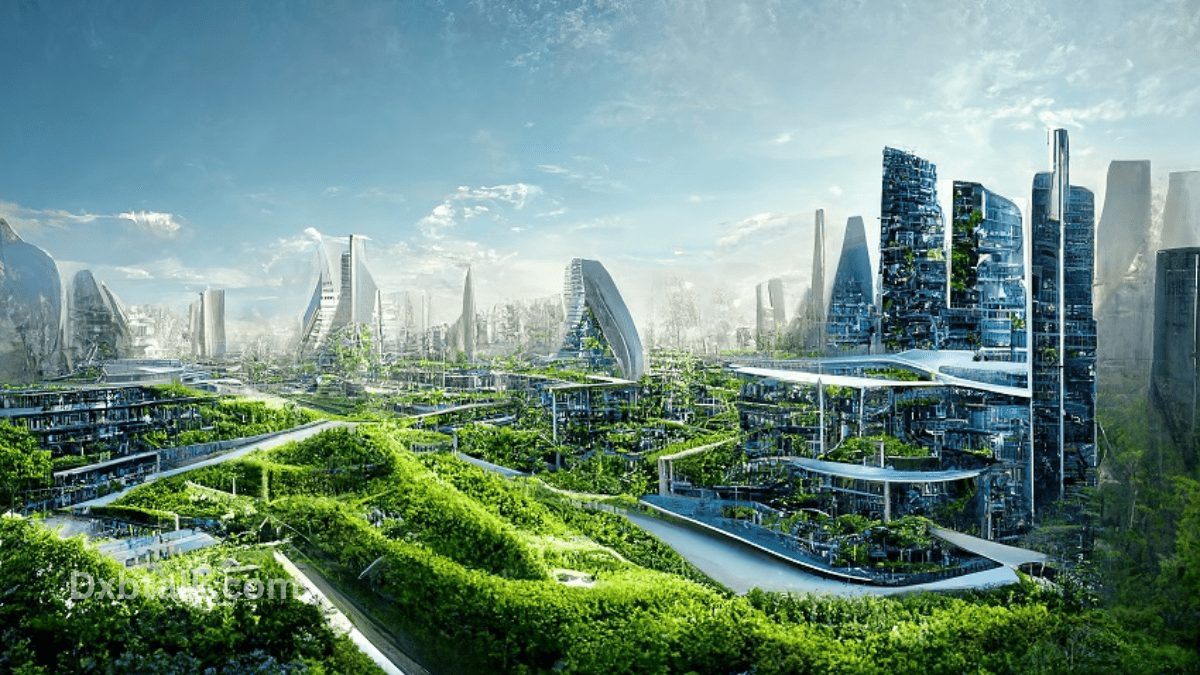
Sustainability in Architecture: Dubai’s Green Revolution
Dubai is leading the charge in sustainable architecture, creating eco-friendly developments that balance luxury and environmental responsibility. From solar-powered communities to water conservation technologies, Dubai is setting new standards for sustainable urban living.
The Sustainable City
Located in Dubailand, The Sustainable City is a self-sufficient community powered by solar energy. It features car-free zones, greenhouses, and water recycling systems, making it a model for future urban planning.
Eco-Friendly Skyscrapers
Many of Dubai’s iconic buildings, such as the Burj Khalifa, incorporate sustainability into their design. Features like energy-efficient cladding, rainwater collection systems, and renewable energy sources highlight Dubai’s commitment to green architecture.
Conclusion
Dubai’s sustainability efforts prove that luxury and eco-consciousness can coexist. The city’s green projects inspire a global movement toward sustainable living.
Hashtags: #SustainableArchitecture, #GreenBuildingsDubai, #EcoFriendlyDesign, #SustainableCity
Designing for the Desert: The Real Challenge
Sustainable architecture in Dubai starts with an honest problem: a hot desert climate where cooling a badly designed building can consume enormous energy for much of the year. Green design here is therefore not mainly about decoration or a few solar panels on the roof. It is about orientation, shade, insulation and glass. A tower that limits direct sun on its windows, shades its outdoor spaces and insulates its walls properly will need far less cooling than an identical-looking building that does not — and that difference runs every day for the life of the building.
Traditional architecture in the region understood this long before the term sustainability existed. Thick walls, shaded courtyards, narrow lanes that channel breezes and wind towers that catch moving air were all practical responses to the same climate. Many contemporary Dubai projects borrow these ideas in modern form, combining them with efficient cooling systems and smart building controls that adjust lighting and air conditioning to actual occupancy rather than running at full power all day.
What to Look for Inside a Greener Building
If you are choosing an apartment, office or villa and want to judge its green credentials sensibly, look beyond the marketing leaflet:
- Cooling and lighting: efficient systems, good insulation and LED lighting throughout make the biggest day-to-day difference to energy bills.
- Water saving: low-flow taps and showers, efficient irrigation and, in larger developments, systems that reuse treated water for landscaping.
- Shade and outdoor comfort: shaded walkways, planted areas and covered parking that make it realistic to walk rather than drive within the community.
- Materials and waste: durable finishes that do not need replacing every few years, and sensible recycling provision for residents.
- Solar where it makes sense: rooftop panels are increasingly common on villas and low-rise communities, where roof space per home is generous.
Ask the developer or landlord what is actually installed rather than what is planned. A building management team that can explain its systems clearly is usually a good sign.
📸 Follow @dxbtalk1 on Instagram for daily Dubai in photos →
Beyond New Buildings: Retrofitting the Existing City
Dubai’s green revolution cannot be only about new projects, because most of the city already exists. A quieter but important trend is retrofitting older buildings — upgrading chillers, replacing lighting, improving insulation and fitting smarter controls in towers and offices built before current standards. Individually these changes are unglamorous; across hundreds of buildings they save substantial energy and extend the useful life of the stock the city already has.
There is also a neighbourhood dimension. Shaded cycling and walking routes, district cooling networks that serve many buildings from efficient central plants, and public transport links all reduce the footprint of a building without changing the building itself. Judging a development’s sustainability fairly means looking at that whole picture, not just its façade.
How Residents Can Take Part
You do not need to be an architect to contribute. Choosing a home with decent insulation and shade, keeping cooling at a sensible temperature rather than the coldest setting, reporting dripping taps and leaks promptly, and using community recycling facilities all add up across a city of millions. Many newer communities also run farmers’ markets, community gardens and car-free events that make lower-impact living enjoyable rather than a sacrifice.
Dubai’s experiment is worth watching precisely because the conditions are demanding. If greener buildings can work comfortably and affordably in a desert summer, the lessons travel well — and residents here get to live in the proof, one shaded street and efficient tower at a time.



Join the conversation