

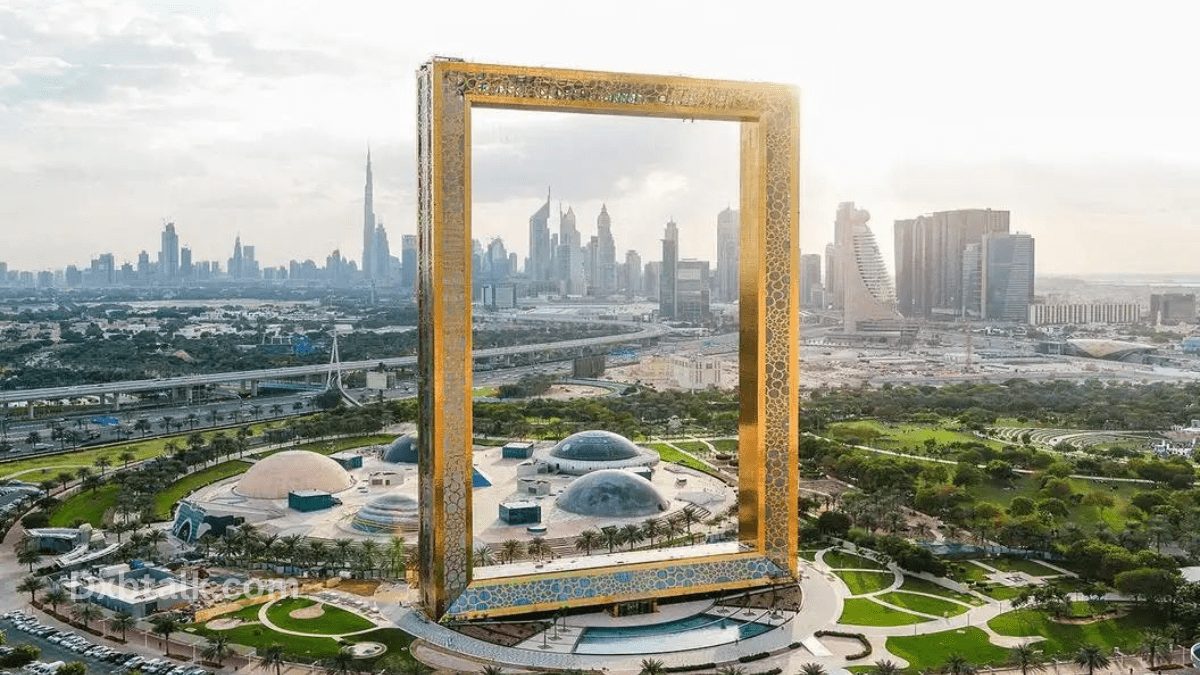
The Role of Technology in Dubai’s Architectural Feats
Technology has revolutionized Dubai’s architecture, enabling the city to achieve engineering feats once thought impossible. From AI-driven designs to 3D-printed structures, Dubai is a global leader in tech-powered construction.
3D Printing: A Construction Revolution
Dubai is home to the world’s first 3D-printed office building, which reduced construction time and materials significantly. This innovation is shaping the future of architecture by promoting efficiency and sustainability.
Smart Buildings in Dubai
Smart buildings equipped with IoT technology optimize energy consumption, enhance security, and improve resident convenience. Projects like Smart Dubai aim to transform the city into the most technologically advanced urban hub.
Conclusion
The integration of technology in Dubai’s architecture sets a precedent for the future. Through innovation, the city is creating a sustainable, efficient, and luxurious urban environment.
Hashtags: #TechInArchitecture, #3DPrintingDubai, #SmartBuildings, #DubaiInnovation
Designing the Building Before Anyone Builds It
Much of the technology behind Dubai’s architecture never appears in a photograph. Before construction begins, architects and engineers now model a tower digitally in fine detail, testing how it will behave in wind, heat and heavy use. This approach, often called building information modelling, lets different teams — structural, mechanical, electrical and façade specialists — work from the same digital model, so clashes between, say, a cooling duct and a steel beam are spotted on screen rather than expensively on site.
Simulation is especially important in Dubai’s climate. Designers can test how sunlight falls across a façade through the year, where heat will build up, and how the shape of a tower channels or calms the wind around its base. The result is that an unusual silhouette and a practical engineering answer are often the same decision.
Cooling, Glass and Materials That Work Harder
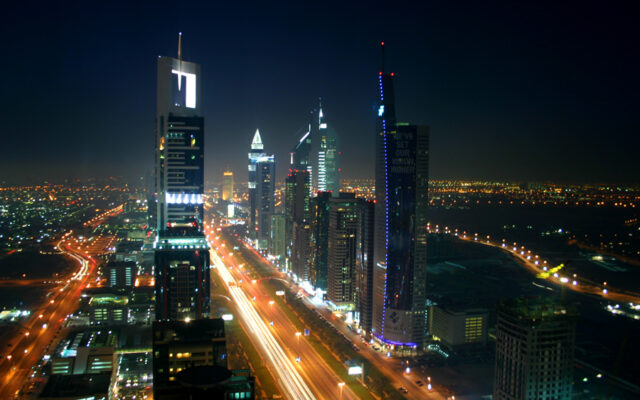
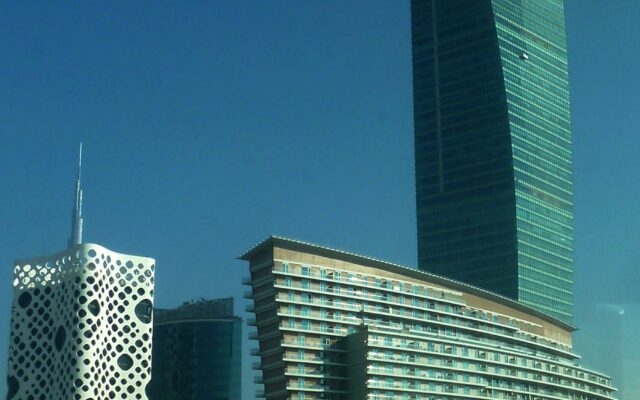
Keeping a glass tower comfortable in a desert summer is one of the hardest problems in Dubai construction, and technology is central to solving it. High-performance glazing typically reflects much of the sun’s heat while still admitting daylight, and external shading, fins and recessed windows reduce the load further. Inside, district cooling and modern chilled-water systems can serve large developments more efficiently than hundreds of separate units, while sensors adjust temperatures floor by floor according to actual use.
Materials have evolved alongside the systems. Stronger concretes and steels allow slimmer structures and larger open spans, which is how museums, stations and malls achieve their sweeping interiors.
📸 Follow @dxbtalk1 on Instagram for daily Dubai in photos →
What 3D Printing and Modular Construction Really Change
The 3D-printed office mentioned above matters less as a novelty than as a proof of concept. Printing layers of material to form walls can reduce the formwork, labour and waste involved in suitable structures, and it works best, for now, on relatively simple, low-rise forms rather than towers. Its real promise in Dubai is for repeatable elements — small buildings, landscape features and components — where speed and consistency count.
Modular thinking extends the same idea. The more of a building that can be assembled from tested, repeatable parts, the fewer surprises there are during construction and maintenance. For a city that has often built at extraordinary speed, that discipline matters: technology here is not only about building faster, but about building in a way that can be repaired, upgraded and understood decades later.
Living and Working Inside a Smart Building
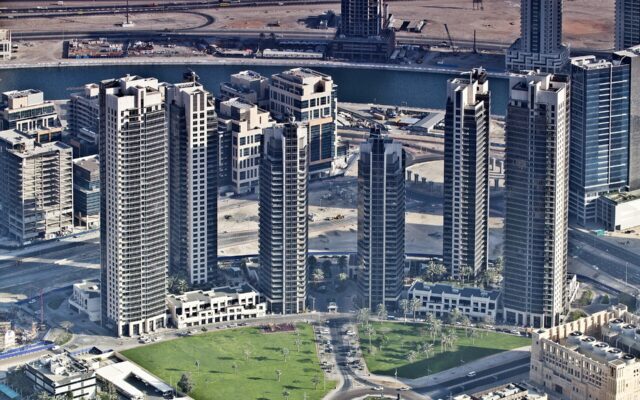
For residents and workers, smart technology is at its best when it disappears. Access by card or phone, lifts that are called to the right floor with minimal waiting, lighting that responds to daylight, and apps for maintenance requests, parking and visitors all reduce small daily frictions. Building systems can also flag a failing pump or an unusual spike in water use before it becomes a flood or a large bill, which is a genuine benefit in towers with hundreds of homes.
There are trade-offs worth understanding. Connected systems collect data, need regular software updates and can frustrate residents when an app replaces a simple switch, so good buildings keep straightforward manual options alongside the clever ones. If you are choosing a home or office in Dubai, ask practical questions: how is cooling controlled in your unit, what does the building app actually do, and how are faults reported and tracked? The answers will tell you more about a building’s technology than any list of gadgets in a brochure.



Join the conversation