

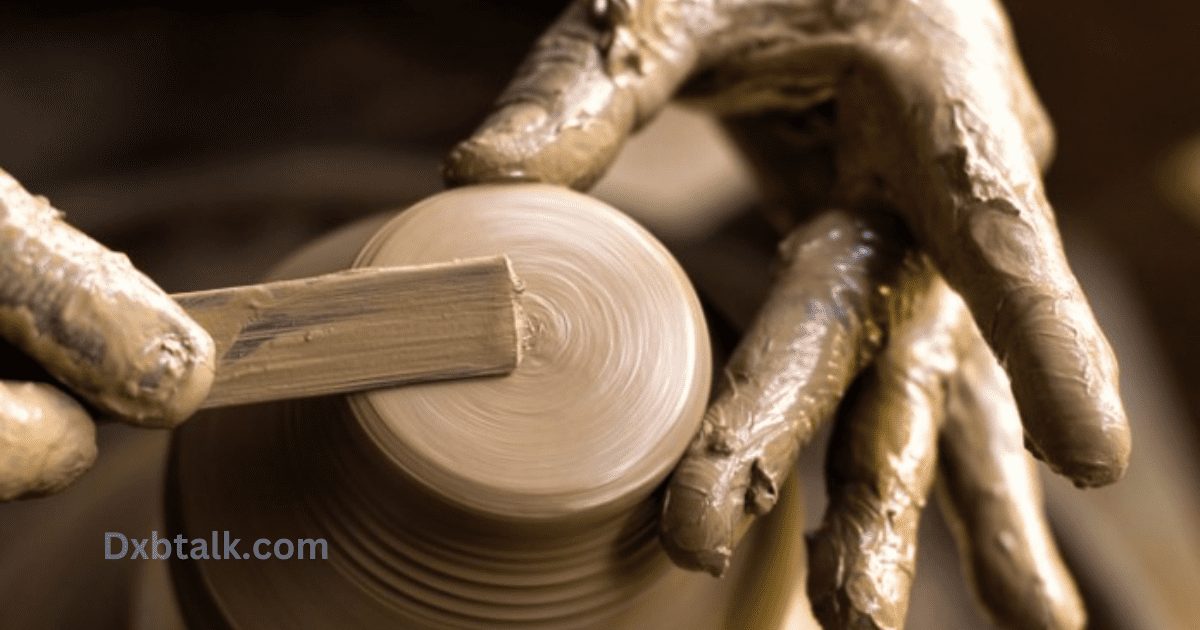
Pottery is one of humanity’s oldest technologies, and in Dubai it is having a distinctly modern life. The city’s potters and ceramic artists work a craft with deep regional roots — clay vessels have served this coast for centuries — through contemporary eyes: minimalist tableware and sculptural pieces, traditional forms and experiments that fuse ceramics with glass, metal and wood. The result is a small, lively scene that serves collectors, interior designers and the simply clay-curious, and keeps an ancient art visibly alive inside a futuristic city.
What Dubai’s Ceramic Artists Actually Make
The range is wider than the word “pottery” suggests. At the functional end sit the pieces of daily beauty: bowls, plates, vases and tiles, glazed and finished to be used, not just admired. At the sculptural end, artists push clay toward pure form — figures, installations and statement pieces that treat the material as a medium for ideas. In between lies the work that makes the scene commercially real: bespoke ceramics commissioned for interiors. Restaurants serve on plates thrown to their specification; homes and offices carry custom pieces made to a room’s dimensions and palette. The themes run the full span of the city’s influences — Middle Eastern tradition in the motifs, minimalism in the forms, nature everywhere — and many artists deliberately cross materials, setting ceramic against glass or metal in a way that mirrors Dubai’s own habit of fusion.
Where the Scene Shows Itself
Ceramics surface wherever Dubai gathers its makers. Major art events and fairs include ceramic work among their exhibitions, giving emerging and established artists a serious stage, while local craft markets carry the scene’s accessible end — the stall where you can handle a piece, meet its maker and hear how it was fired. Galleries and interior showrooms complete the circuit for the collecting side. For a newcomer, the craft markets are the friendliest entry point: prices are human, artists are present, and the difference between a thrown piece and a moulded souvenir becomes obvious the moment you pick both up.
📸 Follow @dxbtalk1 on Instagram for daily Dubai in photos →
Learning the Craft Yourself
The scene’s other door is the workshop. Dubai’s pottery studios run classes and courses for complete beginners through to practising artists, covering the full grammar of the craft: wheel-throwing, hand-building, glazing and firing. The pedagogical order matters more than it sounds — clay punishes impatience systematically, and a good studio teaches you to centre before it lets you dream. Workshops also function as the scene’s social engine; the person glazing beside you may be the artist whose exhibition you see next season. If you have ever suspected your hands wanted a slower, more material hobby than a screen offers, a single taster session will confirm or cure it.
Buying a Piece Without Embarrassing Yourself
For the newcomer at a market stall or studio shelf, a few judgements separate a handmade piece from a factory imitation. Weight is the first witness: a thrown vessel has a satisfying, slightly variable heft that moulded uniformity rarely fakes. Turn the piece over — the base carries the maker’s evidence: trimming marks, a signature or stamp, the honest ring where it met the shelf. Glaze should look alive rather than printed, with the small variations that firing guarantees; perfect industrial sameness across a dozen “handmade” pieces is the tell that they are not. Then ask the maker or seller the simple questions — what clay, what firing, is it food-safe, can it take the dishwasher’s enthusiasm — because real makers answer them with pleasure, and their answers are half the value you are buying. A piece of Dubai pottery carries its origin in its base and its story in its answers. Both are worth collecting.
Why It Matters Beyond the Objects
There is a reason ceramics resonate in a city like this. Dubai builds at digital speed, in glass and rendering; pottery is its opposite number — earth, water, fire, time, and a maker’s fingerprints fired permanently into the result. The potters and ceramic artists working here contribute more than product: they keep a tactile, centuries-old knowledge in circulation inside the modern city, and they give its homes and tables objects with a human origin story. Whether you come as a collector, a student or a browser at a market stall, clay in Dubai rewards the attention. Pick a piece up. It will tell you, by weight alone, that it was made by someone.




Join the conversation