

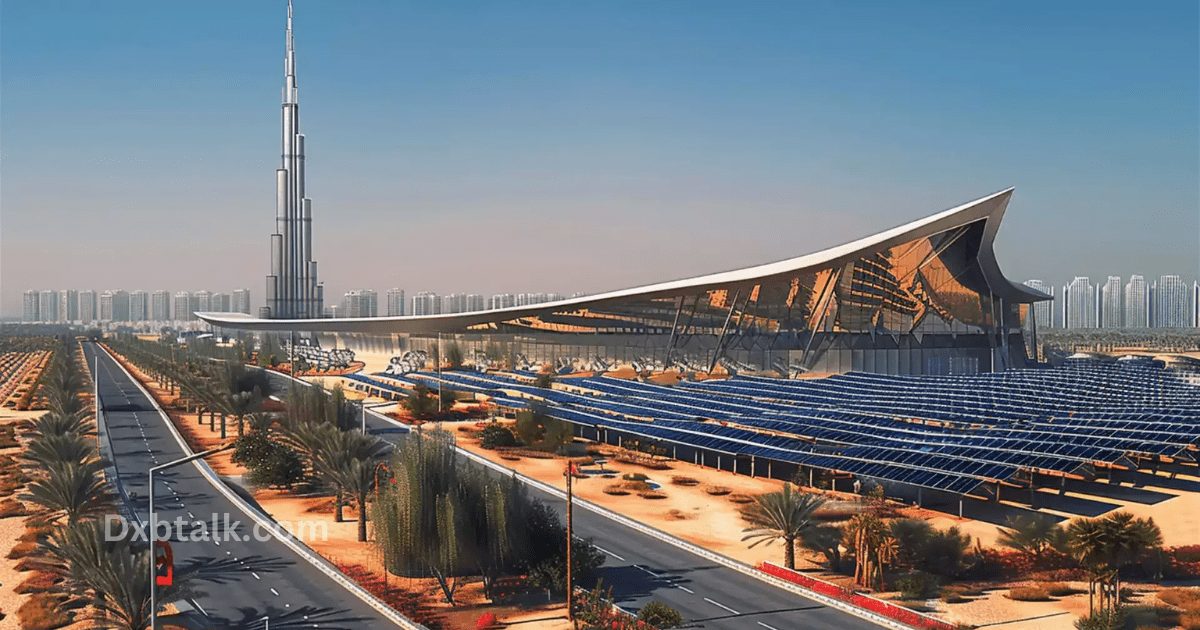
Introduction
As part of Dubai’s push for sustainability, Downtown Dubai has implemented various eco-friendly initiatives aimed at reducing its carbon footprint. From green buildings to smart waste management systems, the district is leading by example in sustainable urban development.
Key Sustainability Initiatives
- Green Buildings: Many of Downtown Dubai’s iconic structures, including the Burj Khalifa, are designed with energy efficiency in mind.
- Smart Waste Management: The district uses advanced systems to minimize waste and promote recycling.
- Electric Transport: Electric vehicles, including the Dubai Trolley, contribute to reducing emissions in the area.
Conclusion
Downtown Dubai is a shining example of how urban development can balance luxury and sustainability, making it one of the most forward-thinking districts in the region.
Tags:
#SustainableDubai #GreenBuildingDubai #EcoFriendlyDubai #CarbonFootprintDubai #SustainabilityInitiatives #SmartWasteManagement #ElectricTransportDubai #DowntownDubaiSustainability #GreenEnergyDubai #EcoTourismDubai #SustainableUrbanDevelopment #DubaiEcoProjects #SustainabilityDubai #EnvironmentFriendlyDubai
How the Buildings Themselves Save Energy
In a district of super-tall towers, the biggest carbon savings come from the least glamorous choices: how a building is cooled, lit and controlled. Downtown Dubai sits in a climate where air conditioning can dominate energy use for much of the year, so efficient cooling systems, well-sealed façades and shading that reduces direct sun on glass all matter far more than any single headline feature. Many newer buildings in the district use centralised systems and building-management technology that adjusts cooling and lighting according to occupancy, rather than running every floor at full power all day.
Lighting is another quiet win. Public areas, car parks and promenades have widely moved towards LED fittings, which typically use less electricity and last longer than older lamps.
Getting Around Downtown With Fewer Emissions
Downtown is one of the easiest parts of Dubai to explore without a car, and that walkability is itself a sustainability measure. The Burj Khalifa and Dubai Mall area is served by the Dubai Metro Red Line, with air-conditioned walkways linking the station to the mall, while buses and taxis fill the gaps. Once you are in the district, much of it — the Boulevard, the lake promenade, Souk Al Bahar and the Opera District — is best covered on foot.
Short, shaded walking routes encourage people to leave the car behind for the final part of a journey, and cycling and e-scooter provision in surrounding areas has made short hops more practical, where permitted. The electric Dubai Trolley mentioned above fits this same pattern: low-emission transport for short, high-footfall journeys rather than long commutes. If you are visiting, combining the Metro with walking will usually be quicker than driving and parking at peak times, as well as lower in emissions.
📸 Follow @dxbtalk1 on Instagram for daily Dubai in photos →
Waste, Water and Greenery in a Very Dense District
Smart waste management in Downtown is largely about separation and timing. Separate bins for recyclables and general waste in malls, promenades and residential buildings only work if collection and sorting behind the scenes keep those streams apart, and large venues can reduce landfill by separating food waste, cardboard and packaging generated by restaurants and shops. As a visitor, the most helpful thing you can do is use the recycling points provided rather than treating every bin as the same.
Water needs equal care. The Dubai Fountain and the surrounding lake are the district’s visual centrepiece, but landscaping, cleaning and cooling all have to be managed carefully in a desert city. Drought-tolerant planting, efficient irrigation that waters at cooler times of day, and regular maintenance to fix leaks are typical measures in well-managed districts.
What to Notice on Your Next Visit
Sustainability in Downtown Dubai is easiest to appreciate at street level. Look for shaded walkways that make a midday stroll bearable, refill points and recycling bins in public areas, and buildings whose lobbies feel cool without being icy — a sign that cooling is being managed rather than simply maximised.
Residents can have the largest impact over time: using the Metro for regular journeys, setting home cooling to a sensible temperature, and separating household recycling all add up across thousands of apartments. None of this makes a luxury district carbon neutral, and Downtown still has the footprint of a dense, air-conditioned, visitor-heavy area. Its value as an example lies in showing how efficiency, public transport and careful waste and water management can be built into a place that was designed first for scale and spectacle.






Join the conversation