

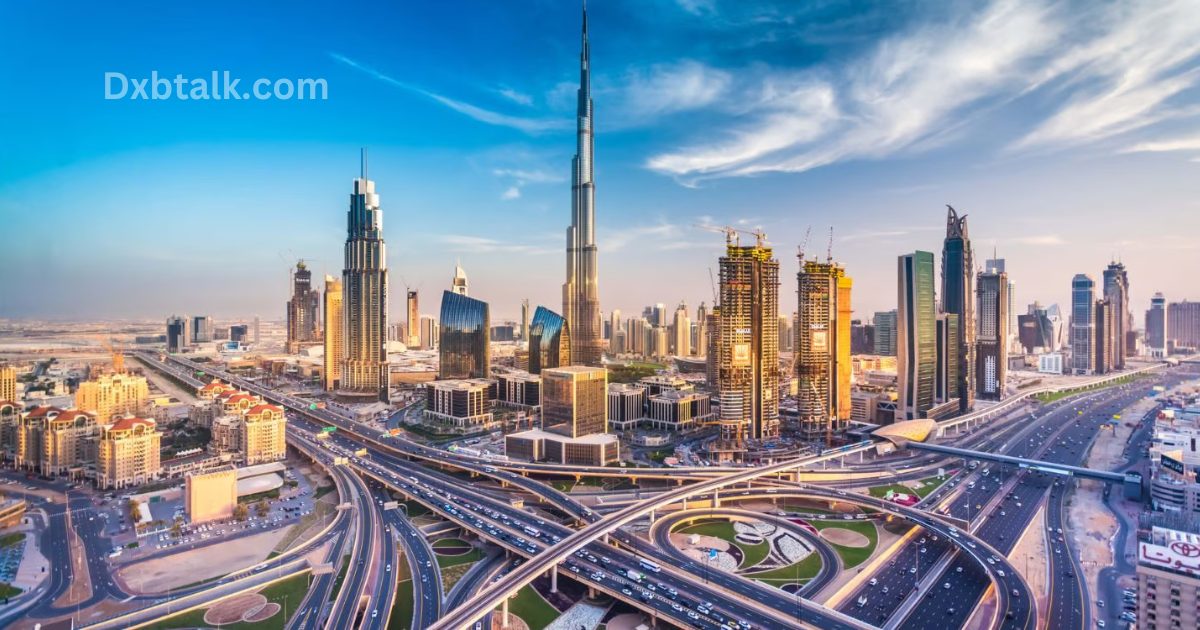
Exploring the Architectural Wonders of Downtown Dubai
Introduction
Downtown Dubai is a playground for architecture enthusiasts, offering a mix of futuristic skyscrapers and modern urban design. From the iconic Burj Khalifa to the elegant Dubai Opera, this district is a testament to the city’s visionary spirit.
Key Architectural Landmarks
- Burj Khalifa: The world’s tallest building, an engineering marvel.
- Dubai Opera: A stunning cultural landmark inspired by the shape of a traditional dhow.
- The Address Boulevard: A luxury hotel with a sleek and modern design, offering breathtaking views of the Burj Khalifa.
Conclusion
For those who appreciate cutting-edge design, Downtown Dubai is a must-visit. Each building tells a story of Dubai’s rapid rise to global prominence.
Tags:
#DowntownDubai #ArchitectureDubai #BurjKhalifa #DubaiOpera #IconicBuildings #SkylineViews #FuturisticDesign #UrbanPlanning #DubaiSkyscrapers #LuxuryLiving #EngineeringMarvels #ExploreDubai #ModernArchitecture #Emaar #DubaiCulture #TravelDubai #ArchitecturalWonders #DesignInspiration
How to Read Downtown’s Skyline
Downtown Dubai rewards visitors who look at it as a planned composition rather than a random cluster of towers. The district was designed around a single dominant landmark, and almost everything else is arranged in conversation with it: the curving Boulevard below, the lake and fountain at its foot, the low, traditionally styled buildings of Old Town and Souk Al Bahar providing a deliberate contrast in scale, and a ring of residential and hotel towers stepping back around the centre.
That contrast is the district’s real architectural idea. Dubai is often described as purely futuristic, but Downtown mixes its superlatives with references to the region’s own building traditions: arches, courtyards, wind-tower-inspired details and sandy tones in the low-rise areas, set against glass and steel a few streets away. Whether you love the mixture or find it theatrical, it is intentional, and noticing it makes a wander through the district far more interesting.
Beyond the Headliners: Details Worth Hunting For
Once you have admired the famous names, slow down and look for the smaller design stories. The Dubai Opera sits in a district of gardens and plazas designed for evening promenading, and its dhow-inspired form reads differently from every side — most ship-like from across the water, most sculptural from the plaza. Along Mohammed Bin Rashid Boulevard, wide pavements, tree planting and carefully framed views back to the Burj Khalifa turn a simple loop walk into a rolling exhibition of facades, from sleek hotel fronts to patterned residential towers.
- The lake and bridges — the fountain lake, its promenades and the Souk Al Bahar bridge are designed as viewing architecture in their own right
- Old Town’s low-rise streets — courtyards, alleyways and traditional detailing at a gentle, walkable scale
- Public art and water features — sculptures and installations placed around the Boulevard and lake to be discovered on foot
📸 Follow @dxbtalk1 on Instagram for daily Dubai in photos →
The Best Way to Explore: A Walking Route
The district is one of the most walkable in Dubai in the cooler months, and a gentle loop shows it at its best. Start around the fountain lake in the late afternoon, cross to Souk Al Bahar for its older-style architecture and bridge views, then follow the Boulevard as the light begins to change, detouring through the Opera district and Old Town before returning to the lake after dark, when the buildings become a second, illuminated skyline reflected in the water.
Timing matters as much as route. Early morning gives you clean light, quiet pavements and the clearest sense of the buildings’ forms. The hour around sunset is the showpiece, as glass facades catch the changing colours and the tower’s lights come on.
Photographing and Appreciating It Properly
For photographs, the classic mistake is standing too close. The Burj Khalifa is so tall that its most satisfying portraits are taken from a distance: across the lake, from Burj Park, or along the Boulevard, where other buildings give it scale. Details reward the opposite approach — get close to stonework, screens, arches and reflections in the lake and in glass facades. Reflections at dusk, when the sky is deep blue and the windows are lit, are often more striking than the straightforward postcard shot.
Above all, give the district time. Downtown was built quickly, but it does not have to be experienced quickly. A coffee on the Boulevard, an unhurried circuit of the lake and a few minutes simply looking up will teach you more about how Dubai imagines itself than any single observation deck — this is a city that builds its ambitions, and Downtown is where those ambitions stand closest together.






Join the conversation