

Dubai is a city of contrasts, where futuristic skylines meet a rich trading heritage — and among its many attractions, the antique shops stand out as hidden gems for those seeking a glimpse into the past. The antique scene here is unlike London’s or Bangkok’s, because Dubai was a crossroads: goods flowed through this port from Persia, India, East Africa and Europe for centuries, and they have a way of still being here. This is a discovery guide — where the treasures hide, and how to hunt them.
Why Dubai’s Antique Scene Is Unique
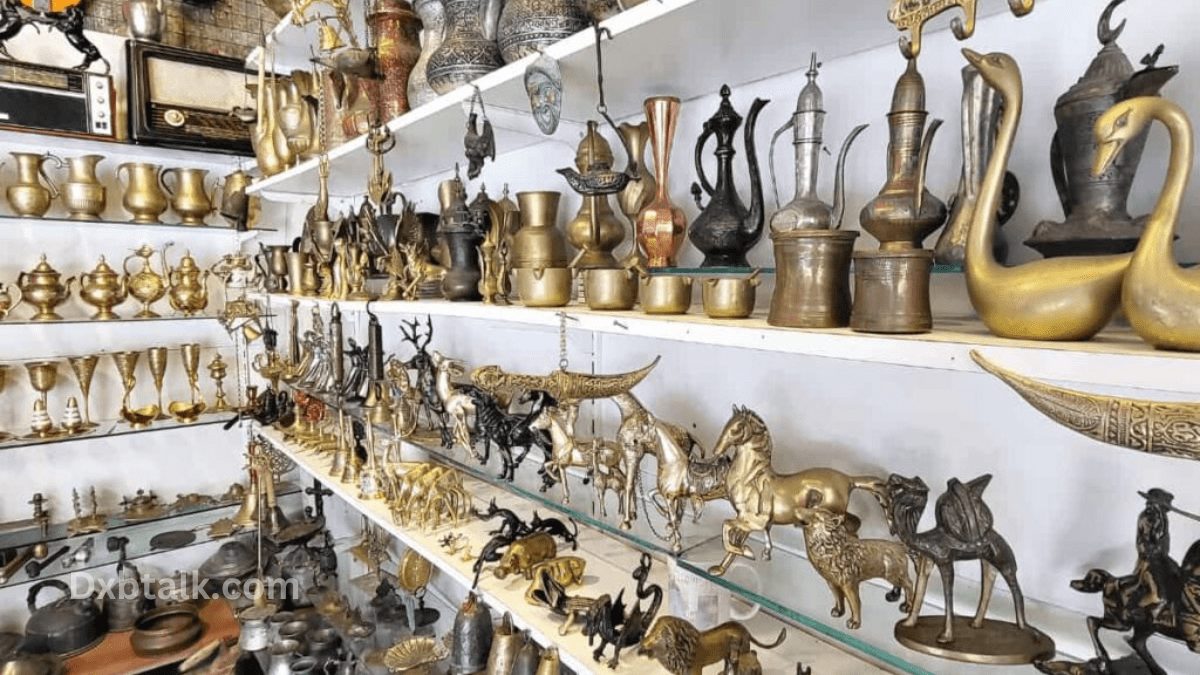
The city’s location at the meeting point of trade routes enriched its antique market with a mix no single culture could produce. You will find intricately carved wooden chests from the Gulf and Zanzibar trades, brass coffee pots and khanjars, antique jewellery in the Gulf gold tradition, Persian rugs, Indian furniture, European vintage — a blend of history, art and craftsmanship that reflects the port’s whole biography. The other uniqueness is freshness of supply: this is a living market fed by estate sales, departing expatriates, old family houses and the region’s continuous trade, not a picked-over tourist circuit. Pieces surface here that would be museum-shop stock elsewhere, priced by sellers who deal in turnover rather than mythology.
Where the Treasures Hide
Start in the Al Fahidi Historical Neighbourhood, where antique stores nestle inside restored wind-tower houses along the Creek-side lanes: brass lanterns, handcrafted rugs, old maps and photographs, the small portable wealth of the pearl-era city. Cross to Al Quoz for the scene’s warehouse end — the Dubai Antique Museum, despite its name a vast shop rather than a museum, houses an impressive collection of artefacts, antique furniture and handcrafted items from across the region, stacked in rooms you explore like an excavation. Then work the flea markets and souks: Dubai’s flea markets rotate through parks and community spaces with antique and vintage vendors among the stalls, and the traditional markets — Karama’s among them — hold dealers whose antique corners reward the browser who asks. Each venue has its own economics: Fahidi prices the setting, the warehouse prices the volume, the flea market prices the early arrival.
📸 Follow @dxbtalk1 on Instagram for daily Dubai in photos →
The Pieces That Define the Hunt
Certain categories have become the scene’s signatures. The Gulf dowry chest — studded, brass-bound, fragrant with camphor — is the emblematic find, present in every serious shop in grades from decorative to museum-worthy. Brass dallah coffee pots and serving sets carry the hospitality culture of the region in metal. Old photographs and maps of the Creek chart the city’s transformation and are increasingly collected. Vintage watches and pens surface through the expatriate current, and mid-century furniture — teak, brass, glass — has become the young collector’s entry drug. Knowing your signature categories before you walk in converts browsing into hunting; the shops respond to a focused buyer with their focused stock, including the pieces kept, as every dealer keeps them, out of casual sight.
Hunting Well: What to Look For
Three checks separate the treasure from the souvenir. Authenticity: ask for whatever documentation or credible history exists — provenance, materials, age indicators — and be pleasantly sceptical of stories that arrive too perfectly formed. Craftsmanship: examine the quality of materials and the attention to detail; hand-work shows in the backs, undersides and joins that reproductions finish carelessly. Cultural value: the pieces that reflect Emirati and regional heritage — the chest, the dallah, the woven and carved work — carry meaning beyond their price and make the strongest souvenirs and conversation pieces at home. Bargain wisely, because negotiation is part of the experience in souks and smaller shops; do your research on the categories you love before you visit; and inspect carefully for damage or signs of restoration, which affect value without necessarily diminishing beauty. Antiques here are not just collectibles — a vintage rug warms a minimalist room, an antique brass lamp becomes its focal point — and Dubai’s hidden shops remain gateways to history, promising every hunter the two things the mall cannot sell: discovery, and a story that is actually old.




Join the conversation