

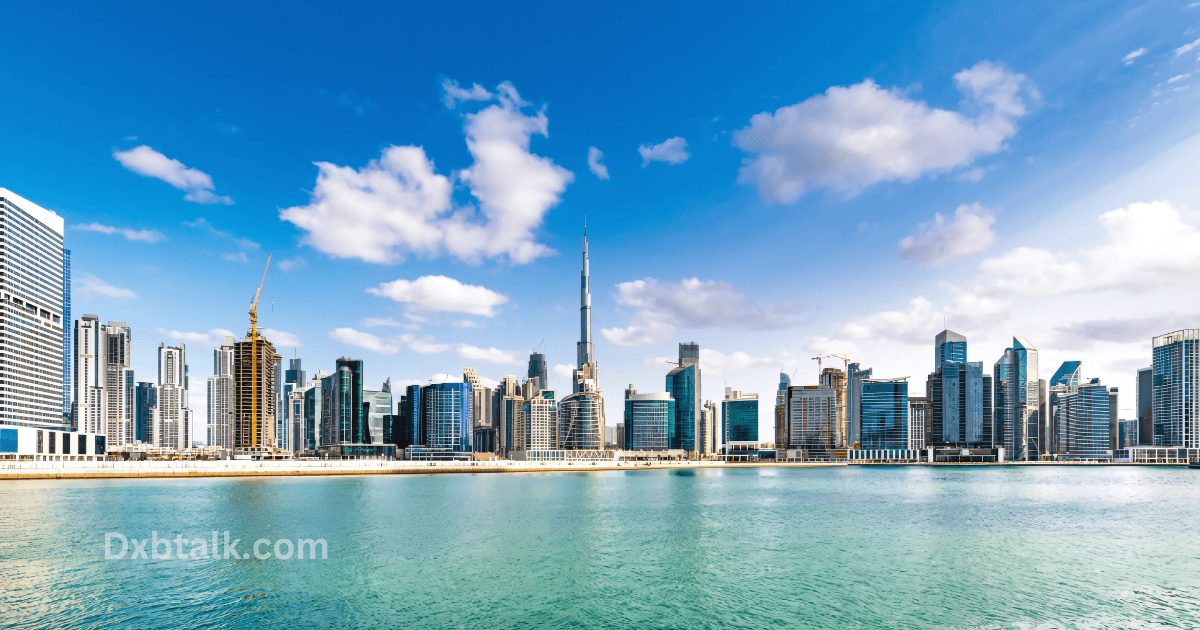
Stand at the edge of Satwa roundabout and look one way: the towers of Sheikh Zayed Road, the Museum of the Future riding above them, Dubai at full gloss. Look the other way: two-storey streets of fabric shops and cafeterias, laundry strung between balconies, a mosque’s minaret, a tailor’s window of suit dummies, the smell of grilling meat and strong tea. Satwa is where the two Dubais touch — a working, multicultural neighbourhood minutes from the postcard, running on tailoring, trade and some of the city’s best cheap food. Residents call it Little Manila and Little Karachi, sometimes in the same sentence. It is the most honest square mile in the emirate, and it rewards exploring at walking pace.
A District Built by Its Communities
Satwa’s character was made by the people who settled it: Filipino, Indian, Pakistani, Bangladeshi and Arab families and workers who built lives in its low-rise blocks when this was the edge of town. The communities are not decoration on the district; they are its operating system. Their languages carry its conversations, their shops stock its shelves, their places of worship anchor its corners, and their remittance, tailoring and trading businesses fill its ground floors. What visitors feel as vibrancy is, from inside, simply a neighbourhood where several worlds run their daily lives in adjoining streets — and where the boundaries between those worlds are crossed constantly, over counters and café tables, in the ordinary commerce of people feeding and clothing each other.
The Trades: Fabric, Tailors, Gold and Everything
Satwa’s economy is famously tactile. The fabric shops sell cloth by the metre in everything from everyday cottons to bridal silks heavy with work, and the tailors a few doors down turn it into garments — the district operates as one distributed bespoke factory, and half of Dubai, including people who shop nowhere else below a mall, quietly has its clothes made here. Around that core: gold and jewellery shops serving the communities’ savings and weddings; electronics and phone shops; discount stores of heroic variety; barbers, bakeries, sweet shops, money exchanges, and grocery stores stocked shelf by shelf for the cuisines of home — Filipino, South Asian, African, Arabic. Prices run at neighbourhood levels throughout, bargaining lives in the market-style shops, and the quality inspection is done the old way: by hand, in the light, talking to the person who will answer for it.
📸 Follow @dxbtalk1 on Instagram for daily Dubai in photos →
Eating in Satwa
The food is the district’s embassy. Satwa’s cafeterias and small restaurants serve the cooking of its communities at prices that recall an earlier Dubai: shawarma and grills at institutions like Al Mallah on the Diyafah strip, Pakistani and Indian canteens, Filipino grill houses and bakeries, Yemeni mandi, fresh juice stands doing a brisk trade in everything the tropics grow. The pattern to follow is the residents’: a juice here, a plate there, karak at the counter while the evening decides itself. Nothing in Satwa requires a reservation, a dress code or a plan, which is precisely its luxury — this is eating as the city itself eats when it is off duty, and visitors who join in are not slumming. They are, for an hour, locals.
How to Explore It Well
Satwa is a walking district in a driving city, and it asks to be taken slowly. Come in the late afternoon, start around the roundabout and the Diyafah food strip, and let the side streets pull you: the fabric rows, the tailor streets, the little shopping lanes behind. Carry small cash, dress modestly as you would in any lived-in neighbourhood, and remember that this is people’s home turf rather than a heritage set — the camera should ask before it takes, and the bargaining should keep its good humour. End the evening the Satwa way, at a cafeteria table on the pavement, watching the district run its night shift of dinners, errands and visits. The towers will be lit by then, close enough to touch, in a city this neighbourhood has been feeding, clothing and quietly holding together for fifty years. Some visitors call that a hidden gem. The people of Satwa just call it home.





