Expo City Dubai: The Legacy of Architectural Innovation
Expo 2020 Dubai left behind more than memories; it established Expo City Dubai, a hub of innovation, sustainability, and architectural brilliance. This district now serves as a model for future urban developments.
Architectural Highlights of Expo City
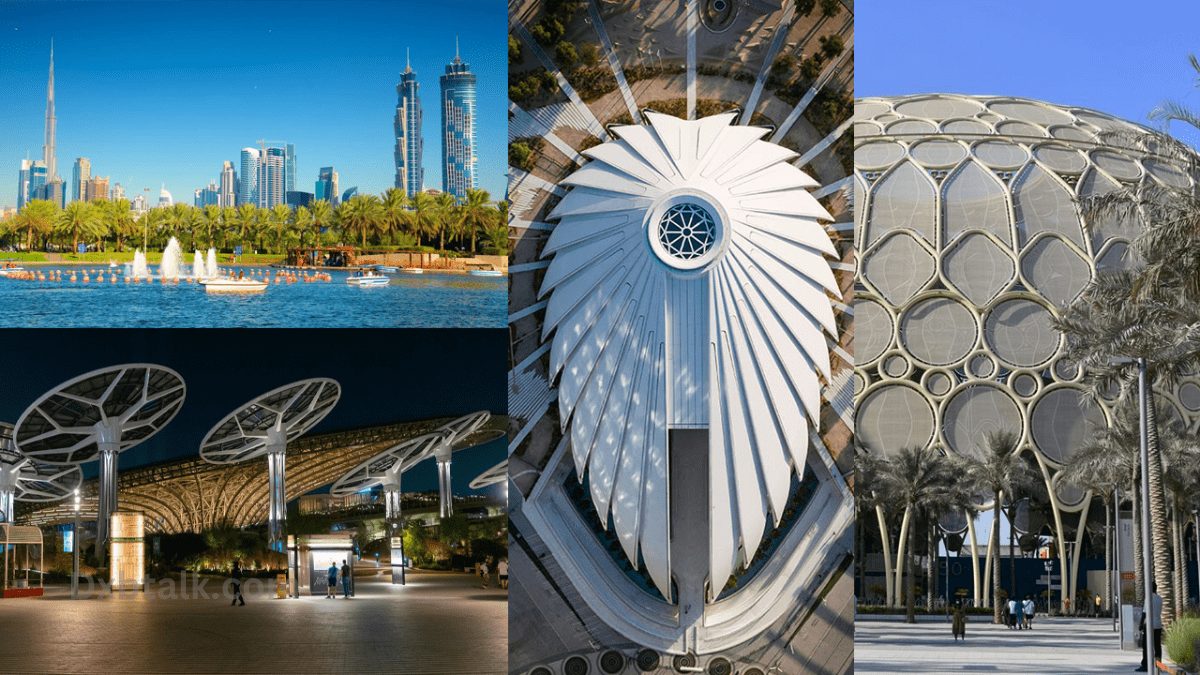
Expo City boasts stunning pavilions, each designed to reflect the themes of sustainability, mobility, and opportunity. Iconic structures like Al Wasl Plaza, with its 360-degree projection dome, and the Terra Pavilion, a sustainability marvel, have become permanent fixtures that draw visitors from around the globe.
Sustainable Design
The Terra Pavilion incorporates advanced technologies such as solar panels and water recycling systems. Its design demonstrates how buildings can operate with minimal environmental impact, offering a blueprint for future developments.
Global Influence
Expo City continues to host events, conferences, and exhibitions, making it a focal point for global innovation. Its architecture inspires new ideas, blending creativity with functionality.
Conclusion
Expo City Dubai stands as a testament to the power of architectural innovation. It not only preserves the legacy of Expo 2020 but also sets a standard for sustainable urban development worldwide.
Hashtags: #ExpoCityDubai, #SustainableDesign, #InnovativeArchitecture, #Expo2020Legacy
Visiting Expo City Today: What to Expect
Expo City Dubai occupies the former Expo 2020 site in Dubai South, and a visit today feels different from the world fair itself. The crowds and national pavilion queues have gone, replaced by a calmer, more open district where the landmark structures can be appreciated at leisure. Al Wasl Plaza remains the natural centrepiece and meeting point, its vast dome still used for projections and events, and the surrounding districts are organised to be walkable, with shaded routes, water features and plenty of places to pause. Allow yourself more time than you think: the site is large, distances between pavilions are greater than they appear on a map, and the architecture rewards slow looking.
Some of the best-known pavilions have been retained and repurposed as attractions, exhibitions and workplaces, while parts of the district are now home to residents, offices and community facilities. What is open to visitors changes as the district evolves, so check the current visitor information, opening arrangements and ticketing before you travel rather than relying on memories of Expo 2020 or older guides.
Design Ideas Worth Looking For
Beyond the headline buildings, Expo City is a useful place to notice how climate shapes design in Dubai. Look for deep shading, screens and canopies that keep walkways usable, landscaping that uses planting to cool outdoor spaces, and buildings oriented to reduce heat gain while bringing in natural light. The Terra sustainability pavilion is the clearest example, but the same thinking appears in smaller details across the site, from the materials underfoot to the way plazas are sheltered from the midday sun.
- Al Wasl Plaza: Visit by day to appreciate the scale of the dome’s structure, then return after dark if an evening projection or event is scheduled.
- Thematic pavilions: The retained sustainability, mobility and opportunity pavilions show three quite different architectural responses to their themes.
- Public realm: Notice how water, shade and planting are used together to make a large, open site comfortable on foot.
📸 Follow @dxbtalk1 on Instagram for daily Dubai in photos →
Getting There and Planning Your Visit
The district has its own station on the Dubai Metro Red Line, which makes it straightforward to reach from central Dubai without driving, and there is also road access and parking for those coming by car or taxi. Journey times are longer than for central attractions, so treat Expo City as a half-day or full-day outing rather than an add-on. In the cooler months, mornings and late afternoons are the most pleasant times to explore outdoors; in summer, plan around indoor exhibitions and visit the outdoor spaces early or in the evening. Comfortable shoes, sun protection and water are essential at any time of year.
Why the Legacy Matters for Dubai
Expo City’s wider significance is that a temporary mega-event site was planned from the start for a second life. Instead of being dismantled, its infrastructure, public spaces and landmark buildings now support a permanent mixed-use district — a model of reuse that planners elsewhere study closely. For residents, it also adds a different kind of destination to the city: part cultural attraction, part business hub and part neighbourhood. Whether you come for an exhibition, a conference or simply to stand beneath Al Wasl’s dome again, it offers a glimpse of how Dubai intends its future districts to balance spectacle with sustainability and everyday usefulness.