

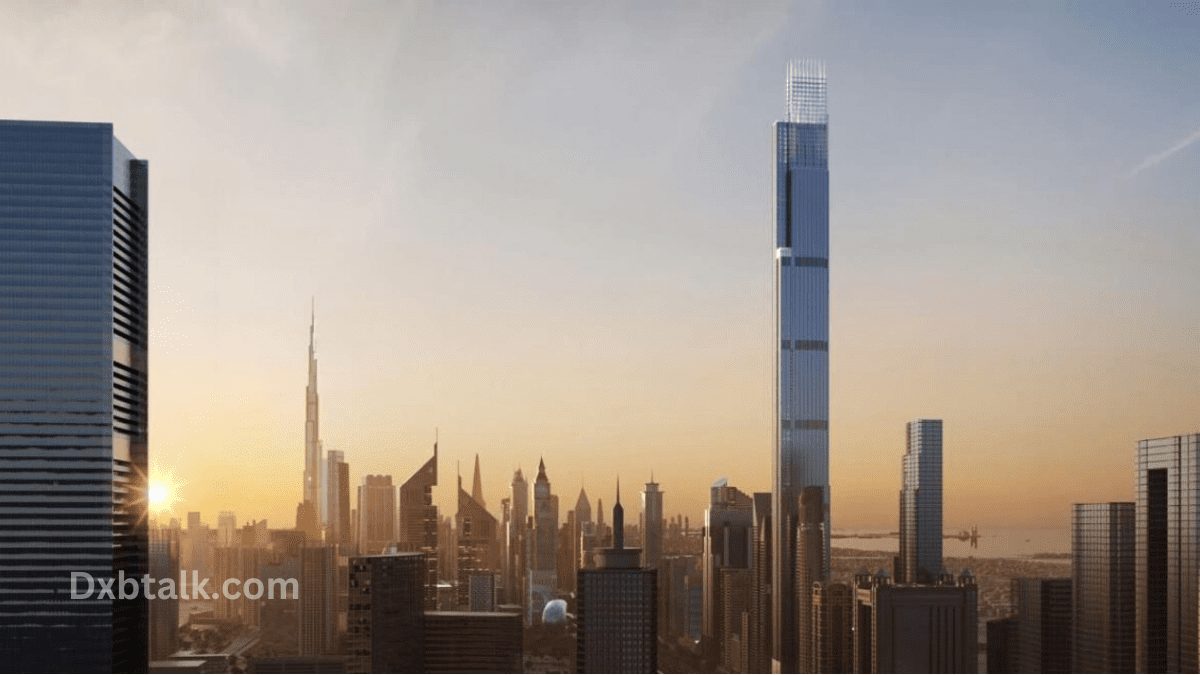
Dubai’s Skyline: A Global Architectural Marvel
Dubai’s skyline is one of the most iconic in the world, characterized by a dazzling array of skyscrapers, luxury towers, and architectural wonders. Each structure tells a story of the city’s rapid growth and its commitment to innovation and excellence.
The Burj Khalifa: Pinnacle of Modern Architecture
Standing at 828 meters, the Burj Khalifa is the crown jewel of Dubai’s skyline. Designed by Adrian Smith of Skidmore, Owings & Merrill, this architectural feat combines aesthetics with sustainability. It features a unique Y-shaped design to optimize wind resistance and provide breathtaking views of the city.
Cayan Tower: The Twisting Marvel
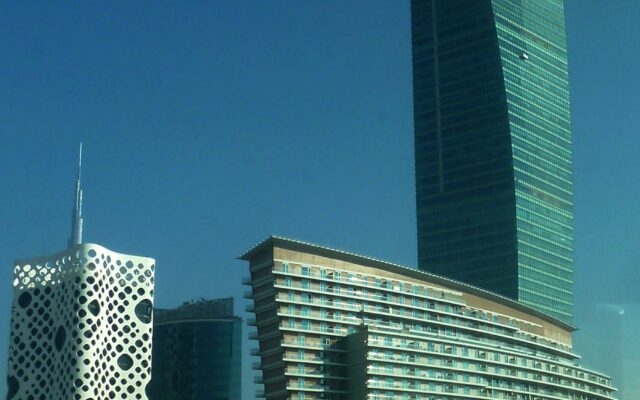
Formerly known as the Infinity Tower, the Cayan Tower is a 306-meter tall residential skyscraper that twists 90 degrees from base to top. This innovative design minimizes structural stress and offers panoramic views of the Marina and the Gulf.
Dubai Frame: A Window to the Past and Future
Positioned between old and new Dubai, the Dubai Frame is an architectural masterpiece offering insights into the city’s transformation. At 150 meters tall, it provides a viewing gallery with stunning vistas on both sides, symbolizing the city’s journey through time.
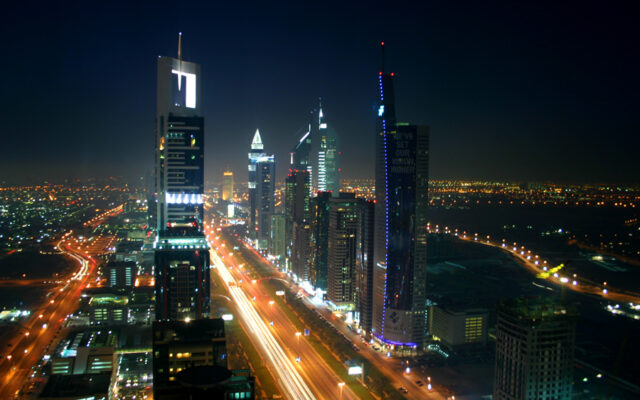
Jumeirah Emirates Towers: Twin Icons
These twin towers, one dedicated to offices and the other to a luxury hotel, are symbols of Dubai’s corporate dynamism. The triangular design is both aesthetically striking and a nod to traditional Islamic architecture.
Conclusion
Dubai’s skyline is a testament to the city’s ambition and innovation. From record-breaking skyscrapers to uniquely designed structures, it represents the harmony between modernity and cultural inspiration.
Hashtags: #DubaiSkyline, #ArchitecturalWonders, #BurjKhalifa, #CayanTower, #DubaiFrame
How to Read the Skyline, District by District
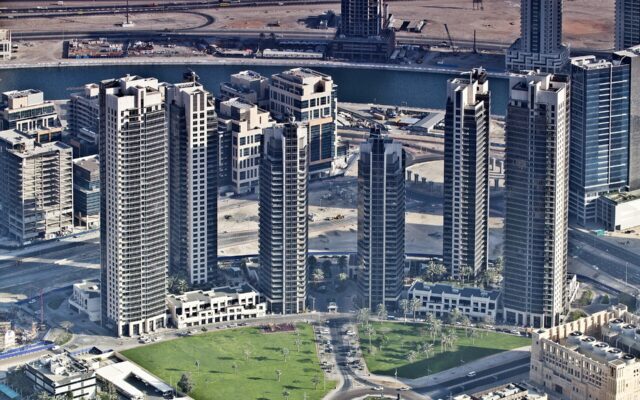
Dubai’s towers are easiest to appreciate when you stop seeing them as one glittering wall and start reading them by district. Downtown Dubai is the vertical centrepiece, arranged around the Burj Khalifa and best understood at ground level, where the scale only becomes clear as you look up from the boulevards and the lake. Along Sheikh Zayed Road, the towers form a long, linear corridor — office blocks, hotels and residential buildings standing shoulder to shoulder, which is why the skyline looks so dramatic from a moving car. Dubai Marina offers a different pattern again: tall residential towers clustered tightly around the water, designed to be admired from the promenade and from boats below as much as from the road.
Older Dubai tells the counterpoint story. Across the Creek in Deira and Bur Dubai, lower buildings, wind towers and traditional houses recall the trading port the city grew from — a contrast that makes the modern skyline meaningful rather than merely tall.
The Best Ways to See It
For a first overview, an observation deck gives you the geography in one visit: the coast, the canal, the islands and the desert behind the towers. Ticket prices and opening arrangements change, so check current details before you go, and book ahead for popular sunset slots, which typically fill first. Sunset lets you watch the city in daylight, golden light and then fully illuminated in a single visit.
At ground level, try these slower approaches:
- Walk the Marina promenade in the early evening to see the residential towers reflected in the water as their lights come on.
- Take an abra across Dubai Creek for the classic low, inexpensive view towards the older districts — confirm the current fare at the station.
- Visit the Dubai Frame’s viewing level to hold old and new Dubai in a single line of sight, as the original article describes.
- Photograph from a distance at dawn for clear air and soft light; haze can soften midday summer views.
📸 Follow @dxbtalk1 on Instagram for daily Dubai in photos →
Why So Many Towers Look So Different
Visitors often ask why neighbouring buildings rarely match. Part of the answer is pace: districts were developed in waves by different developers, each commissioning designs to stand out. Part is climate. Deep-set windows, shading fins and carefully oriented façades are not only decoration; they help manage intense sun and heat. You will also notice nods to regional design — arches, geometric screens and triangular forms, as in the Emirates Towers above — woven into futuristic glass structures.
A Skyline That Is Still Being Written
Perhaps the most Dubai trait of all is that the view is unfinished. Cranes remain part of the picture, new districts continue to rise, and once-dominant buildings are gradually joined by neighbours. That is why residents return to favourite viewpoints: the skyline is less a fixed postcard than a progress report on a city still deciding what it wants to become.



Join the conversation