

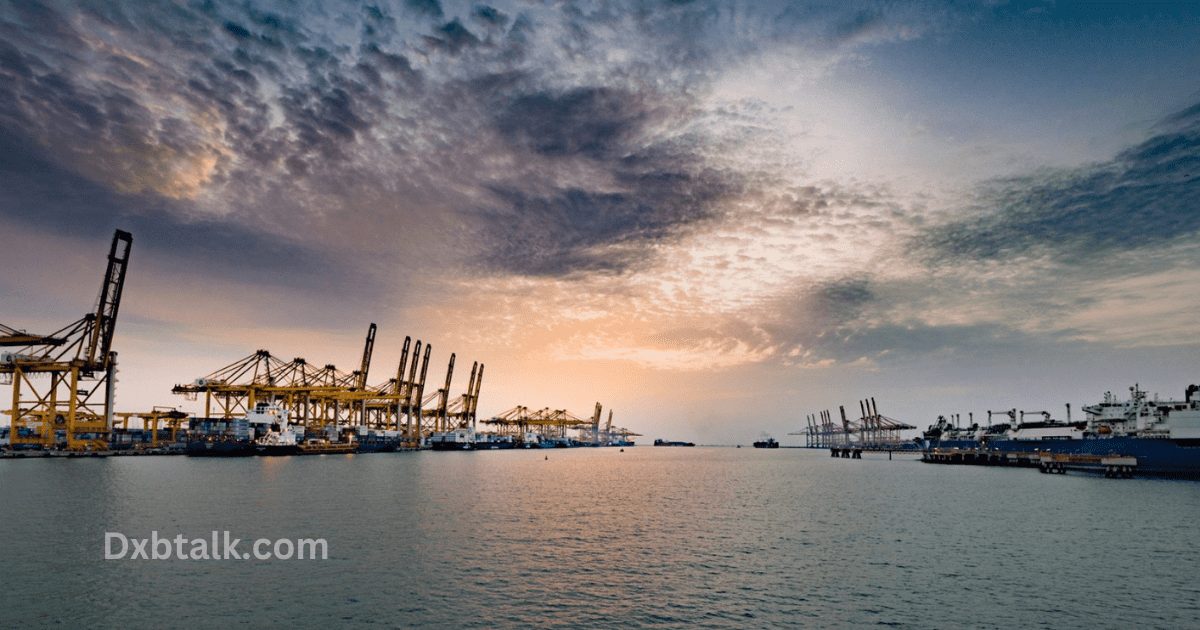
Setting up a business in Jebel Ali Free Zone (JAFZA) is a straightforward process that offers numerous benefits for entrepreneurs and companies. With a focus on facilitating foreign investment, JAFZA provides a streamlined company registration process, which can be completed in a few easy steps. Key advantages include full foreign ownership, no income tax, and access to state-of-the-art infrastructure. Whether you are starting a new venture or expanding an existing business, JAFZA offers the ideal environment for success. Explore this guide to navigate the process and leverage the opportunities available in Jebel Ali Free Zone.
Hashtags:
#JebelAliFreeZone #BusinessSetup #DubaiBusiness #JAFZA #InvestInDubai #ForeignInvestment #CompanyRegistration #DubaiEconomy #BusinessOpportunities #LogisticsDubai #UAEFreeZones #TradeAndIndustry #GlobalTrade #DubaiGrowth #StartupDubai #BusinessExpansion #TradeBenefits #JebelAli #DubaiInfrastructure #Entrepreneurship #BusinessFriendly #MiddleEastBusiness #JebelAliPort #InternationalBusiness #EconomicDevelopment #DubaiOpportunities #BusinessGuidance #TaxFreeDubai #LogisticsSolutions #JebelAliInvestments
Before You Apply: Decide What Your Business Will Actually Do
The smoothest JAFZA setups start before any form is filled in. The free zone will license specific activities — trading, manufacturing, logistics, services and similar categories — and your chosen activity affects your licence type, the premises you may rent and the approvals you need. Write down, in plain language, what you will sell or make, who your customers are, and whether goods will pass through the port. That short description drives every later step.
Also decide your company structure early: how many shareholders, whether they are individuals or an existing overseas company, who will manage the business day to day, and roughly how many staff you expect to employ in the first year. These answers determine your visa allocation and the size of office or warehouse you should take. Changing them later is usually possible, but it involves amendments and additional cost.
The Setup Process, Step by Step
While details vary by activity, most new companies move through the same broad stages:
- Initial enquiry and approval: you submit your business plan, shareholder documents and application to the free zone authority, which checks the activity and proposed company name.
- Choose your premises: select an office, warehouse or land plot that matches your licence and visa needs, and sign the lease documentation.
- Licence and registration: once documents and payments are complete, the company is registered and the trade licence is issued.
- Visas and establishment cards: with the licence in hand, you arrange the immigration and labour registrations that allow you to sponsor employees.
- Bank account and operations: open a corporate bank account, set up customs registration if you will import or export, and begin trading.
Timings depend on how complete your documents are and whether your activity needs extra approvals from other authorities. Be wary of anyone promising an exact completion date before seeing your paperwork — check the current requirements and fees directly with the authority as part of your planning.
📸 Follow @dxbtalk1 on Instagram for daily Dubai in photos →
Documents and Details to Prepare
Requirements are confirmed by the authority for each case, but applicants commonly need passport copies for shareholders and managers, proof of address, a business plan, and — for a corporate shareholder — the parent company’s registration documents, usually attested. Documents from overseas can take time to attest, so start that process early; it is the most frequent cause of delay.
Choose your company name with care as well. Names must follow UAE naming rules, avoid restricted words, and not clash with existing registrations. Having two or three acceptable alternatives ready keeps your application moving if your first choice is refused.
Common Mistakes and How to Avoid Them
New founders in JAFZA most often trip over the same issues. Taking premises that are too large because they look impressive, then carrying the rent while the business is still small. Choosing a licence activity that does not quite cover what they actually sell. Underestimating the time for bank account opening and compliance checks, which are separate from the free zone’s own process. And assuming a free zone company can trade directly with mainland customers in any way it likes, when specific arrangements apply.
None of these mistakes is fatal, and all are avoidable with honest early answers about your activity, a modest first premises choice, and professional advice where the rules are unclear. Set up carefully at the start, and JAFZA’s infrastructure and port access can then do what they are meant to do — let you concentrate on running the business.






Join the conversation