

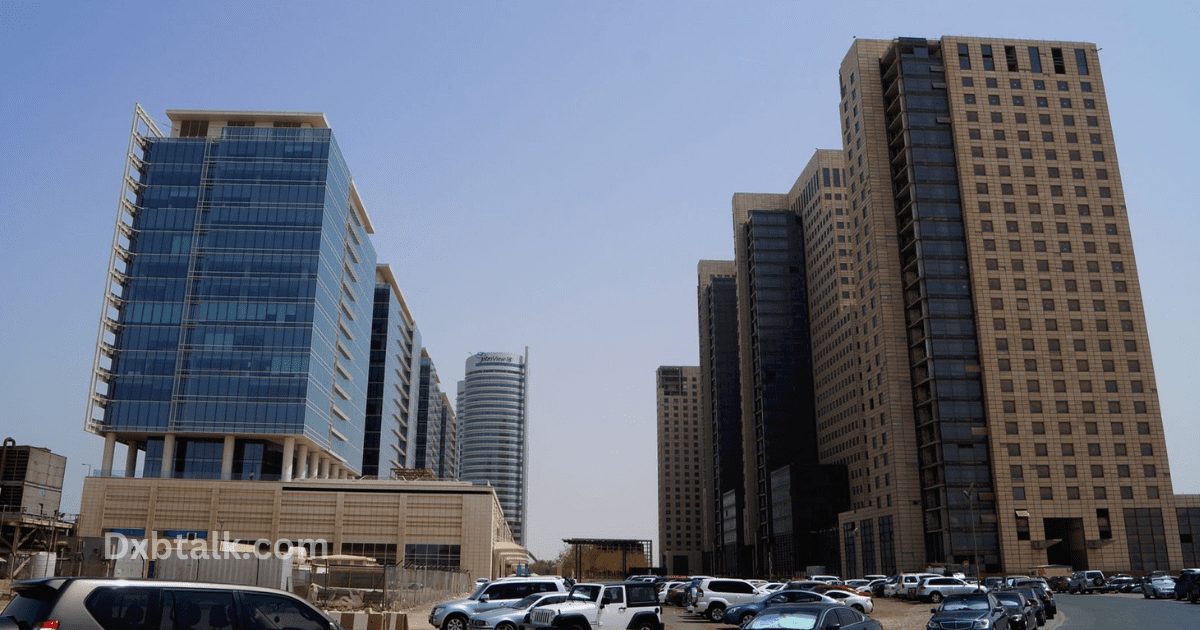
Jebel Ali has emerged as a cornerstone of Dubai’s industrial sector, drawing in investors and businesses from around the world. With an impressive lineup of factories, warehouses, and logistics services, Jebel Ali is not only a port district but a full-fledged industrial powerhouse. Companies benefit from Jebel Ali Free Zone’s perks like zero income tax, full ownership rights, and extensive warehousing options, all conveniently located near one of the world’s busiest ports. Discover why Jebel Ali is a prime location for companies and entrepreneurs aiming to establish a strong foothold in Dubai’s thriving economy.
Hashtags:
#JebelAli #DubaiIndustry #IndustrialHub #JebelAliFreeZone #DubaiTrade #DubaiBusiness #GlobalTrade #InvestInDubai #MiddleEastBusiness #JAFZA #DubaiPort #BusinessOpportunities #UAETrade #DubaiLogistics #DubaiGrowth #DubaiManufacturing #TradeHub #DubaiWarehousing #LogisticsDubai #DubaiEconomy #TradeBenefits #MiddleEastIndustry #BusinessFriendly #DubaiInfrastructure #DubaiExports #DubaiInvestments #JebelAliPort #BusinessDubai #GlobalExpansion #TaxFreeDubai
Where Jebel Ali Actually Is and How It Is Laid Out
Jebel Ali sits at the south-western end of Dubai, well beyond the Marina and Jebel Ali Village, along the main highway towards Abu Dhabi. That distance from the city centre is deliberate. This is a working district built around heavy industry, shipping and storage, so it was planned on a generous scale, with wide roads, large plots and room for facilities that would never fit in older trading areas such as Deira or Al Quoz.
Most visitors here are not tourists. They are suppliers visiting a warehouse, founders viewing a plot, or staff starting a new job. Expect security checkpoints at many facilities, long distances between buildings, and very little that is walkable. A car or taxi is essential, and the Dubai Metro’s Red Line does serve the wider Jebel Ali area, which helps employees commuting from the rest of the city, although a final taxi ride is often still needed to reach a specific gate or unit.
The Industries You Will Find Here
Walk, or more realistically drive, through the zone and the variety becomes clear. Food and beverage companies store and process goods here before they reach supermarket shelves across the Emirates. Building-materials firms keep steel, timber and fittings close to the construction sites they supply. Automotive distributors hold vehicles and spare parts, electronics brands run regional distribution, and third-party logistics companies handle goods on behalf of many smaller businesses that could never justify a warehouse of their own.
- Manufacturing and assembly — light industry, packaging, food processing and fabrication on dedicated plots
- Warehousing and distribution — regional stock held here and moved onward across the Gulf
- Logistics and freight — shipping, forwarding and customs-related services clustered near the port
- Trading and re-export — goods arriving by sea and leaving again for markets in Africa, South Asia and beyond
📸 Follow @dxbtalk1 on Instagram for daily Dubai in photos →
Why the Port and Free Zone Work So Well Together
The real strength of Jebel Ali is the short distance between a ship docking and a product sitting in a warehouse. In many trading cities, cargo faces a long road journey between port and storage, adding cost and delay at every step. Here, the free zone was planned alongside the port, so containers can move from vessel to facility with far less friction.
The free zone model adds the commercial side of the equation. As the original guide notes, companies can operate with full foreign ownership and benefit from the zone’s tax and customs arrangements, but the day-to-day advantages are just as important: established licensing processes, ready-built units for companies that want to start quickly, and land for those planning something larger and longer term.
Who Jebel Ali Suits — and Who It May Not
Jebel Ali tends to suit businesses that move physical goods in volume, need dependable access to shipping routes, or serve customers across the wider region rather than just one neighbourhood. It is usually a poor fit for a small consumer-facing business that depends on footfall, passing trade or a prestigious city-centre address, simply because clients will rarely visit and the daily commute can be long for staff based in northern Dubai or Sharjah.
If you are considering it, visit in person before committing, drive the route your goods and your team would actually take, and check the current licensing, leasing and customs requirements directly with the free zone authority, as packages and fees change over time. Seen up close, Jebel Ali is less glamorous than Downtown or the Marina — but for the companies based here, that working character is exactly the point.





