

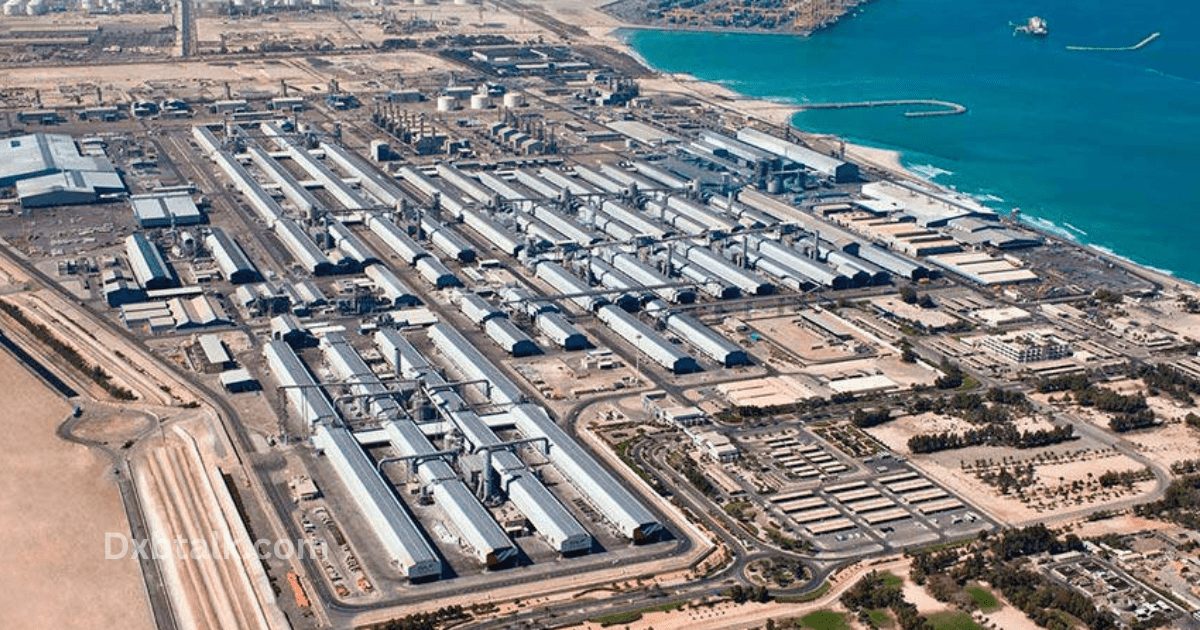
Jebel Ali Free Zone (JAFZA) is a leading business hub in Dubai, established to drive trade and industry growth. With its strategic location near Jebel Ali Port and Dubai International Airport, JAFZA offers unmatched connectivity to over 3.5 billion consumers across the Middle East, Asia, and Africa. From warehousing solutions to modern office spaces, JAFZA provides businesses with the ideal environment to thrive. As a free zone, JAFZA offers numerous benefits, including tax exemptions, full foreign ownership, and streamlined import/export processes. Discover why JAFZA is the preferred choice for multinational companies and how it’s fueling Dubai’s vision to become a global trade leader.
Hashtags:
#JebelAliFreeZone #DubaiBusiness #TradeInDubai #JAFZA #DubaiTradeHub #MiddleEastBusiness #DubaiIndustries #LogisticsDubai #UAEFreeZones #BusinessOpportunities #InvestInDubai #DubaiEconomy #DubaiCompanies #GlobalTradeHub #JebelAli #DubaiLogistics #DubaiInvestments #InternationalTrade #TradeOpportunities #JAFZAOpportunities #DubaiWarehousing #DubaiCommerce #TradeBenefits #BusinessFriendly #DubaiGlobalReach #JebelAliPort #EconomicGrowthDubai #MiddleEastLogistics #TaxFreeDubai #DubaiInfrastructure
How JAFZA and Jebel Ali Port Work Together
The free zone’s strength comes from its close relationship with Jebel Ali Port, Dubai’s main commercial port. Goods can move between ships, warehouses and distribution centres within the same wider logistics hub, which reduces handling and helps companies serve customers across the Gulf and beyond more efficiently. For re-export businesses in particular, that proximity matters: containers arriving by sea can be stored, repacked or consolidated and sent on again without a long inland journey.
Around the port and free zone, a supporting ecosystem has grown up — freight forwarders, customs brokers, transport companies, packaging firms and equipment suppliers. A new company setting up here is not starting in isolation; it is joining an established trading neighbourhood where many of the services it will need day to day are already operating nearby.
Types of Businesses That Set Up in JAFZA
Although JAFZA is often associated with large multinationals, its tenants are varied. Trading companies use it as a regional base for importing and distributing goods, manufacturers value the industrial plots and utilities, and logistics firms rely on its warehousing and road connections towards Abu Dhabi and the Northern Emirates. Office-based companies in sectors such as commodities, machinery, food products, automotive parts and building materials also have a long presence in the zone.
- Trading and distribution: importing goods in bulk and supplying markets across the region.
- Logistics and warehousing: storage, fulfilment and onward transport by sea, road and air.
- Light manufacturing and assembly: production that benefits from port access and industrial facilities.
- Regional headquarters: offices coordinating sales and operations for the Middle East and Africa.
📸 Follow @dxbtalk1 on Instagram for daily Dubai in photos →
What Companies Should Consider Before Choosing JAFZA
A free zone licence is only one part of the decision. Businesses typically weigh the type of licence they need, the size and location of warehouse or office space, customs arrangements, and whether their customers are mainly inside the UAE, in other Gulf countries or further afield. Rules on mainland trading, visa allocations and facility costs vary, so it is important to check the current requirements and fees directly with the JAFZA authority before committing.
Staff access is another practical consideration that is easy to overlook at the start. Jebel Ali sits at the southern end of Dubai, well connected by Sheikh Zayed Road and served by the Dubai Metro Red Line towards its stations in the Jebel Ali area, as well as by company transport that many larger employers organise for their teams. A business recruiting warehouse, technical or office staff should think about shift patterns, travel times from different parts of Dubai and Sharjah, and whether its chosen facility will make daily attendance straightforward for the people it hopes to hire and keep.
Location within the zone matters too. Companies handling heavy container traffic will prioritise being close to the port gates, while office-led firms may focus more on staff access and transport links. Visiting the area, speaking to existing tenants in a similar trade and taking professional advice on licensing and tax treatment can help avoid choosing space that looks suitable on paper but does not fit daily operations. Done carefully, JAFZA offers a practical, well-connected base rather than simply an address.




