

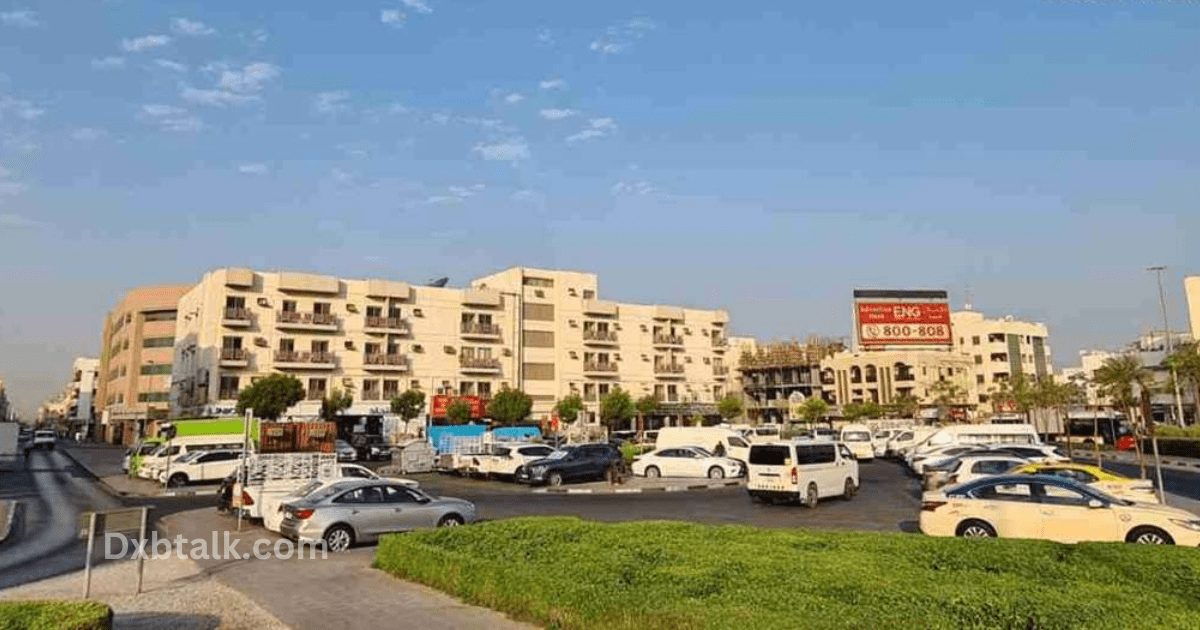
Satwa’s reputation runs on many cuisines, but its oldest layer is Middle Eastern — the Lebanese grills, Yemeni mandi houses and Arabic bakeries that fed the district long before it was fashionable. Along and around Al Diyafah Street (now 2nd December Street) and the lanes behind it, you can assemble the full regional canon within a ten-minute walk: shawarma carved to order, manakish blistered in the oven, mandi arriving in clouds of fragrant steam. This is where to find it, dish by dish, in the order an appetite would choose.
The Shawarma Benchmark: Al Mallah
Every Satwa food conversation starts at Al Mallah, the cafeteria institution whose glowing signs have anchored the Diyafah strip for decades. It is famous for exactly the right things: shawarma with properly crisped edges and a garlic sauce locals defend in arguments, fresh juices pressed to order, falafel fried in batches small enough to arrive hot, and a pavement terrace that functions as the district’s front room. Al Mallah is Lebanese fast food executed at a standard the chains study — order the shawarma, a juice, and whatever has just come off the grill, and take the pavement seat. It is the correct first meal in Satwa, and for many residents it remains the benchmark every other shawarma in Dubai is quietly measured against.
The Bakery Run: Al Reef and the Manakish Oven
A few doors along the same food geography, Al Reef Lebanese Bakery handles the baked half of the canon. The draw is manakish — flatbreads stretched, topped and blistered in minutes: za’atar with olive oil, minced meat, cheese, or the half-and-half that regulars order without being asked. Around it, the bakery counters stack the Levantine sweet repertoire — baklava in its pistachio and walnut forms, kunafa, biscuits and cakes sold by weight and by the box. Go in the morning, when the ovens are in full voice and the manakish comes to the counter still breathing steam; a za’atar manakish and a tea, eaten at the counter or carried to the car, is one of Dubai’s great small breakfasts and costs accordingly little.
📸 Follow @dxbtalk1 on Instagram for daily Dubai in photos →
Mandi and the Yemeni Table: Bait Al Mandi
For the main event, Satwa’s Yemeni houses serve mandi the way it demands to be served: communally, generously, and with theatre. Bait Al Mandi is the district’s name for it — rice cooked in the pit tradition, perfumed with the spice blend and the smoke of the method, carrying lamb or chicken slow-cooked to the point of surrender, served on platters built for sharing. The Yemeni table around the mandi has its own grammar — sahawiq, the fiery tomato-chilli relish; the soup that opens; the fahsa and saltah stews bubbling in stone bowls at the serious houses. This is not a quick lunch. It is the meal Satwa’s workers, families and taxi drivers plan a day around, and a first-timer should do the same: arrive hungry, order the platter, eat with the table.
Mezze and the Grill Houses: Al Sufra and Al Safadi
The sit-down Levantine dinner lives in Satwa’s grill restaurants, where the meal is built as an arc: cold mezze first — hummus beaten smooth, fattoush sharp with sumac, tabbouleh mostly parsley as it should be — then the mixed grill arriving in waves, kebabs and kofta and lamb chops with grilled bread soaking up the juices, then fruit and tea where dessert would go. Al Sufra carries the Syrian-Lebanese version of this repertoire, strong on mezze and kebabs; Al Safadi, the Lebanese house with branches across the city, keeps a Satwa presence on the same strip with the full canonical menu. These are the rooms for the long family dinner, the visiting relatives, the evening where the food is the entertainment and nobody is watching a clock.
How to Eat the District
Satwa’s Middle Eastern layer rewards the grazer’s strategy. Do not give the whole evening to one restaurant: a manakish at the bakery, a shawarma standing at Al Mallah’s counter, a mandi platter shared somewhere with low tables, sweets by weight for the walk home — the district is dense enough to be eaten as a course-by-course itinerary, and that is how its own residents treat it. Prices sit at neighbourhood levels throughout; the luxury here is quality and company, not décor. Come in the evening when the strip lights up and the pavements fill, bring cash for the small stops, and let appetite rather than itinerary drive. Satwa did not learn Middle Eastern food to impress visitors. It cooks it because it is home — and home cooking, at this standard and this price, is the rarest thing in Dubai dining.



Join the conversation