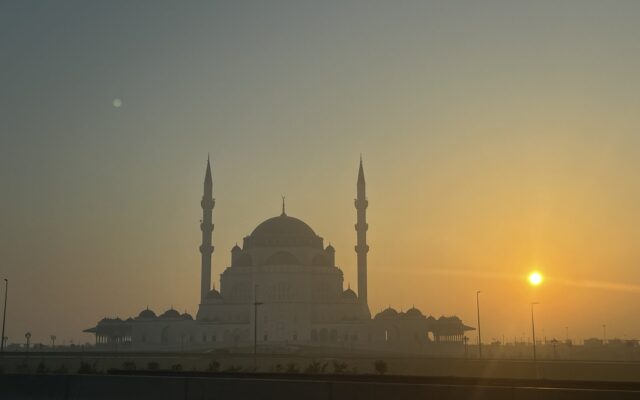
Say “mosque” and “Jumeirah” in the same sentence and everyone pictures the same postcard: the white Fatimid-style landmark, floodlit on Jumeirah Beach Road. But Jumeirah’s residents live a second, quieter story. Spread across Jumeirah 1, 2 and 3 are the local mosques that neighbours actually use daily — the ones behind the beach cafés and villa walls, where the same streets gather five times a day. Beyond the famous landmark, this is Jumeirah at prayer.
Discovering them changes how you see the whole district: less postcard, more neighbourhood — and a very beloved neighbourhood at that.
The Mosques Residents Actually Use
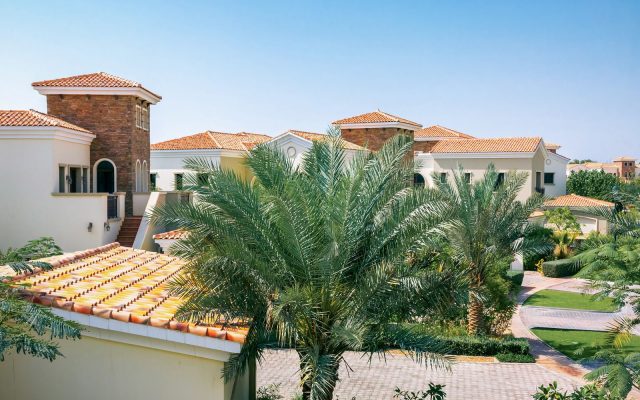
The local mosques of Jumeirah are sized and sited for their streets. Some serve the older villa quarters inland; others sit closer to the beach roads, handy for the fishermen’s harbour side, the café staff and the beach crowds who plan swims around prayer. Each has its regulars, its character and its small legends — the imam whose voice the street loves, the elder who has opened the doors at Fajr for longer than anyone can remember.
What they share is intimacy. In the famous landmark, you pray among visitors from the whole city. In your local, you pray among the people whose cars you recognise, whose children go to school with yours, whose greetings after prayer turn into the news and kindness exchange of the street. Both experiences are precious. Residents, asked to choose, tend to protect the local with particular fierceness — it is theirs.
Beach Life, Villa Life, Prayer Life
Jumeirah’s daily rhythm is uniquely coastal. Fajr gathers the early risers before the sea mist lifts. Dhuhr brings a mixed crowd of residents, office escapees and beach-side workers. Asr and Maghrib are the golden hours in every sense — surfers and swimmers from Kite Beach and the public beaches timing the late prayers, families ending beach days with prayer on the way home, the whole district suffused with that end-of-day glow the Gulf does so well.
Prayer times change daily, so the beach crowds and villa streets alike check the official UAE calendar or a prayer times app for the day. But Jumeirah also keeps the older clock: when the call sounds over the rooftops, the district simply knows.
📸 Follow @dxbtalk1 on Instagram for daily Dubai in photos →
Fridays in Jumeirah 1, 2 and 3
Friday spreads the community across both worlds. Many families make the short trip to the famous Jumeirah Mosque for a grand Jummah; many others walk to their local, where the congregation is smaller, the greetings longer and the walk home passes half the street’s front doors. Either way, the afterwards is pure Jumeirah: family lunches, beach plans, grandparents presiding over long tables.
The congregation, wherever it gathers, shows the district’s blend — Emirati families whose roots here predate the villas’ boom, praying beside long-settled Arab, South Asian and European Muslim households. In the rows, the beach’s easy equality holds: villa owner beside lifeguard, shoulder to shoulder. Ramadan evenings add their own glow, with Taraweeh filling locals and landmark alike; Ramadan and Eid dates depend on moon sighting and official announcement each year.
Finding the Locals
For Muslim newcomers to Jumeirah, the practical advice is simple: your mosque is closer than you think. Walk your own streets at prayer time and follow your neighbours, or ask at any café or shop — directions to the local mosque are the district’s most cheerfully given information. For non-Muslim visitors, the local mosques are community places of worship: admire them from the street, keep their gates clear at prayer times, and save interior visits for the famous neighbour up the road, where the Sheikh Mohammed Centre runs the guided Open Doors, Open Minds tours.
- Spread: neighbourhood mosques across Jumeirah 1, 2 and 3
- Character: intimate, street-scale and fiercely loved by regulars
- Coastal rhythm: beach days and prayer times planned together
- Landmark link: Jumeirah Mosque tours for visitors who wish to see inside
The Postcard and the Parish
Every famous place needs both: the icon the world photographs, and the parish where life actually happens. Jumeirah is blessed with a magnificent version of each. The travellers get the floodlit landmark; the residents get something rarer — a mosque on their own street that knows their names.
Walk a Jumeirah side street at dusk, past the villa walls and the smell of the sea, and listen for the smaller call beneath the famous one. Down that street, a neighbourhood is gathering. That is the other Jumeirah Mosque story — and to the people who live it, it is the main one.