Satwa’s shops get the visitors; Satwa’s food is why they come back. This dense, working neighbourhood cooks the way it lives — for a multicultural population that eats seriously and pays honestly — and the result is one of Dubai’s great food districts hiding in plain sight: cafeterias, bakeries, juice bars and street stalls serving the flavours of a dozen homelands at prices that belong to another era of the city. Come hungry. Better: come hungry twice, because the first visit is only reconnaissance.
Start With the Street
The street food is the overture and it does not mess around. Shawarma is the headline act — meat marinated and roasted on the vertical spit, shaved into warm bread with pickles and garlic sauce, eaten standing or walking, exactly as the neighbourhood does it. Falafel answers for the vegetarians without apology: chickpea balls fried to a deep crunch, wrapped with salad and tahini, the kind of cheap perfection that makes people protective of their favourite stand. And start one morning the local way at least once — with foul medames, the slow fava-bean dish dressed with olive oil and fresh vegetables, eaten with bread and strong tea in a cafeteria full of people beginning the same day. These are not snacks between sights. In Satwa they are the sights.
The Restaurants Behind the Stalls
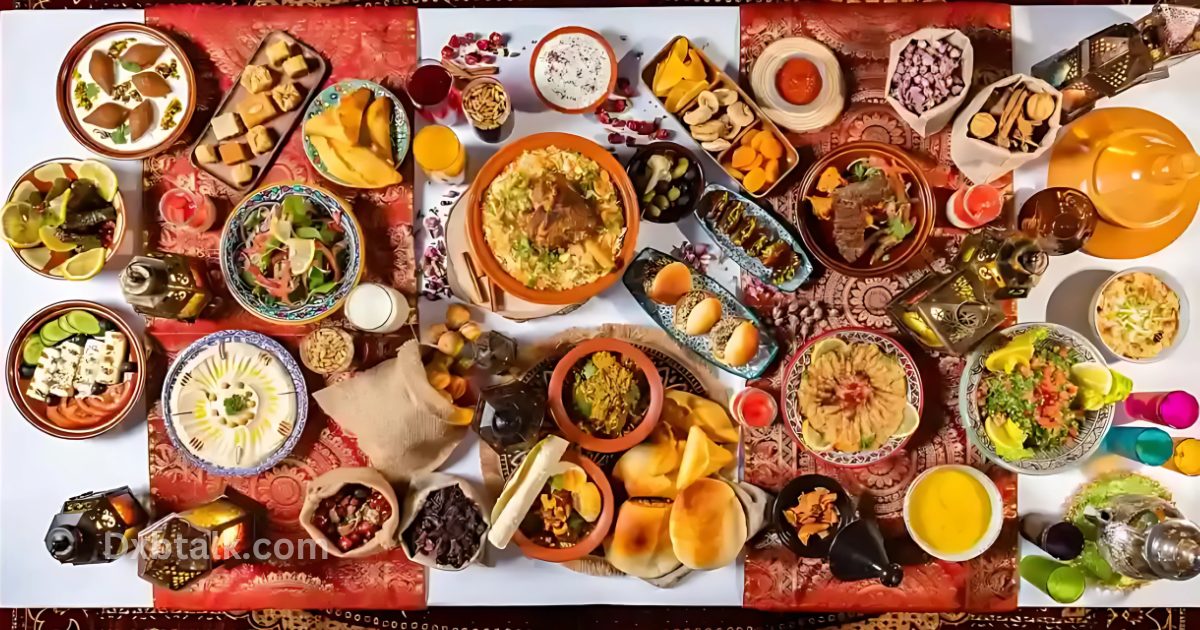
Go deeper and the neighbourhood’s kitchens tell its demographic story plate by plate. Indian restaurants serve biryanis and kebabs built for the community that anchors much of Satwa’s life; cafeterias and small eateries from across the region layer in their own specialities; and Emirati cafés hold the tradition’s home ground, serving dishes like harees to anyone who wants to understand where the city’s food began. The pattern to notice is authenticity enforced by audience: these kitchens cook for homesick regulars who know exactly how the dish tastes in Karachi, in Kerala, in the old family house — and a restaurant that survives that scrutiny has earned your trust along with theirs.
📸 Follow @dxbtalk1 on Instagram for daily Dubai in photos →
Breakfast, the Satwa Way
Give the neighbourhood one morning before you judge it, because breakfast is where Satwa’s food culture shows its foundations. The cafeterias fill early with the district’s workers and shopkeepers, and the order of the day is unhurried and specific: foul medames or a masala dosa, eggs cooked the way the next table is having them, bread arriving warm in relays, and karak — always karak — refilled without the ceremony of asking. Prices sit at the level where nobody performs gratitude for them; this is simply what food costs when it is cooked for neighbours. Sit where you can watch the street begin. The tailors will open, the fabric shops will raise their shutters, the delivery bicycles will start their geometry — and you will understand, over a second tea, that Satwa’s celebrated food scene is not a collection of restaurants at all. It is the neighbourhood feeding itself in public, and breakfast is the meal where the feeding is most plainly for its own people. Visitors are welcome at the table. That is rather the point of the place.
The Sweet Finish and the Juice Reset
Satwa endings are a two-course system. First, the bakeries: trays of kunafa with its molten cheese and syrup, baklava in its nutty layers, pastries that make the case for buying a box “for home” that everyone present understands will not survive the evening. Then the juice bars, the neighbourhood’s refreshment engine — freshly squeezed juices from whatever fruit the season has made glorious, poured in glasses that reset the palate and the afternoon in one go. Between courses, the cafeterias pour the karak that functions as Satwa’s social glue. The full circuit — shawarma, a restaurant plate, something sweet, a juice — costs less than a single modest mall lunch and teaches you more about Dubai. Satwa’s food scene is a celebration of the city’s real composition: cultures cooking beside each other, for each other, at prices that keep everyone at the table. It is not the Dubai of the brochures. It is the Dubai that feeds itself — and it will happily feed you too.