

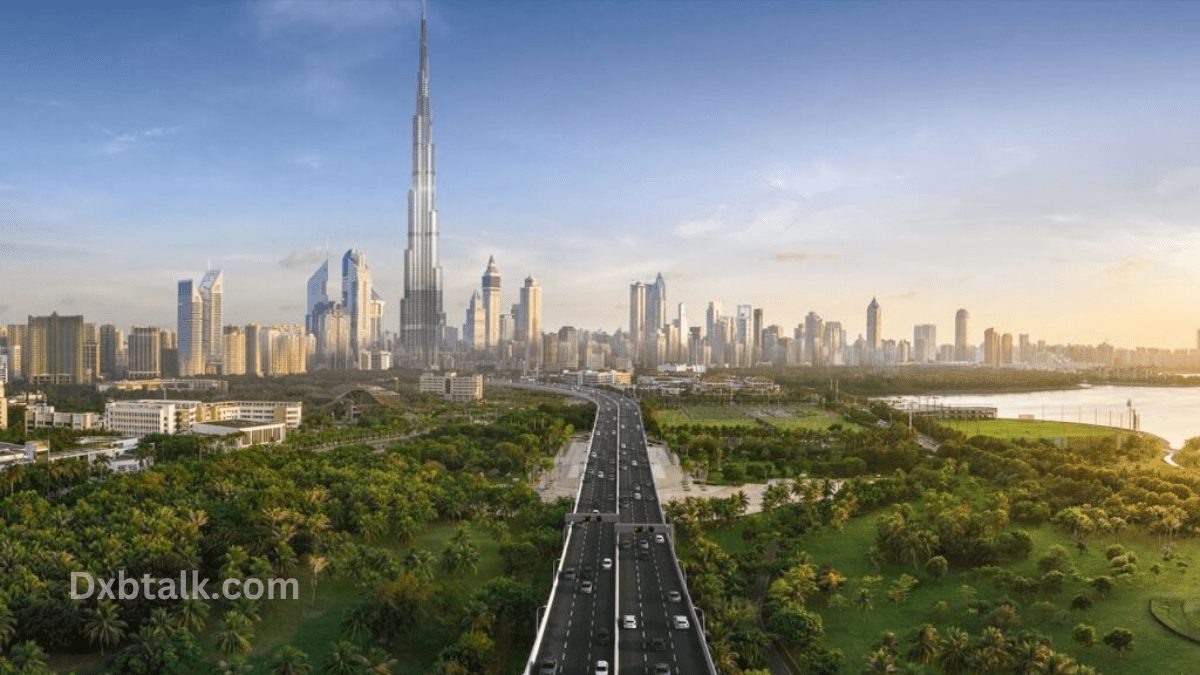
Dubai’s commitment to sustainability is growing, and with it the practical possibility of travelling here responsibly. The city will never be a wilderness destination — it is a great trading metropolis built in the desert — but a visitor’s footprint is mostly a sum of choices: how you move, where you sleep, what you carry, where you eat and which version of nature you go to see. Made thoughtfully, those choices let you enjoy the city’s incredible attractions while contributing to the greener future it says it wants.
Move Like the City Moves
Start with transport, the largest share of most trips’ impact. Dubai has an efficient public transport system — the driverless Metro running the length of the city, buses, trams and water transport — and using it reduces your footprint while offering a cost-effective way to explore. The Metro in particular is not a compromise: it is faster than traffic on the Sheikh Zayed Road corridor at peak hours and lands you at the malls, the old town and the marina without parking. Base yourself near a station and half your travel decisions make themselves. For the trips transit cannot do, taxis and ride-hailing are plentiful; grouping your sightseeing by district, rather than zig-zagging the city’s length daily, is the quiet carbon saving nobody brags about.
Sleep, Carry, Refill
Choose accommodation that prioritises sustainability. Many hotels in Dubai implement green practices — energy-saving systems, recycling programmes, water conservation — and certifications such as Green Key or LEED give you something to look for when booking. Then behave like the certification is yours: turn off lights, air conditioning and electronics when leaving the room, reuse towels, and take shorter showers in a city where every litre is desalinated. Carry the reusable kit — water bottle, shopping bag, cutlery if you use it — and refill rather than rebuy: drinking water refill points are spreading through malls and public spaces, and single-use plastic is being designed out of the city’s retail life year by year. Supporting local businesses does double duty: markets, independent eateries and small shops keep money in the community and shorten supply chains, and the souk purchase almost always travels home with less packaging than the mall one.
📸 Follow @dxbtalk1 on Instagram for daily Dubai in photos →
See the Nature That Is Actually There
Dubai’s green attractions reward the traveller who adjusts their idea of nature to the place. Ras Al Khor Wildlife Sanctuary, at the head of the Creek, hosts thousands of migratory birds — the flamingos are the stars — watched from hides at the water’s edge. Al Qudra’s lakes spread through the desert on the city’s edge, made for cycling and sunset picnics. The Green Planet recreates a rainforest inside a biodome for education rather than extraction. The Dubai Desert Conservation Reserve runs eco-safaris under strict rules, and at Hatta the dam’s kayaks move silently under the mountains. Respect local wildlife everywhere: avoid activities that exploit animals or disrupt habitats, observe from a distance in protected areas, and leave every site as you found it. Dine responsibly in parallel — restaurants serving organic, locally sourced or plant-based food are easy to find now, and the region’s own produce, from UAE farms, shortens the plate’s journey dramatically.
Timing Is a Sustainability Choice Too
When you come matters as well. The cooler months are peak season, when the city’s attractions run at full stretch; travelling at the season’s edges spreads demand, shortens queues and usually softens prices, while the walking-and-transit style of sightseeing this guide recommends is genuinely pleasant rather than a penance. A longer, slower stay beats a compressed one on almost every measure — fewer transfers, deeper use of one neighbourhood, and a trip that reads as residence rather than consumption. Sustainability, in the end, is partly a tempo.
The Flight, Honestly
Finally, the largest item: the flight. Consider offsetting your emissions through a reputable scheme — many airlines offer the option at booking, and independent projects let you choose reforestation or renewable-energy support yourself. Treat offsetting as the last step, not the licence: the hierarchy is still to travel a little less, stay a little longer, and move lightly while you are here. Sustainable travel in Dubai is not only possible but rewarding, because the city’s version of it — high-tech transit, protected wetlands beside the skyline, desert conservation with real rules — is genuinely its own. Explore responsibly, and your trip becomes part of the vision rather than a cost against it.



Join the conversation