

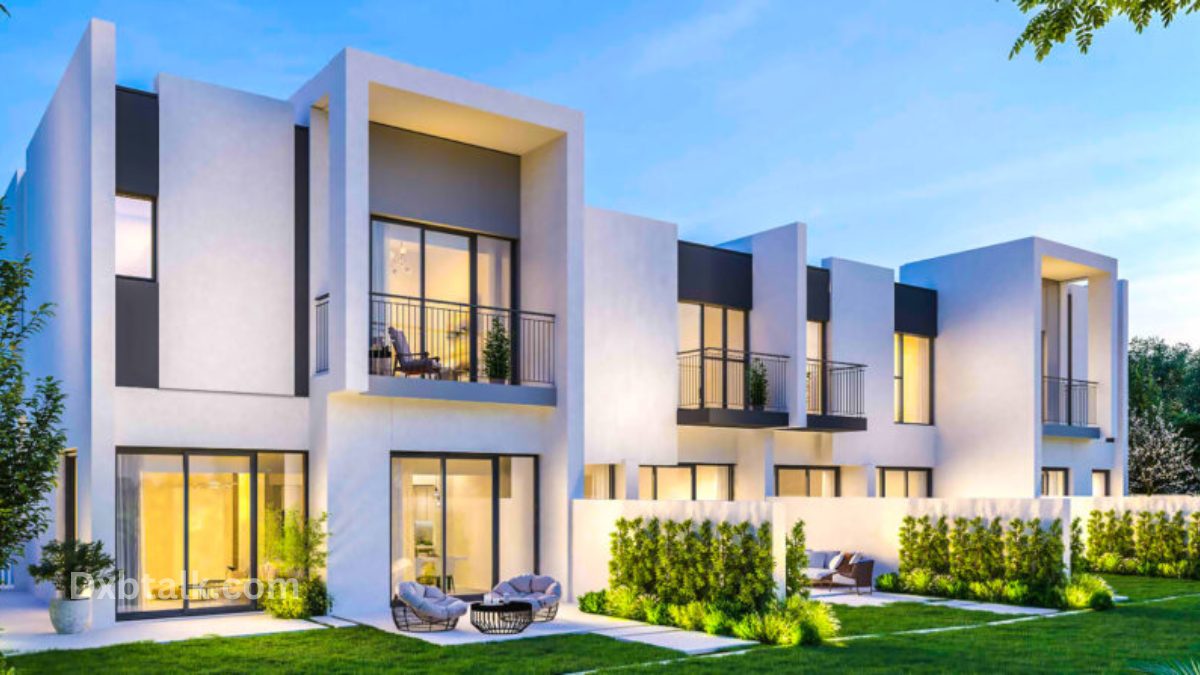
Dubai’s real estate market is perpetually building its own future, and off-plan projects — bought from the plan, before or during construction — are where much of the city’s investment energy concentrates. The attractions are structural: staged payment plans, entry prices below completed equivalents, and first choice of the new districts. The watch list below covers the major projects and communities drawing attention, but read it the way a buyer should: as a set of different bets, each with its own developer record, timeline and risk.
The Waterfront Bets
Emaar Beachfront leads the category on pedigree: a private-beach peninsula of luxury towers between Dubai Marina and the Palm, with sea views on both sides and Emaar’s delivery record behind it — the premium off-plan purchase for buyers who weight certainty. Dubai Creek Harbour is the scale bet: a whole waterfront city across the Creek, its residences rising in phases around the future Creek Tower site, bought for long-horizon appreciation as the district completes. Port De La Mer, on the Jumeirah coastline near La Mer, offers the boutique version — low-rise, Mediterranean-inflected waterfront apartments around a marina, with a European resort calm that high-rise districts cannot copy. Three waterfronts, three different products: the resort peninsula, the future downtown, the marina village. The buyer’s question is which waterfront life — and which completion timeline — the money is actually purchasing.
The Master Communities
The villa and community launches run on a different clock. Dubai Hills Estate continues to release phases into a maturing community — golf-course frontage, parks, its mall and schools already operating — which lowers the classic off-plan risk of amenities that exist only in the brochure. Sobha Hartland, in Mohammed Bin Rashid City, sells craftsmanship: villas and apartments in a green, lagoon-edged district from a developer known for building its own quality control into the brand. District One, its neighbour, is the exclusivity play — villas around the great crystal lagoon, minutes from Downtown, priced for scarcity. DAMAC Lagoons builds the themed alternative: a vast water-led community of villas and townhouses styled on Mediterranean destinations, leisure infrastructure at a scale only a master developer attempts. Tilal Al Ghaf answers with sustainability and a lagoon of its own — family villas in a community organised around outdoor life and green space — while Expo City Residences convert the Expo legacy into a residential bet: smart homes and eco-design in the district built for the world’s fair, with the Al Maktoum airport city’s future behind it. Al Furjan’s new phases close the list at the accessible end — modern townhouses and apartments in an established, metro-served community, the first-time buyer and yield investor’s natural hunting ground.
Two habits separate watchers from buyers. The first is the site visit: off-plan districts reveal themselves at the fence — how much is genuinely built, whether the show village matches the masterplan’s promises, how the completed phases are ageing. The second is the paper trail: construction updates, escrow reporting and the developer’s communication cadence tell you how a project is really progressing long before the handover letter. A project worth watching is one whose evidence keeps improving; a project worth avoiding is one whose marketing improves while its evidence stalls.
📸 Follow @dxbtalk1 on Instagram for daily Dubai in photos →
How to Watch an Off-Plan Project
A watch list is only useful with a method. Track the developer before the project: their delivered communities are the truest brochure, and their handover punctuality is a matter of record. Read the payment plan as a risk schedule — how much is paid before completion, how much on handover — and check the project’s escrow registration and approvals with the Dubai Land Department, the regulator whose framework protects off-plan buyers. Price the finished competition: the completed building next door is what your unit must beat or match at handover. And hold timelines loosely — off-plan rewards patience and punishes leveraged hurry. Verify current project status, prices and payment terms with the developer and the Land Department before committing. Chosen that way, off-plan in Dubai is what its best buyers make it: a disciplined purchase of the city’s future, at a discount for the wait.



Join the conversation