Nobody applauds them, and that is exactly how they like it. Long before the first worshipper arrives, someone has unrolled the extra mats in the courtyard. Someone has filled the water dispensers, straightened the shoe racks and set out the chairs for the elders. In Ramadan, someone will be laying long rows for iftar while the rest of the city is still at work. These are Dubai’s mosque volunteers — the quiet hands behind every gathering — and if the mosques of this city run on faith, they also run, in no small part, on these unseen acts of love.
There Before Everyone, Leaving After Everyone
Volunteering at a mosque rarely looks like volunteering anywhere else. There are no sign-up desks in most neighbourhood mosques, no uniforms and no announcements. There is simply a regular who notices what needs doing and does it, week after week, until it becomes his quiet post or her quiet habit. The man who always arrives early for Friday prayer and opens the side doors. The woman who keeps the women’s section supplied and welcoming. The teenagers who appear, as if by instinct, whenever extra hands are needed.
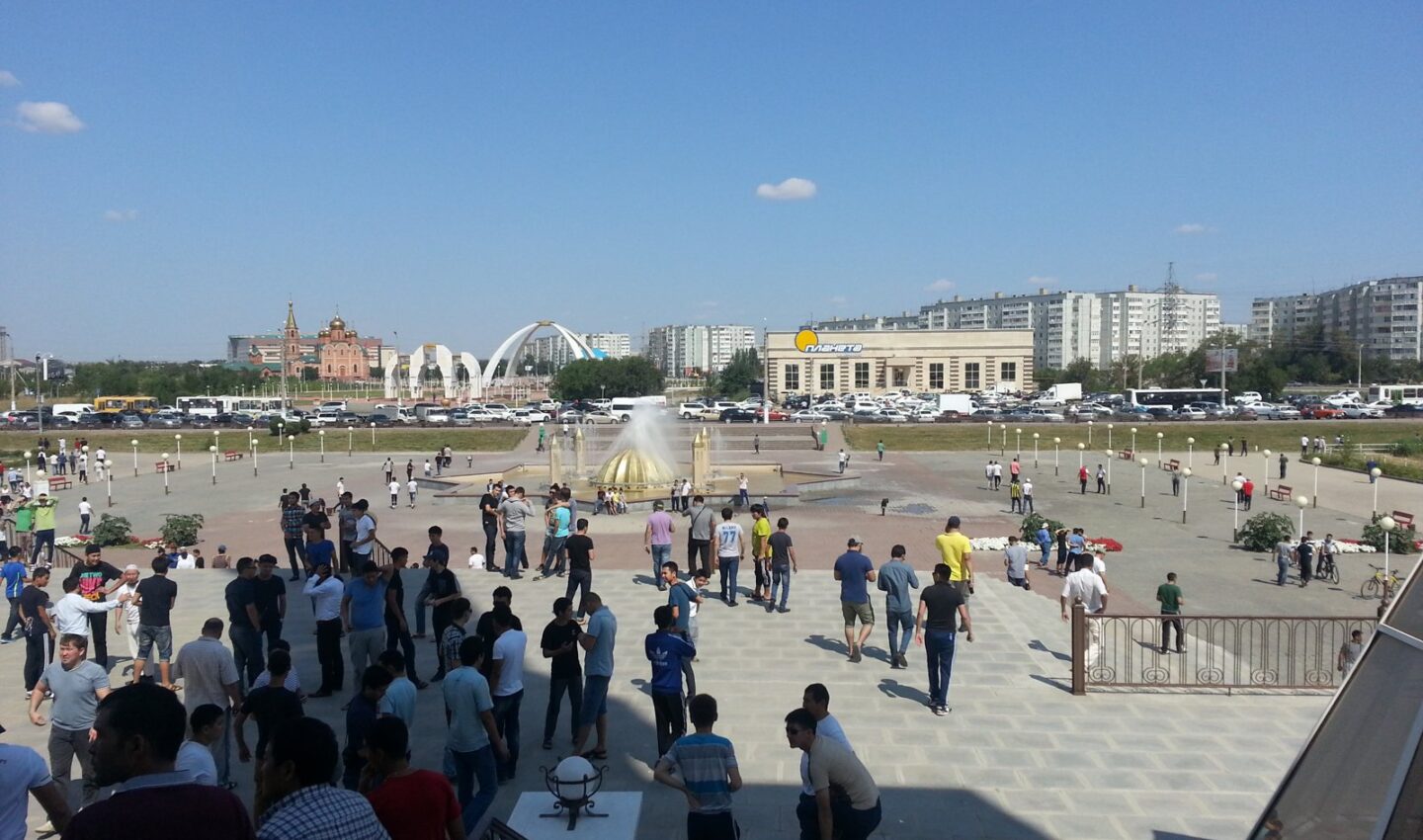
On Fridays and during Ramadan the scale grows. Mosques fill to overflowing, courtyards become prayer halls, and parking, mats, water and crowd flow all need gentle organisation. Much of it is done by volunteers from the congregation itself — neighbours guiding neighbours, worshippers looking after worshippers. Visitors often remark on how smoothly a packed Friday or a huge iftar seems to run. It does not run by itself. It runs on people who gave their time without being asked twice — or, often, without being asked at all.
The Work Nobody Photographs
The list of tasks is humble, and that is the point. Mats are unrolled and rolled away again. Courtyards are swept after crowds have gone. Water cups are handed out at sunset in Ramadan to people whose names the volunteer will never know. Lost items are gathered. A newcomer looking lost is quietly guided to the right entrance. After Eid prayer, when the embraces are done and the sweets are finished, someone stays behind to leave the place as clean as they found it.
- Before prayer: mats laid, doors opened, chairs set for elders, water ready.
- During gatherings: gentle guidance at entrances, help for the elderly and for children.
- At iftar: rows laid, food shared out, dates and water placed within everyone’s reach.
- Afterwards: courtyards cleaned, mats stored, the mosque left ready for the next prayer.
None of it is glamorous. All of it is the difference between a crowd and a community.
📸 Follow @dxbtalk1 on Instagram for daily Dubai in photos →
Every Age, Every Background
True to Dubai, the volunteers are everyone. Schoolboys compete good-naturedly to hand out water. University students organise themselves into informal teams during the busiest nights of Ramadan. Working men give their one free evening. Retired gentlemen treat their small duties — the keys, the courtyard, the regulars they greet by name — as the honour of their week. In the women’s sections, the same pattern repeats: experienced hands quietly training newer ones, generation teaching generation without a single formal word.
Many volunteers will tell you they started because somebody once did the same for them. They arrived in Dubai new, tired or lonely, and a stranger at the mosque poured them water, found them a space in a crowded row, or simply made them feel expected. Volunteering is how the debt is repaid — forwards, to the next newcomer.
Ramadan: The Volunteers’ Season
If you want to see Dubai’s mosque volunteers at their most remarkable, come at sunset during Ramadan. Across the city, in mosque courtyards and community spaces, long rows are laid for iftar, and volunteers move along them with dates, water, juice and meals for hundreds of people they have never met. Many have been fasting all day themselves. It makes no difference to their energy. Serving people who are about to break their fast is, for them, one of the best moments of the month.
The same spirit carries through the nights of Taraweeh, when volunteers help manage the happy press of families, and through the last ten nights, when mosques stay busy until Fajr and somebody still needs to make sure there is water, space and calm for everyone who comes.
The Heartbeat You Can Hear If You Listen
A mosque, in the end, is not its dome or its minaret. It is the people who care for it and for each other inside it. Dubai’s volunteers ask for no credit, appear in no photographs and would mostly be embarrassed by an article like this one. But every worshipper who has ever found a mat waiting, a cup of water in their hand at sunset, or a chair placed kindly behind them has already met their work.
So next time you visit a mosque in Dubai, arrive a few minutes early and watch. Before the prayer begins, before the rows form, look for the people moving quietly at the edges, setting the scene for everyone else. That is the community, caring for itself — and it is one of the most beautiful sights the city has to offer.