Moving to a new city usually means starting from zero: no friends, no contacts, no one to call. In Dubai, though, there is a shortcut that generations of newcomers have discovered — walk into your neighbourhood mosque. What begins as a place to pray has a way of becoming something much larger: a circle of friends, a source of advice, an invitation network, sometimes even the reason a whole life in the city works. For community beyond the prayer, few institutions in Dubai can match the mosque next door.
The Friendliest Room in the Neighbourhood
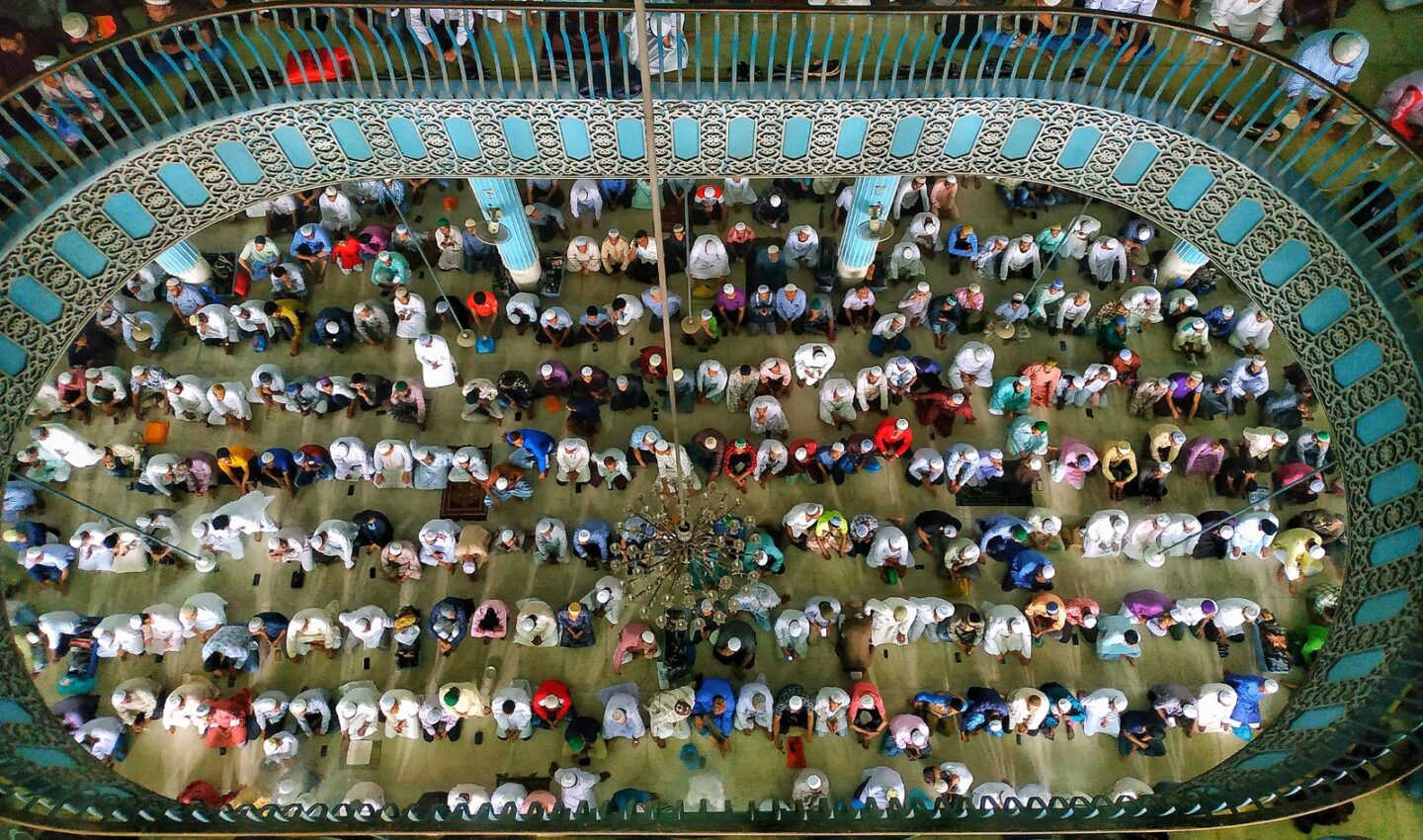
Friendship at the mosque grows the way the best friendships do — slowly, through repetition. You pray beside the same faces at Fajr. You exchange greetings after Maghrib. By the third Friday, someone knows your name; by the third month, someone knows your father’s name, your home town and exactly how you take your tea. There is no application process. Attendance is the whole secret.
This matters enormously in Dubai, where so many people arrive alone. The bachelor in his first month, missing his family in another hemisphere, finds the mosque courtyard the easiest room in the city to not be lonely in. The new family, unpacking in an unfamiliar district, discovers that the Friday congregation contains school recommendations, a trusted mechanic and three dinner invitations before the month is out.
Football After Fajr, Tea After Isha
The community spills well beyond the prayer hall. In neighbourhoods across the city, mosque friendships organise themselves into the texture of the week: informal football games in the cool early hours, walking groups, study circles that end in long conversations, tea at the cafeteria near the mosque after Isha where the real business of friendship — news, jokes, advice, consolation — gets done.
- Sport: early-morning football and walking groups born in the Fajr congregation.
- Celebrations: wedding invitations, newborn visits and Eid rounds shared among mosque friends.
- Practical help: job tips after Jummah, a contact for every trade, a lift whenever one is needed.
- Hard weeks: the friends who notice your absence, visit when you are ill and stand close at family funerals.
📸 Follow @dxbtalk1 on Instagram for daily Dubai in photos →
The Network That Actually Works
Every expatriate city runs on informal networks, and Dubai’s mosque network is among the warmest and most effective. Jobs are heard about in courtyards before they are advertised. A spare room, a reliable landlord, a good doctor, a school with places — the congregation collectively knows these things, and shares them as a matter of course. New arrivals are folded into this knowledge deliberately, because everyone in the row remembers needing it.
What distinguishes the mosque network from a professional one is its motive. Nobody is networking. They are being neighbours — and the help flows from affection rather than advantage, which is why it tends to arrive exactly when it is needed and never presents an invoice.
Friendships Across Every Difference
Perhaps the most Dubai thing of all is who these friendships join. The congregation of a single neighbourhood mosque can span continents, professions and generations, and its friendships follow suit: the Emirati grandfather and the Pakistani shopkeeper who have shared a row for a decade; the Filipino nurse and the Sudanese student who met in the women’s section; the schoolboy and the retired teacher who discuss football with total seriousness every Friday. Outside the mosque, these people might never have met. Inside it, they are simply friends.
For children, the mosque doubles as a friendship factory — classmates from Quran circles, playmates from the courtyard, bonds that can last from primary school to their own children’s generation. Many Dubai families trace their entire social world back to a first Friday at the local mosque.
Start With One Prayer
If you are new to Dubai, the advice of everyone who has done it before you is disarmingly simple: go to your nearest mosque, pray, and linger a little afterwards. Introduce yourself to one person. Accept the first invitation, however small. The community beyond the prayer does not need to be hunted down — it forms around anyone who keeps showing up.
In a city that can dazzle newcomers with its scale, the mosque offers the opposite gift: a small, warm, knowable world, where you are expected, greeted and missed when you are away. That is not just a place of worship. That is the beginning of a life.