

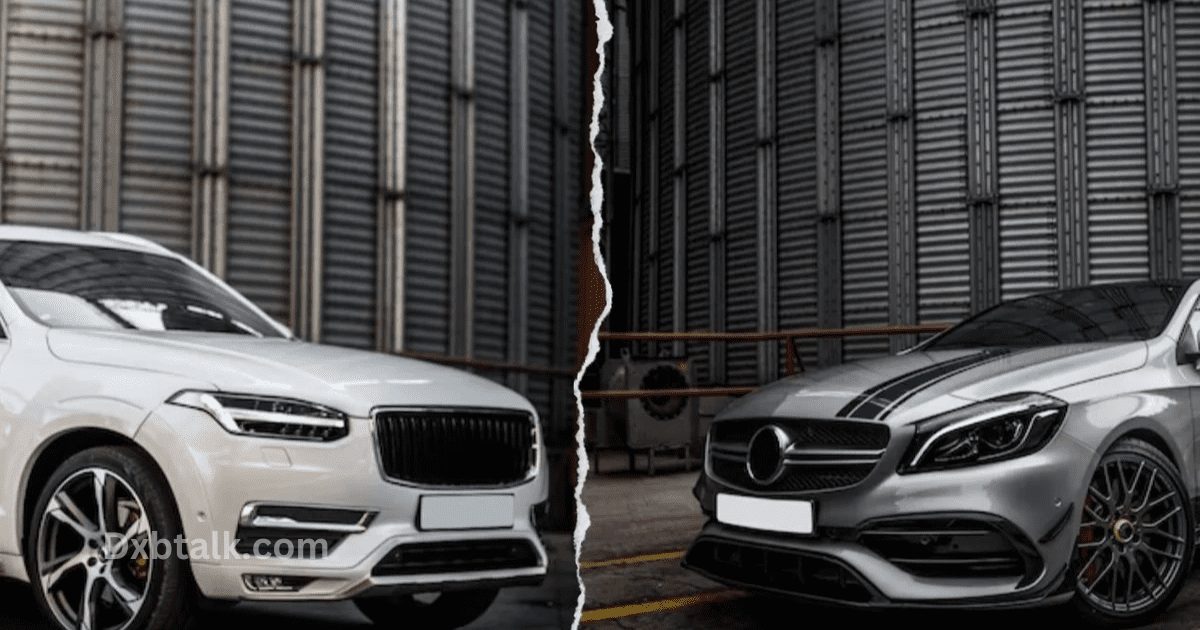
Every high-end car is a negotiation between two desires that pull in opposite directions: the wish to be cosseted and the wish to be thrilled. Luxury wants weight, quiet and softness. Performance wants lightness, noise and edge. The interesting question is not which one wins — it is how the best cars in the world refuse to choose, and how you, choosing one car, can find the balance that matches your actual life.
What Luxury Actually Means at This Level
Luxury in a high-end car is an atmosphere before it is a feature list: premium materials — leather, wood, carbon fibre, metal — worked by hand where hands can tell the difference; technology that removes effort, from flagship infotainment to controls that anticipate; and comfort-centric design in spacious cabins with massaging seats and adaptive suspension ironing the road flat. Rolls-Royce and Bentley are the pole stars of this philosophy: cars built as sanctuaries that happen to move, where the engine’s job is to be neither heard nor felt, only obeyed.
What Performance Actually Demands
Performance is a physical discipline: powerful engines, turbocharged or naturally aspirated, delivering serious horsepower; aerodynamics that manage air instead of merely parting it; and precision engineering in steering, braking and chassis that keeps physics politely at bay. The Ferrari 812 Superfast and the Lamborghini Aventador defined this pole for a generation — cars where comfort is welcome precisely as far as it does not cost a tenth of a second. Sit in one after a luxury saloon and the difference is not quality — both are superbly made — it is intent. One car wants to calm you. The other wants to wake you.
📸 Follow @dxbtalk1 on Instagram for daily Dubai in photos →
Where the Two Stop Fighting
The modern breakthrough is that the compromise has become a dial rather than a decision. Drive modes re-tune throttle, suspension, steering and gearbox in milliseconds; adaptive suspension rides softly to the circuit and hard around it; soundproofing lets a car be quiet at a cruise and theatrical at full throttle. Hence the great balancers: the Porsche 911 Turbo S, a race car wearing a tailored suit; the Aston Martin DB11, the classic grand tourer formula of power plus upholstery; the Mercedes-AMG S-Class, a limousine with a performance heart transplanted in. Look closer and each side secretly serves the other — luxury features like driver-centric cockpits and adaptive damping improve performance, while performance-bred safety systems and premium interiors raise luxury.
The Electric Plot Twist
Electrification has scrambled this old argument in a way nobody predicted. An electric powertrain delivers performance’s favourite numbers — instant torque, silent acceleration — using luxury’s favourite sensation: quiet. The electric flagships are simultaneously the smoothest and among the fastest cars on the road, which collapses the spectrum at the top end and pushes the difference back onto chassis tuning and intent. What remains genuinely opposed is weight against agility and isolation against feedback — engineering choices, not powertrain choices. The lesson for buyers is to stop asking whether a car is “luxury or performance” as a category question, and start asking the sharper one: what did its makers choose to optimise in the drive modes you will actually use, and does the car let you borrow the other pole when you want it? The best modern answers do both.
The Sedans, the SUV and the Decision
The proof that balance is now the mainstream: the BMW M5 Competition and Audi RS7 Sportback deliver track-capable speed in cars that can do the school run and the board run identically well, and the Lamborghini Urus built an entire category — the performance SUV that refuses to apologise for its opulence. So how do you choose your point on the spectrum? Start with purpose — daily commute, weekend escape or track days are three different cars wearing similar badges. Set the budget honestly, knowing the balanced cars cost more than either pure pole. And respect brand gravity: Rolls-Royce will always pull you toward calm, Ferrari toward fire, whatever the brochures promise. The ideal high-end car is not the one with the most of both. It is the one whose balance matches the driver you actually are on an ordinary Tuesday — with just enough of the other pole in reserve to make Friday interesting.






Join the conversation