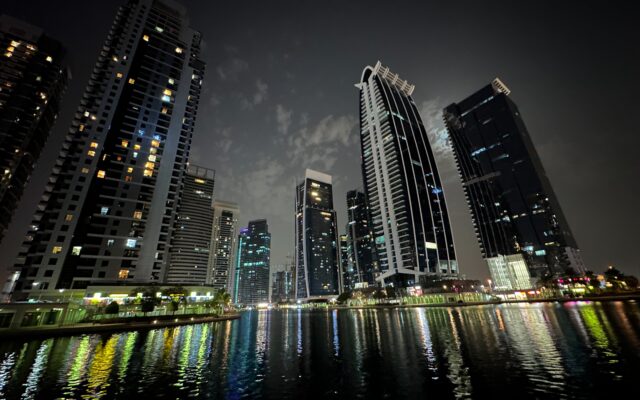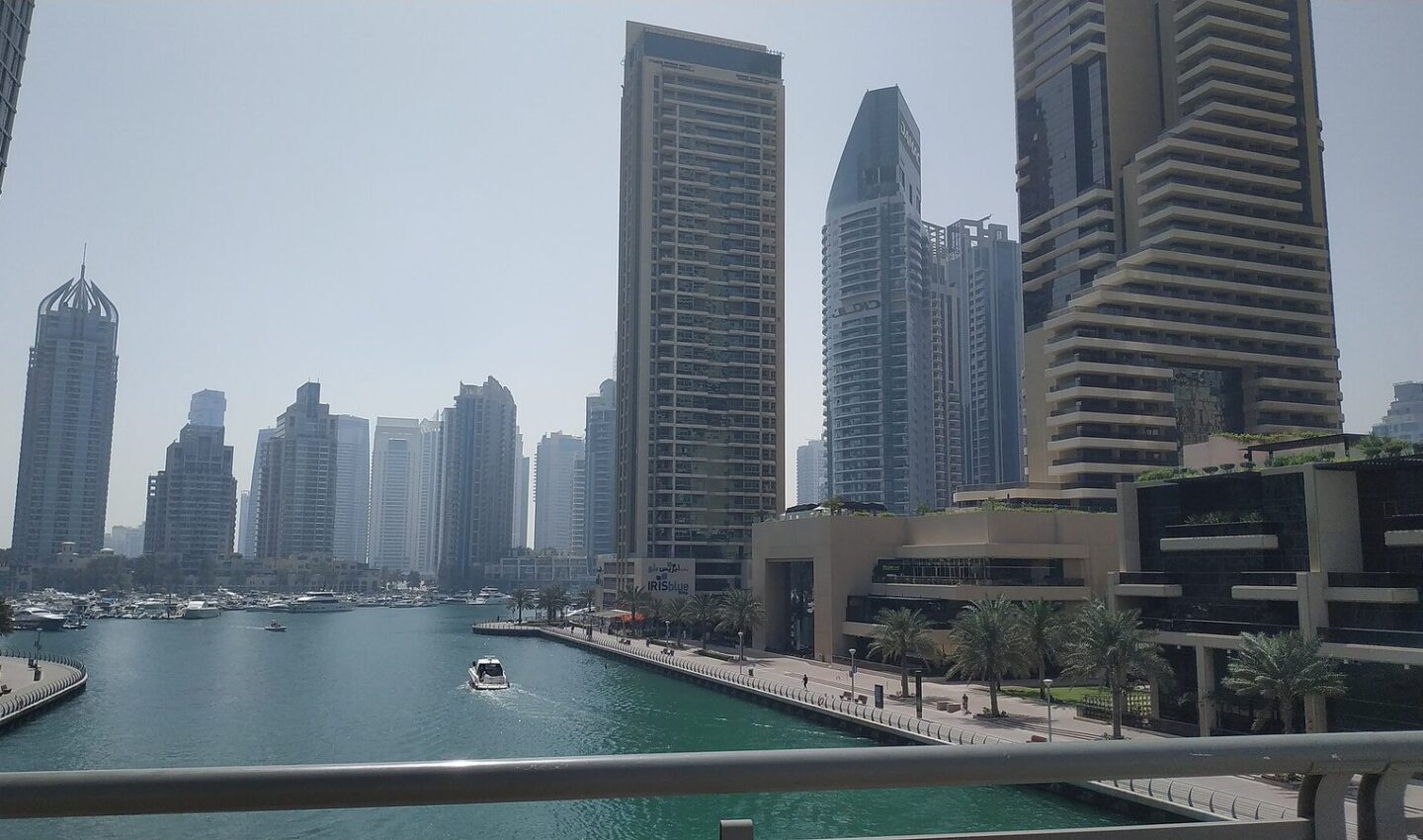
Settling in Dubai as someone from Djibouti means finding familiar flavours, languages and people in a city that is large, fast and very international. The good news is that Dubai’s Horn of Africa communities, French and Arabic-speaking networks, and wide range of African and Yemeni-influenced food make it easier to feel at home than the skyline first suggests. The trick is knowing where to look, and giving yourself time to build a small routine that feels like yours.
Where community tends to gather
Djiboutians in Dubai are a small community compared with some larger expatriate groups, so connections often grow through wider East African, Ethiopian, Somali and Yemeni circles, through mosques, workplaces and school gates rather than one single neighbourhood club. Areas such as Deira, Hor Al Anz, Al Nahda and parts of Sharjah next door are popular with many East African residents because rents have historically been more manageable there and the shops and cafés reflect that mix. Treat any specific venue as a starting tip, not a promise — businesses open and close quickly, so check recent reviews and visit in person.
Language helps. Arabic and French are both widely useful in Dubai, alongside English, and many Djiboutians find that combination opens doors in trade, logistics, hospitality and customer-facing work around the ports and free zones. Port and shipping links between Djibouti and the UAE also mean you may meet compatriots through work in Jebel Ali or the wider logistics sector.
Food that tastes like home
Look for East African and Yemeni restaurants and cafés for dishes built around rice, grilled meats, lentils, okra and flatbreads that will feel closer to home than a generic food court. Skudahkharis-style rice, suqaar, sambusa and sweet spiced tea are the kinds of flavours to search for on menus in Deira and International City’s cluster eateries. For home cooking, larger supermarkets and smaller African and South Asian grocers stock items such as:
- Rice, lentils, chickpeas and dried beans in bulk
- Mixed spice blends, cardamom and cumin
- Halal meat from dedicated butchers and supermarket counters
- Dates, honey and strong coffee for hosting at home
- Frozen and tinned goods from East African import brands, when in stock
Cooking groups and market runs quickly become social. Inviting colleagues or neighbours to share a home-cooked meal is still one of the fastest ways to turn acquaintances in Dubai into real friends.
📸 Follow @dxbtalk1 on Instagram for daily Dubai in photos →
Faith, family life and everyday comforts
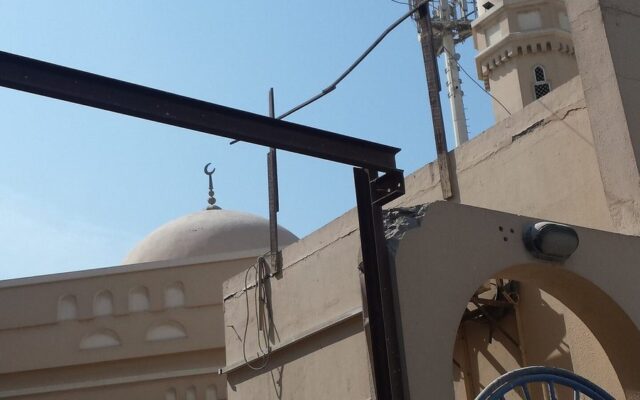
Dubai makes daily religious practice straightforward: mosques are plentiful, prayer facilities exist in most malls and workplaces, and halal food is the norm rather than the exception. During Ramadan, expect adjusted working hours, iftar gatherings and a city rhythm that will feel familiar, though public customs are worth learning in your first year. For families, the bigger questions are practical ones — school fees, which as a guide can run from a few thousand dirhams a year at modest options to far more at premium schools, clinic registration, and choosing an area with a commute you can live with.
Remittance shops, cargo services and travel agents serving East Africa are easy to find in older commercial districts, which helps with sending parcels, documents and money home. Always compare the exchange rate and fee together, and use licensed providers only.
Building a life, not just a posting
The residents who settle best tend to do three things early. They join something regular — a sports group, a language class, a community or faith activity — so the week has anchors beyond work. They learn the systems: Nol card for the Metro, Salik for road tolls, the official apps for utilities and government services. And they keep a small taste of home in the weekly routine, whether that is a Friday meal, a call home at a fixed time, or a café that knows their order.
Dubai rewards patience. Your first circle may be workmates, your second may be people from Djibouti and the wider region you meet through them, and within a year the city usually feels much smaller and kinder than it did in the first month.
FAQ
Is there a Djiboutian association or club in Dubai?
There is no widely listed formal association, so check with your consular representation and community or faith networks for current groups, and verify any event details through official channels before attending.
Where can I buy East African ingredients?
Start with large supermarkets for staples, then smaller grocers in Deira, Hor Al Anz and International City for imported brands. Stock varies, so ask shop staff what delivery days bring fresh arrivals.
How do families from Djibouti choose an area?
Most weigh rent, school access and commute together. As a guide, older districts often cost less but add travel time, while newer areas cost more and shorten the school run.
Home in Dubai is rarely found in one place — it is built, meal by meal and friend by friend. Explore more guides on DXB Talk and browse the full Lifestyle archive for the next step in your plan.