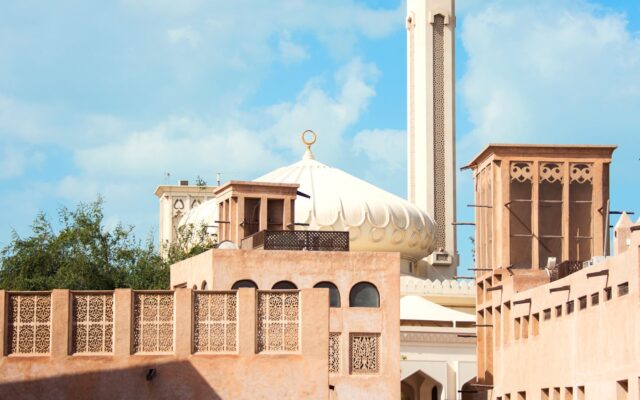
At sunset in Ramadan, something beautiful happens on mosque courtyards across Dubai. Long mats are unrolled. Trays appear — dates, water, juice, laban, then rice, chicken, fruit, sweets — carried out by volunteers who have been setting up for an hour. And then the doors of generosity swing wide: workers heading home, travellers, neighbours, the curious, the lonely, the simply hungry. Nobody is asked who they are, where they are from or whether they can pay. A hand points to an empty space on the mat. Sit. Eat. This is iftar at the mosque, and it may be the warmest table in the city.
The Hour Before Sunset
The scene builds quietly through the late afternoon. Volunteers — office workers in the morning, waiters of honour by evening — lay the rows, fill the water cups and arrange the date bowls. Donations behind these meals come from every direction: local businesses, families cooking extra at home, community groups, individuals who give anonymously and would be embarrassed to be thanked. Mosques in districts such as Deira, Satwa, Karama and Muhaisnah, and community tents across the city, serve gatherings ranging from a courtyard circle to hundreds of guests a night, every night of the month.
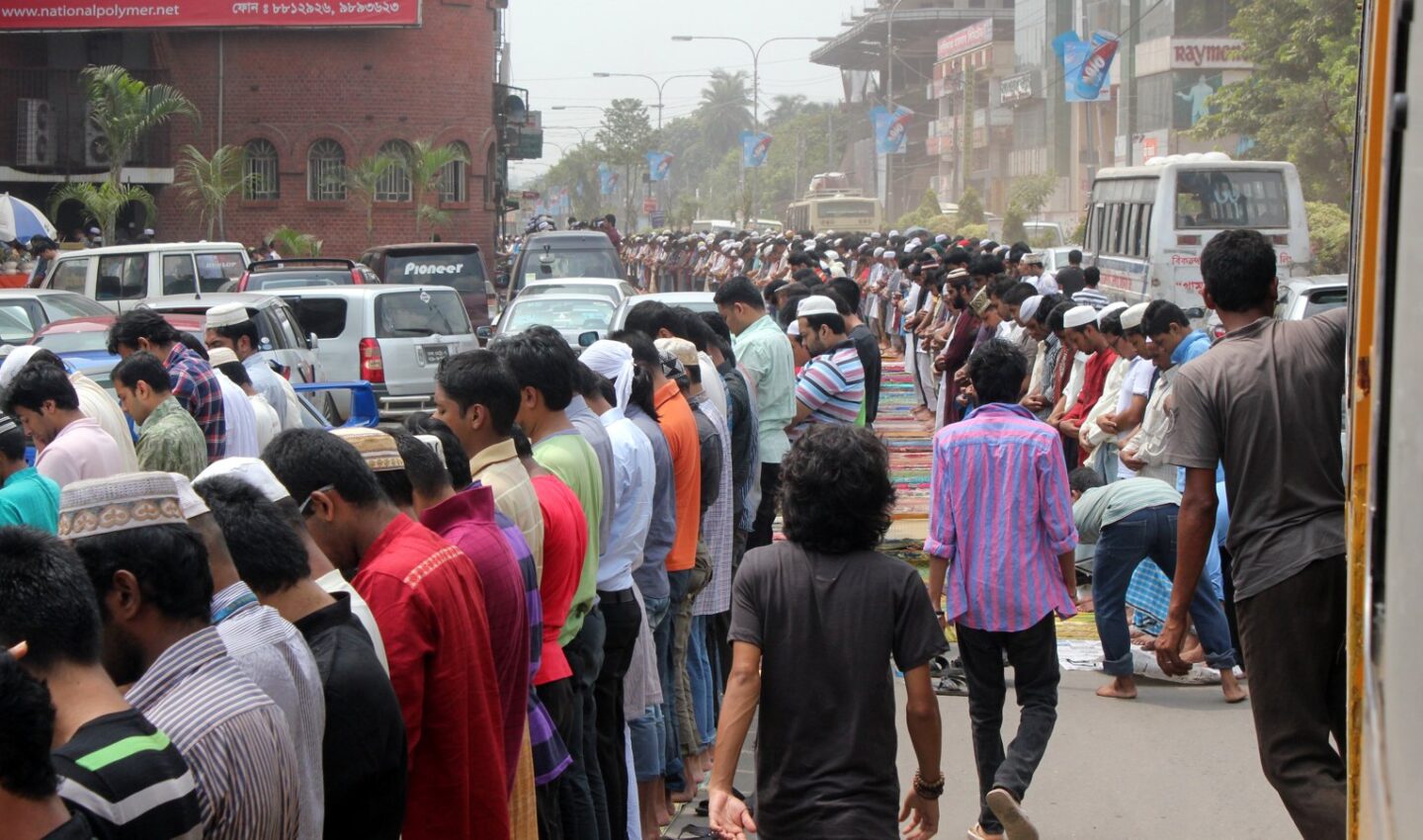
First-time guests are often astonished by the scale; regulars are astonished by the order. Hundreds of people, one signal — the Maghrib adhan — and the whole courtyard eats at once: a date, a sip of water, a pause for the prayer, then the meal proper, taken unhurriedly in the cooling air.
Strangers at the Same Mat
What moves people most is the company. The mosque iftar does not seat guests by category. The labourer from the nearby site sits beside the shop owner from the souk, who sits beside the student far from home, who sits beside the taxi driver whose family is in another country and whose iftar, without this courtyard, would be a sandwich in a parked car. Students of the city call these meals the real Dubai orientation: within a week of Ramadans spent on mosque mats, a newcomer knows more neighbours than a year of elevators provides.
Language helps less than appetite, which is fortunate — appetite needs no translation. Dishes are passed, extra portions pressed on the shy, second helpings treated as a compliment to everyone involved. Someone always notices the man eating alone at the edge and moves, without ceremony, to sit with him.
📸 Follow @dxbtalk1 on Instagram for daily Dubai in photos →
For Guests and the Curious
Non-Muslim friends and colleagues are commonly invited to mosque and community iftars, and the invitation should be taken as the honour it is. A few gentle notes help a guest relax: arrive before sunset, dress modestly, wait for the call to prayer before eating — your hosts will guide you — and accept what is offered with thanks, tasting a little of everything. You will not be preached at; you will be fed, asked about yourself, and very probably sent away with a container of leftovers you did not manage to refuse.
Dates and timings throughout Ramadan depend on the official moon-sighting announcements, and iftar arrangements at individual mosques vary, so guests follow their hosts’ lead and residents check local notices. The spirit, however, does not vary at all.
More Than a Meal
- Dignity is the first course. Everyone is a guest; nobody is a case.
- Volunteers eat last. The young men and women serving the rows take their own meal after the courtyard is fed.
- Leftovers travel. Surplus food is packed for night-shift workers and neighbours who could not come.
- It happens nightly. Not a gala — a habit, repeated for a whole month, year after year.
The Table With No Head
Fine dining in Dubai has a thousand addresses, but no restaurant in the city can seat you quite like this: on a mat, at sunset, between strangers who treat your hunger as their responsibility. Iftar at the mosque asks nothing and gives everything — food, company and a glimpse of generosity as an everyday practice. If Ramadan finds you in Dubai, and a hand points you to an empty space on the mat, sit down. You will remember the meal for years.
And when the courtyard is empty and the mats are rolled away, the feeling guests carry home is rarely about the food at all. It is about being wanted at a table you did nothing to earn. In a city of reservations and waiting lists, the mosque iftar keeps one table permanently open — and that may be the most Dubai story of all.