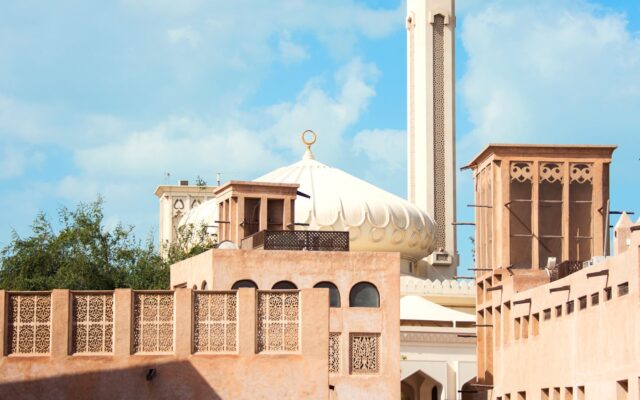
Newcomers to Dubai notice Friday before they understand it. Late in the morning, a city that never normally pauses begins to slow. Shops shutter, construction quietens, and streams of men and boys in fresh white thobes and families in their best clothes flow along the pavements in one direction — towards the mosques. About an hour later, just as suddenly, the city exhales: doors reopen, restaurants fill and Friday lunch begins. This is Jummah, the weekly Friday prayer, and seeing it through fresh eyes is one of the best introductions to how Dubai really works.
The Build-Up: A City Getting Ready
The signs start early. Barbers do a brisk trade on Thursday evenings. On Friday morning, families take a slow breakfast, children are dressed up rather than down, and there is a festive, unhurried feel quite unlike a weekday morning. In the villas and apartment blocks, cars are loaded and neighbours greet each other with a particular warmth: Jummah Mubarak — blessed Friday.
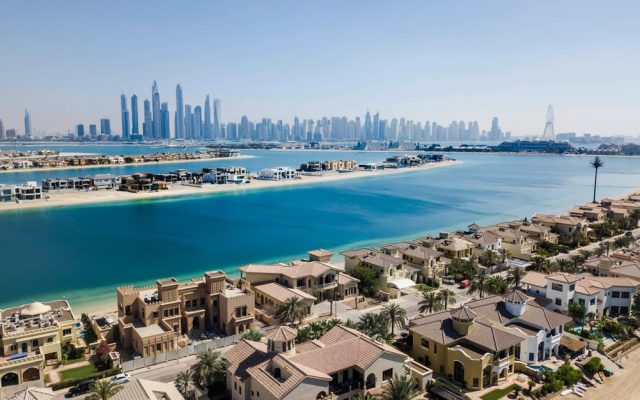
As midday approaches, the flow towards the mosques swells. In older districts such as Deira, Satwa and Bur Dubai, whole streets take on the character of a procession. In the tower districts, lifts and lobbies funnel residents towards the neighbourhood mosque or the cars that will take them to a family favourite across town. Visitors staying in hotels often notice it first as a wonderful stillness — the pool deck empties, the roads calm and the adhan rings out over a quietened city.
The Sermon and the Prayer
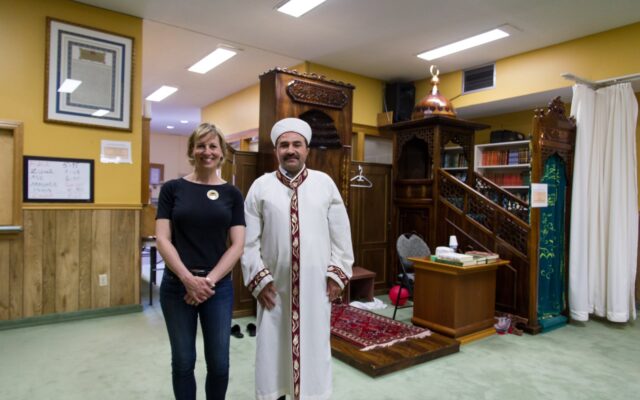
Inside the mosque, Friday differs from the other days of the week because of the khutbah, the sermon delivered before the prayer. Congregations sit and listen, often with the hall filling in near-silence, row by row. In the UAE the Friday khutbah is delivered in Arabic; worshippers who are still learning Arabic commonly follow the themes with the help of translation apps, printed summaries or booklets, and through conversation afterwards — the sermon is a shared point of discussion over lunch in many homes.
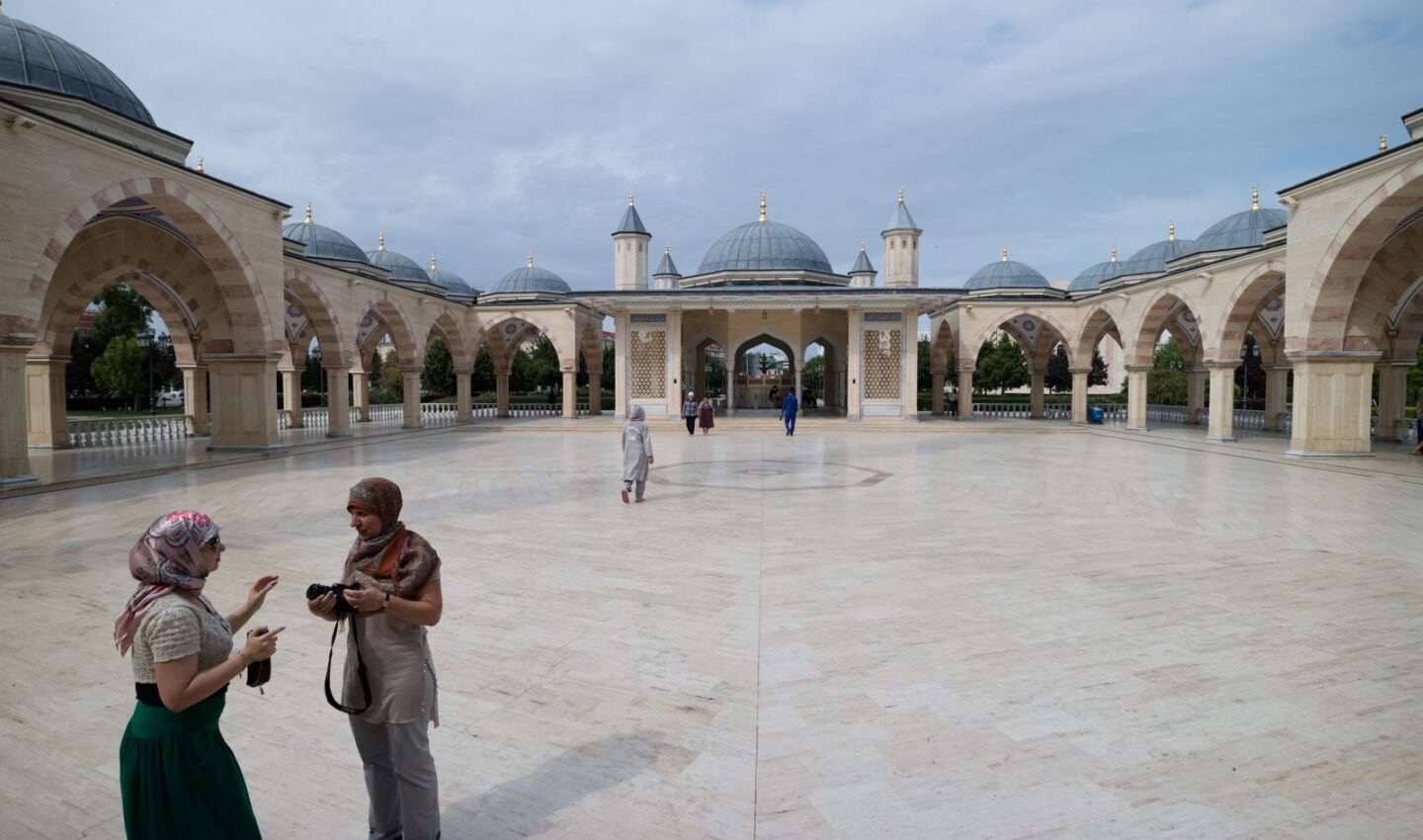
The prayer itself is shorter than visitors might expect, and when it ends the mood lifts instantly. Handshakes travel down the rows, embraces are exchanged at the doors, and children race for the courtyard. Worshippers spill out onto pavements and, on the busiest Fridays, mosques extend rows into courtyards and shaded areas to hold everyone who has come.
📸 Follow @dxbtalk1 on Instagram for daily Dubai in photos →
What Visitors Notice Around Town
- Shops and souks pause. Many small businesses close around the Friday prayer and reopen straight afterwards; malls and supermarkets generally trade on, with prayer rooms busy inside.
- Roads breathe. Traffic dips before the prayer and surges briefly after it, especially around popular mosques.
- Weekend timing. The UAE weekend falls on Saturday and Sunday, with Friday as a shorter, special day for many workers — Friday afternoon has its own relaxed, family rhythm.
- Lunch is the main event. The big meal of the week follows Jummah in most homes, often with extended family gathered.
Timing It Right
Friday prayer times shift through the year with the sun, so neither residents nor visitors should rely on a fixed clock time. Check the official UAE prayer calendar or a prayer times app for the day in question. If you are travelling across the city on a Friday, allow a little extra time around the middle of the day. If you are a worshipper heading to a popular mosque, arrive early — the best rows, and the easiest parking, go quickly.
Small Details That Stay With You
It is often the details that newcomers retell later. The scent of oud drifting from doorways as families leave. The shoe racks overflowing at a popular mosque, and the good-humoured hunt for a matching pair afterwards. The elderly man who has claimed the same corner for thirty years and is gently guided to it by teenagers he has watched grow up. The tray of sweets pressed on children at the doors in some neighbourhoods, and the way whole streets smell of lunch by two o’clock. None of these things appear in guidebooks, yet together they explain why Friday, for so many Dubai families, is not simply a day off with a prayer in it, but a prayer with a whole day arranged lovingly around it.
The Week’s Heartbeat
Stay in Dubai a month and you stop seeing Friday as an interruption and start feeling it as a heartbeat. Work stops, families gather, a whole city stands in rows at the same hour, and then life resumes, softened and reordered. Visitors often say it is the moment Dubai stopped being a skyline for them and became a community. Watch it once with attention, and you will understand why.