Dubai receives millions of visitors a year and the overwhelming majority have an untroubled time — the city is welcoming, safe and accustomed to guests. The small minority who run into awkwardness usually do so over etiquette rather than law: a photograph that should not have been taken, a dress choice wrong for the setting, a custom nobody mentioned. A little local knowledge in advance removes the whole category. Consider this the briefing nobody gives you at the airport.
Dress and Public Behaviour
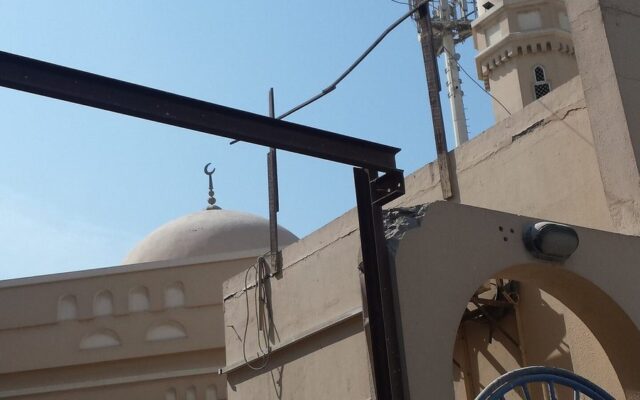
The calibration to understand is that Dubai is two things at once: a cosmopolitan global city and a Muslim-majority society with conservative public norms, and both are fully real. In practice the dress rule is contextual. Beaches, pools and water parks are swimwear territory; malls, public streets, government buildings and traditional neighbourhoods call for modest dress — shoulders and knees covered is the reliable shorthand — and religious sites set the strictest standard of all, which visitors should meet gladly or admire from outside. Public behaviour follows the same logic of respect: keep displays of affection discreet, keep conduct measured, and remember that you are a guest in someone else’s everyday city, not an audience at a resort. None of this is oppressive to observe; millions of visitors manage it without noticing the effort by the second day.
The Camera Is a Responsibility
Photography is where visitors most often err innocently, so learn its rules properly. Always ask before photographing people — particularly women and families — and accept a refusal with immediate grace. Never photograph military installations, government buildings or restricted sites, whatever the angle tempts you to do. In private venues, check the establishment’s policy before filming; in public, when in doubt, leave the camera down. The principle underneath is simple: in this culture, a person’s image belongs to them, and the camera that respects that will be welcomed back everywhere.
📸 Follow @dxbtalk1 on Instagram for daily Dubai in photos →
Food, Drink and the Social Graces
Alcohol exists in Dubai inside a clear boundary: it is served in licensed venues and only there, and drinking in public outside them is not permitted. During Ramadan, the courtesies deepen — eating, drinking and smoking in public during fasting hours is discouraged out of respect for those fasting, and a little discretion costs the visitor nothing. The social side, meanwhile, runs warm. Greetings matter: handshakes are common in business, a hand placed on the heart is a respectful gesture in more traditional settings, and taking thirty seconds over hello is never wasted. In conversation, family, food and the city itself are welcome ground; pressing personal questions of new acquaintances is not. When genuinely unsure how to behave in a moment, deploy the traveller’s oldest instrument: watch what the locals do, and follow their lead with good humour.
Ramadan: The Month With Its Own Courtesy
If your visit falls in the holy month, the etiquette deepens slightly and rewards the effort of understanding it. The city reorganises around the fast — quieter public days, evenings that bloom after sunset — and the visitor’s part is mostly discretion: refraining from eating, drinking and smoking in public during fasting hours, dressing a touch more conservatively, and accepting the slower daytime pace as the month’s texture rather than an inconvenience. What you receive in return is access to the city’s most generous season: the iftar meals where the fast is broken communally at sunset, to which guests are warmly welcomed, and a nightly atmosphere of celebration that many visitors count as the highlight of their trip. No month teaches the etiquette lesson faster: respect the rhythm, and the rhythm includes you in it.
Customs and regulations do evolve, so a quick check of current official guidance before travelling is the final wise step. But the heart of the subject never changes: etiquette in Dubai is not a system of restrictions to be feared. It is a language of mutual respect — and visitors who speak even a little of it find the city speaking warmly back.