

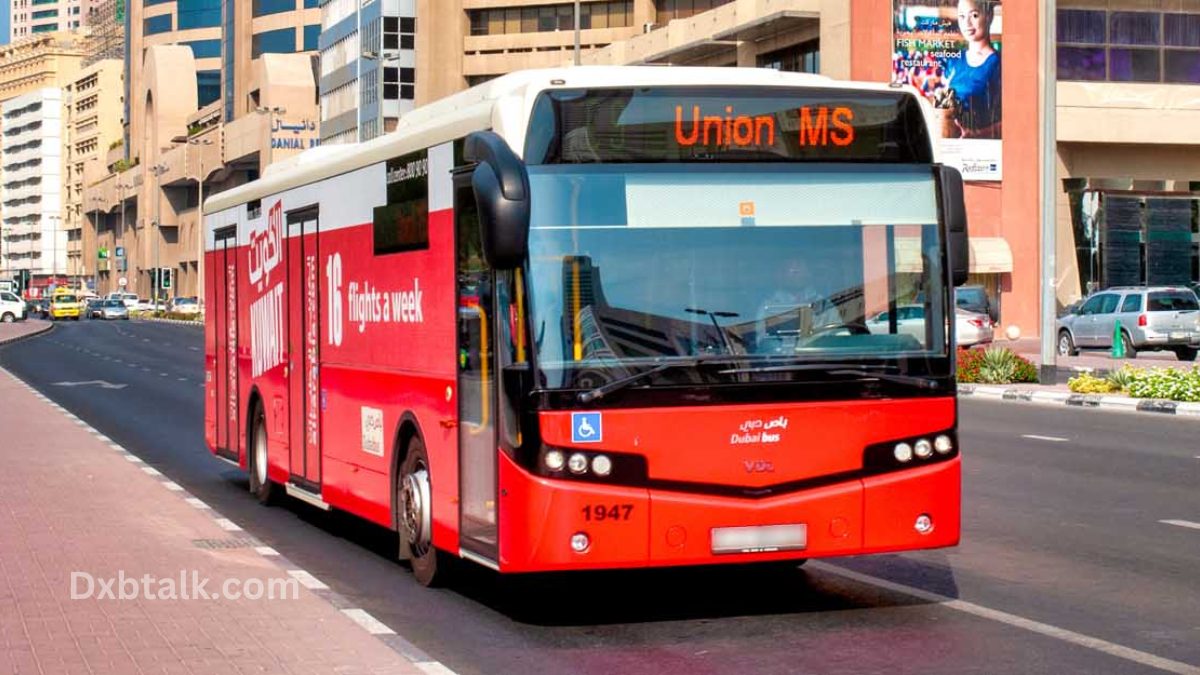
Dubai’s car culture gets the headlines, but a parallel city moves by train, tram, bus and boat — and for the daily commute, it is often the smarter city. The network the Roads and Transport Authority has built is young, air-conditioned to a standard that borders on luxurious, and stitched together by a single payment card. For commuters, the question is not whether public transport works here. It is which combination of it fits your corridor. Here is the system, mode by mode.
The Metro: The Spine of the Commute
The Dubai Metro carries the network’s weight, and for most commuters it is the default answer. Two lines — Red, running the length of Sheikh Zayed Road from the Jebel Ali side to Rashidiya, and Green, looping through the old city around the Creek — intersect at two interchange stations and together cover most of the established city’s employment and residential map. The trains are driverless, frequent enough at peak that timetables barely matter, and the stations are cool, clean and patrolled. Cabins divide into classes, including a Gold Class at the front for those who pay for the quiet, and cars reserved for women and children. For the commuter, the Metro’s argument is not cost, though it is cheap. It is certainty: the Sheikh Zayed Road peak can be read in brake lights, while the train above it simply arrives.
The Nol Card: One Key for Everything
The whole network runs on the Nol card, the stored-value smart card that opens the Metro gates, the tram, the buses and the paid parking meters besides. Different tiers serve different riders — the standard silver card for most commuters, gold for the upgraded cabin, personalised and concession cards for students, seniors and others who qualify. The commuter’s craft is in the details: keep the card topped up through the app so no gate ever refuses you, register it so a lost card does not mean a lost balance, and let the fare system’s daily and zonal logic work in your favour rather than paying per ride in panic. One card, every mode, no tickets: it is the piece of the system residents praise most, usually while tapping through a gate.
📸 Follow @dxbtalk1 on Instagram for daily Dubai in photos →
Tram and Buses: The Connective Tissue
The Dubai Tram serves the corridor the Metro passes by: an Al Sufouh loop connecting the Marina, JBR and the Media City side of town, interchanging with the Metro at two points and solving the last-mile problem for one of the densest residential districts in the city. The bus network is the true connective tissue — hundreds of routes feeding the Metro stations from every neighbourhood, air-conditioned shelters included, and the only mode that reaches the districts the rails do not. Commuters underestimate it because it shares the roads; on the right route at the right hour, particularly the station feeders, it is precise and comfortable. Taxis and ride-hailing complete the system rather than competing with it: the sensible commuter uses them for the first and last kilometre, in the rain of a schedule that cannot slip, and lets the trains carry the distance.
Water: The Commuter’s Wildcard
Dubai’s oldest transport still works. The abras crossing the Creek carry commuters as they have for generations — the shortest, cheapest and most pleasant link between Bur Dubai and Deira — while water taxis and ferries serve routes along the coast and the Canal for those whose map fits them. Few residents build a whole commute on the water, but for the Creek-side worker it is not a novelty; it is the fastest line on their personal network, with the best view in public transport anywhere.
Building Your Commute
The system’s final lesson is strategic. Commuters who thrive on it choose their home with the map open: a flat near a station converts the entire network into a personal asset, and a commute against the peak flow — living on the quiet side of the morning direction — is worth real money in any negotiation. Check the first and last trains against your actual hours, learn your corridor’s peak windows in the first fortnight, and keep the car, if you have one, for the journeys it is genuinely better at. Dubai built its public transport late and built it properly. For a growing share of its commuters, the best car in the city is the train they do not own.



Join the conversation