

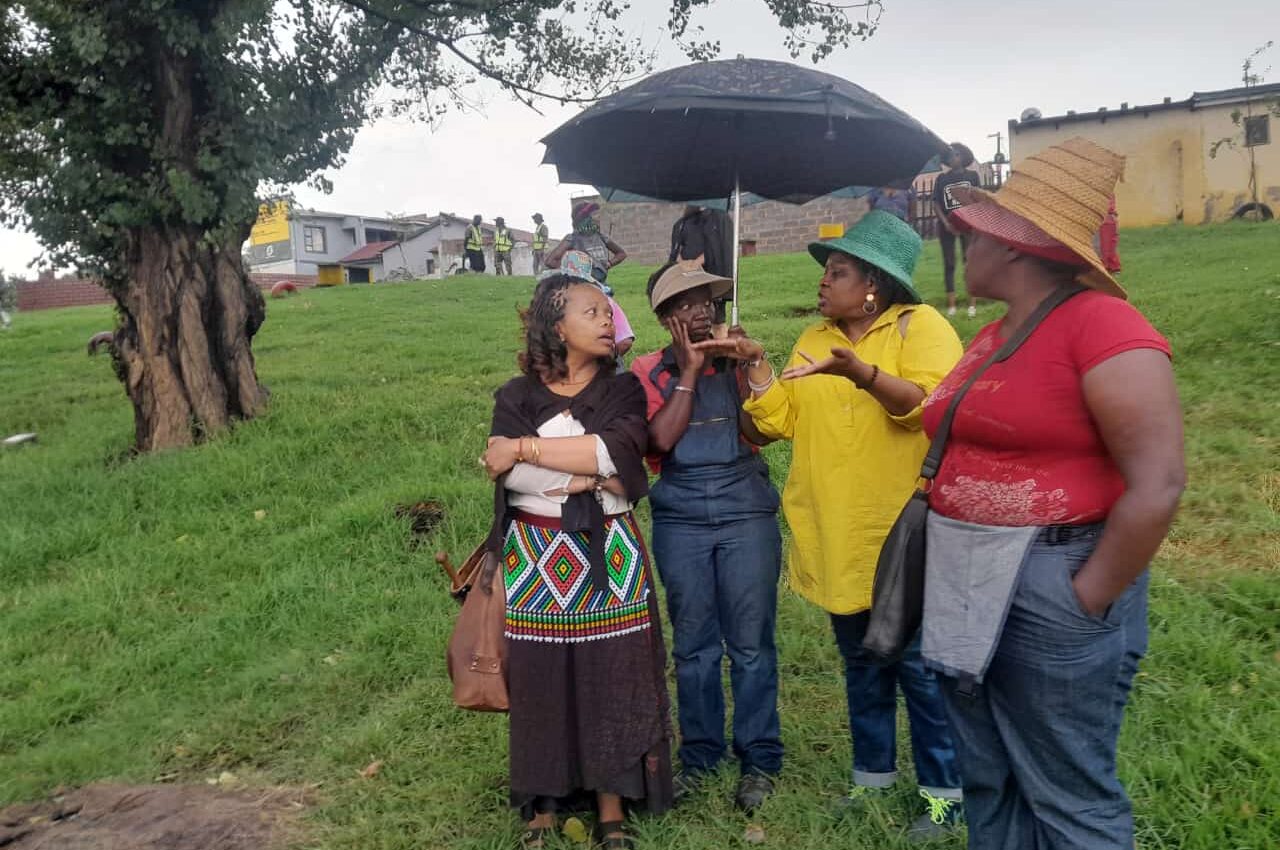
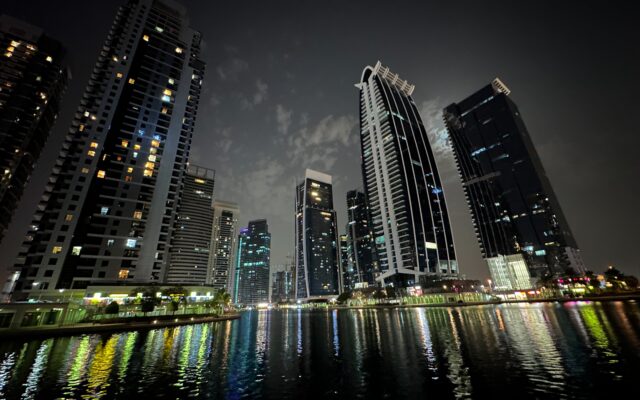
Long before Dubai had printing presses, it had voices. Stories were the city’s first archive — carried around campfires, across pearl-diving decks and through majlis evenings — and the habit never left. Storytelling in Dubai today runs from Bedouin oral tradition to a world-class literature festival, from the souks’ living theatre to the podcasts recorded in JLT studios, and it holds the culture together in a city where nearly two hundred nationalities need shared narratives to belong to. This is the map of how Dubai tells its stories, and why the art matters more here than almost anywhere.
Hikayat: Stories Around the Fire
The root tradition is the hikayat — the tale told aloud, in the Bedouin manner, to a circle that has nowhere else to be. Desert storytelling was never mere entertainment. The tales carried genealogy, tribal memory, moral instruction and the practical wisdom of survival — where water hides, how weather turns, what courage costs — wrapped in adventure so the lessons would travel. The storyteller held a social office closer to historian than performer. In a landscape that punished illiteracy in its archives — paper does not survive sand and salt air — memory performed aloud was the most durable technology the culture had.
Nabati Poetry: The People’s Verse
Where the tale was prose, the poem was Nabati — the vernacular verse Emiratis call the people’s poetry, composed in the spoken dialect rather than classical Arabic and carried for centuries by recitation. Nabati poems record love, loss, falconry, the sea and the land itself, and the form never went into a museum: it is still composed, still televised, still recited at gatherings, and still practised at the very top of society — Dubai’s own ruling family counts published poets. Poetry in this culture is storytelling with the rhythm left in, and its survival into the satellite age tells you how seriously the Emirates takes the spoken word.
📸 Follow @dxbtalk1 on Instagram for daily Dubai in photos →
Places That Tell the Story
Some of Dubai’s storytellers are buildings. The Al Fahidi Historical Neighbourhood narrates the merchant city in coral stone and wind towers — its lanes, museums and the Sheikh Mohammed Centre for Cultural Understanding turning the pre-oil decades into something a visitor can walk through and question over breakfast. The souks perform the commercial chapters live: the Gold Souk’s blazing windows, the Spice Souk’s scented sacks, the Textile Souk across the Creek in Bur Dubai, each stallholder a narrator of trade routes older than the state. Heritage, in Dubai, is not behind glass only — much of it is still open for business.
Stories at Work: The Corporate Chapter
Dubai’s business culture absorbed the lesson early: in a market of two hundred nationalities, the brands that win are the ones that can tell a story all of them can enter. The city’s companies — from its airlines and developers to the smallest café in Al Quoz — practise narrative as a core skill, building campaigns around heritage, ambition and the transformation myth Dubai itself embodies. Government storytelling works the same way: new initiatives arrive as stories with protagonists and horizons, not merely as regulations. It can look like marketing, and sometimes it is. But in a young city still introducing its people to one another, the corporate chapter of storytelling does real civic work alongside the commercial kind.
The Festival Shelf and the New Majlis
The modern city formalised its love of narrative at scale. The Emirates Airline Festival of Literature brings the world’s novelists, historians and poets to Dubai each year, and storytime sessions at the Dubai Public Libraries seed the habit in the next generation — children hearing tales in the same oral-first spirit, now with better lighting. And the newest majlis is digital: podcasts, short-form video and social channels carry Dubai stories — its history, neighbourhoods and astonishing cast of residents — to audiences the campfire could never have reached. The medium keeps changing. The instinct does not: a city this new, built this fast, by people from everywhere, needs its stories told well and told often, because the stories are how the place explains itself to itself.



Join the conversation