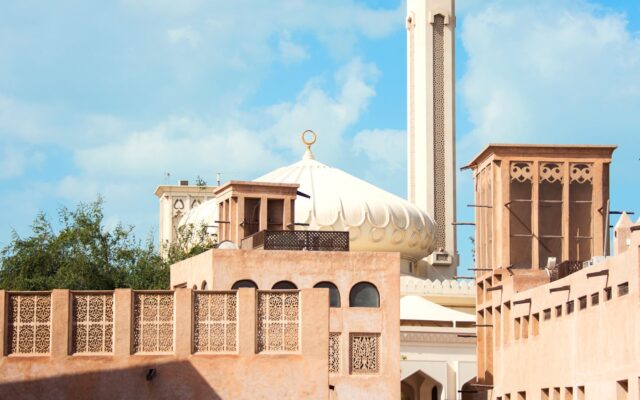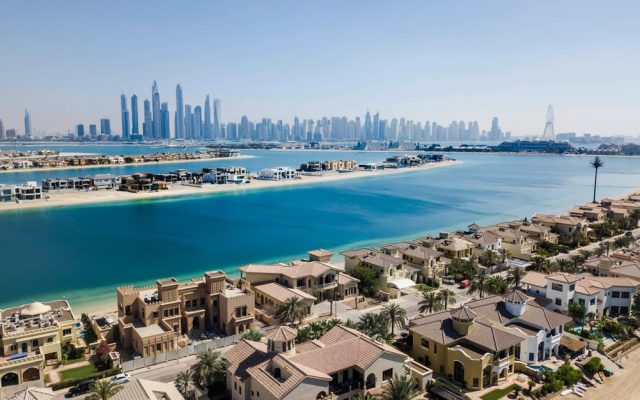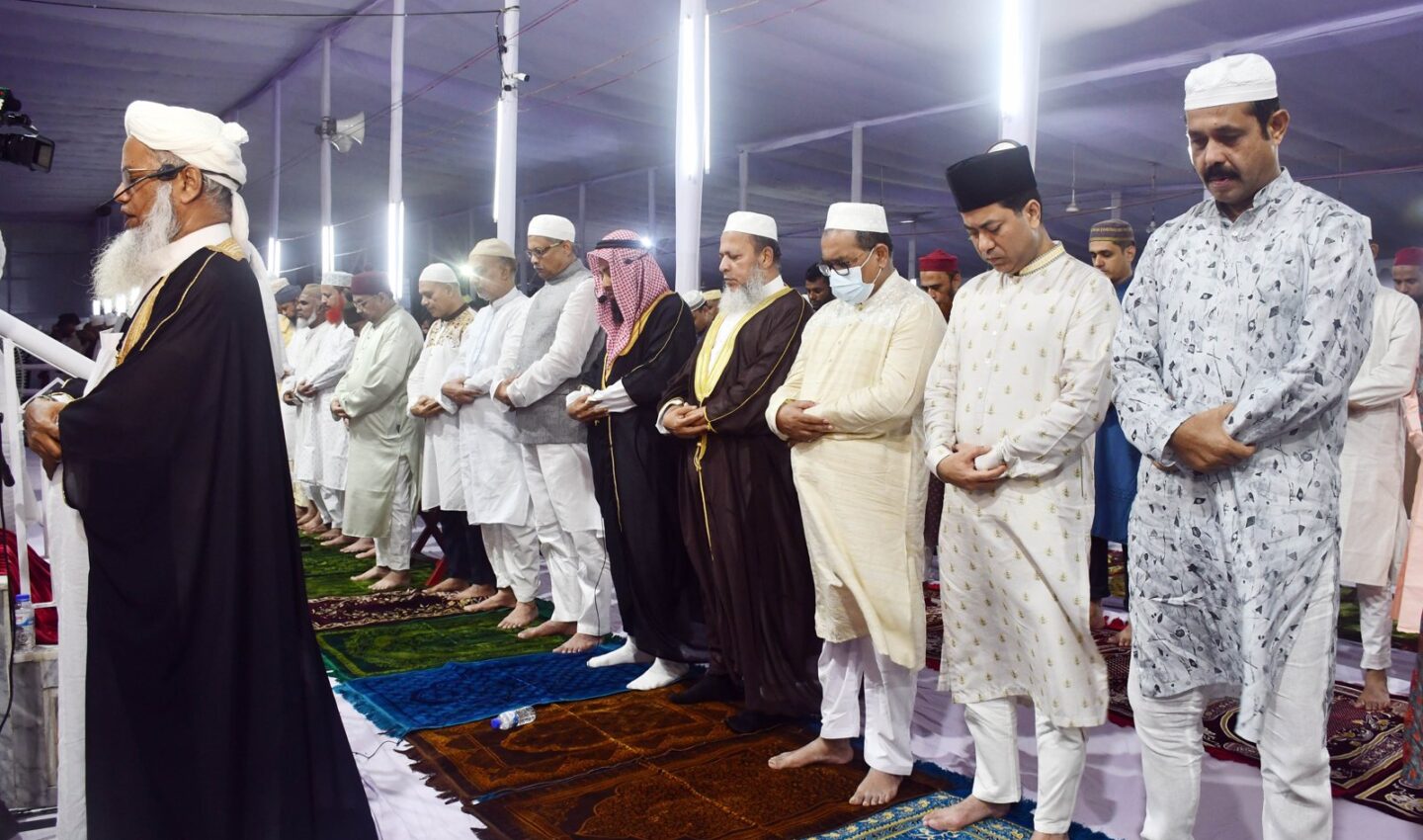
Outside the mosque, Dubai sorts people relentlessly — by job title, by salary band, by the car they drive and the tower they live in. Inside the mosque, the sorting stops at the shoe rack. The same carpet receives the executive and the delivery rider, the surgeon and the street sweeper, standing in one row in their socks, indistinguishable by rank. Ask regular worshippers what they love most about prayer in Dubai and this sight comes up again and again: CEOs and cleaners in the same row, and nobody in that row finding it remarkable at all.
The Carpet Does Not Care
The mechanics of equality are beautifully simple. A mosque has no membership tiers and no reserved places. The front row — the most valued position — belongs to whoever arrives earliest, which on any given day may be the retired watchman who walks over at a gentle pace, not the busy manager racing from a meeting. Shoes, the great giveaway of wealth and taste, are all abandoned together at the door in companionable heaps. Phones are silenced. Titles are not announced. What remains is a row of people, equal in the only way the room measures.
Uniforms tell the story at a glance at Asr in a business district mosque: a banker’s suit beside a courier’s hi-vis, a chef’s whites beside a schoolboy’s uniform, an Emirati official’s immaculate thobe beside a labourer’s worn shalwar — each man having come straight from a workplace where their stations could not be more different, each standing now in the one place where it counts for nothing.
Stories the Row Tells
Listen to worshippers and the row produces stories. The company director who always seeks out the same spot will tell you he prays beside his own office driver most Fridays, and that the driver — a hafiz who knows the Quran by heart — is the one he asks when he has a question. The elderly cleaner who has attended the same mosque for twenty years is greeted by name by bankers. At Ramadan iftars, the man funding the meal and the man receiving it sit on the same mat, and the food tastes the same.
None of this requires anyone to pretend that the world outside is equal. The row makes no such claim. Its claim is smaller and stronger: that for these minutes, in this room, worth is not measured in dirhams, and everyone — everyone — has an equal right to stand at the front if they come early enough to earn it.
📸 Follow @dxbtalk1 on Instagram for daily Dubai in photos →
What It Teaches the Young
Children absorb the lesson without a word of instruction. A boy standing between his father, a manager, and the father’s own employee watches them bow at the same moment, hears the same greeting pass between them afterwards, and files away an understanding of dignity that no classroom poster delivers as well. Fathers in Dubai mention this deliberately: I want my son to see it. The mosque row becomes one of the city’s quiet schools of character.
For newcomers working their first job in the Gulf, far from home and low in every hierarchy the city keeps, the experience cuts the other way — it restores. Whatever the day has said about your value, the evening prayer says something different, in a row where you are wanted exactly where you stand.
After Prayer, the Handshake
The equality survives the final greeting. Handshakes pass down the row without checking job titles first. The director asks the driver about his family. The teenager helps the chairman — whom he does not know is a chairman — to find his shoes. Conversations start in the mosque that could never start in the office lift, because in the lift everyone knows the order of things, and here, blessedly, there is none.
Dubai’s Most Radical Room
For a city built on superlatives, its most radical space may be its plainest: a carpeted hall where the only hierarchy is who arrived first and who stands straightest in devotion. CEOs and cleaners leave by the same door, into the same street, returned to a world of ranks — but carrying, five times a day, the memory of a row where ranks dissolved. People who pray in Dubai say the city is better for that memory. Watching the row, it is hard to disagree.