Every Dubai mosque has them, and every regular knows their names. The white-bearded gentleman who has prayed in the same spot for twenty years. The elder who arrives with a walking stick and leaves with an entourage of young men offering arms. The grandmother in the women’s section whose duas everyone quietly asks for. They are the front row elders — not always literally in the front row, but always at the front of the community’s respect — and the way Dubai’s mosques treat them is a masterclass in manners, taught without a single word of instruction.
Known to Everyone
In a city famous for change, the elders of the mosque are its continuity. Buildings rise and neighbourhoods transform, but the same faces anchor the rows decade after decade. They remember when the mosque was smaller, when the district was quieter, when the imam was a younger man. Newcomers are measured, gently, against their steadiness — and the elders, for their part, keep an unofficial register of the whole community in their heads. They notice who has arrived in Dubai, whose son has started school, who has not been seen for two Fridays and might need a visit.
That attention flows both ways. A mosque where the elders are flourishing is a mosque with a memory, and communities protect that memory carefully. Ask after any regular elder and you will be told his story with the pride of family — because by every measure that matters, he is.
The Chair Placed Quietly Behind
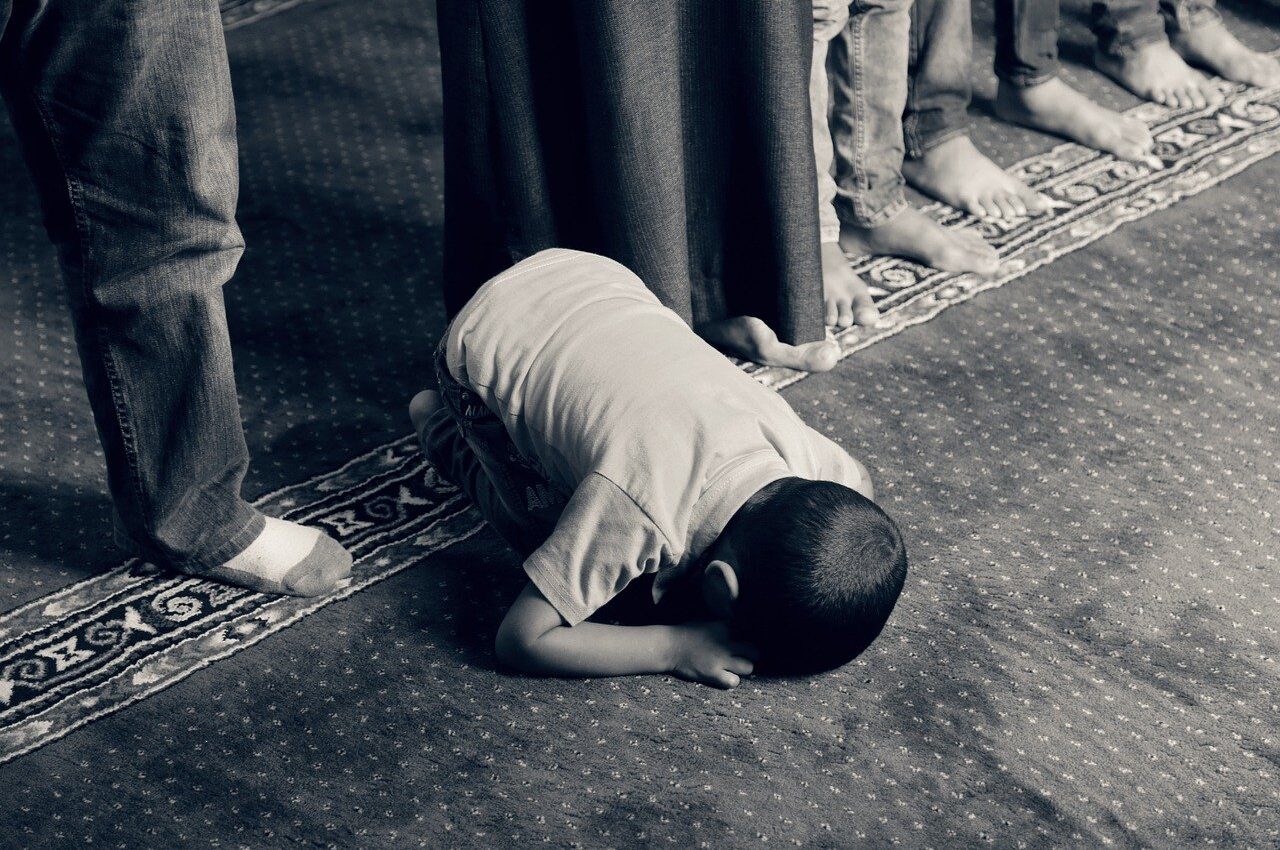
Respect in a Dubai mosque is rarely announced. It is enacted, in small physical kindnesses so habitual that regulars perform them without thinking. A chair appears behind an elder whose knees no longer allow prostration on the floor — placed there by a teenager who noticed him arriving. A space opens in the row without being asked. A young man slows his walk to the pace of the walking stick beside him, and treats the slower pace as an honour rather than a delay.
- The saved spot: regulars keep an elder’s usual place free, and he is missed aloud when absent.
- The offered arm: steps, slopes and shoe racks are navigated together, never alone.
- The first greeting: after prayer, the young seek out the old before they seek out each other.
- The listened-to story: an elder’s five-minute memory is received like the valuable thing it is.
📸 Follow @dxbtalk1 on Instagram for daily Dubai in photos →
Teenagers, Trained by Example
Perhaps the finest product of this culture is what it does to the young. Nobody lectures Dubai’s teenagers about respecting elders — they would find the lecture strange, because they have watched the behaviour modelled every week of their lives. The schoolboy who places the chair today was the toddler who watched his father place it. Respect is transmitted the way prayer is transmitted in these rooms: by standing next to someone who does it, until it becomes your own movement.
You see it after Friday prayer especially, when the courtyard fills with handshakes. Watch the order of them. The young men move towards the elders first, take their hands in both of theirs, bend slightly, ask after their health with genuine interest. It is not performance. It is the local grammar of love, learned so young that it feels like instinct.
Wisdom on Tap
The elders give as good as they get. They are the mosque’s living library: advice on work, marriage, patience and grief, dispensed in courtyards and car parks to anyone wise enough to ask. A young father worried about a decision, a worker homesick for a village far away, a student before exams — all find their way to the same white beards. The counsel is rarely long. It has been distilled over eighty years, and it tends to fit in a sentence.
They also keep the community stitched to its own history, telling the new arrivals how this neighbourhood, this mosque, this city used to be — a gift in a place that reinvents itself as fast as Dubai does.
The Row Is Never Really Empty
In time, of course, an elder’s spot does fall empty, and the way a Dubai mosque absorbs that loss tells you everything about the culture the elders built. They are remembered by name, prayed for by people they once steadied in the row, and succeeded — quietly — by the next generation moving one place forward, a little greyer, placing chairs now for others.
That is the circle of the front row. Honour given, honour learned, honour passed on. In Dubai’s mosques, respect across the generations is not a programme or a policy. It is simply what the room teaches everyone who stands in it — five times a day, shoulder to shoulder, young and old together.