

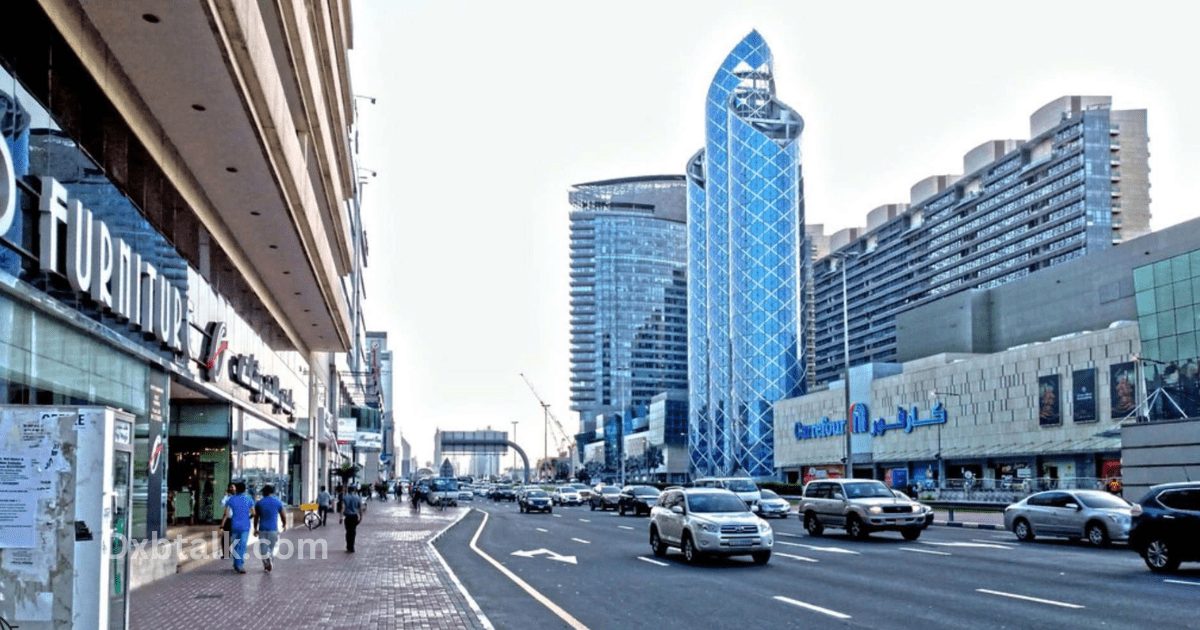
The worst souvenir is the one bought in an airport at the end, identical in every city on earth. The best ones come from districts like Al Karama — where the keepsake was made, blended or sewn by someone you watched working, costs a fraction of the mall version, and carries the neighbourhood home with it. Karama has been Dubai’s souvenir district for the residents long before visitors found it. Here is how to shop it like someone who wants the object and the story.
Start at the Market Blocks: Handicrafts With Hands in Them
The Karama Market blocks are the natural first stop — stalls and small shops dense with handicrafts, decorative pieces, textiles and the cheerful trinkets every trip needs a few of. Look past the front rows for the handmade work: carved and painted pieces, pottery, woven goods and jewellery made in small runs rather than shipped by the container. The test of a Karama souvenir is simple — can the seller tell you where it came from or who made it? The closer the answer gets to a person, the better the object will feel on a shelf at home in five years. Handmade here is not a marketing word; it is the district’s default setting, and prices assume a neighbourhood’s budgets rather than a tourist zone’s.
Wearable Souvenirs: Kaftans, Abayas and Tailored Gifts
Karama’s clothing shops make its most elegant argument. Kaftans and abayas in fabrics and finishes that would sit in a mall boutique at three times the price hang here in rows, and the district’s tailors can adjust a chosen piece to its wearer before you fly — a gift that fits is a different species from a gift that approximates. Traditional menswear, children’s festive outfits and the scarves and shawls that travel in any luggage fill out the wearable list. For the person at home who is hardest to buy for, a garment carries what a ornament cannot: it gets used, and every use retells the trip.
📸 Follow @dxbtalk1 on Instagram for daily Dubai in photos →
Souvenirs You Can Smell and Taste
The district’s perfume shops sell the souvenir Dubai has exported for centuries: Arabic perfumes and oils — oud, musk, amber — blended and bottled while you watch, in flacons that range from the modest to the jewelled. A scent is the most portable memory there is, and the one most likely to be re-ordered by letter for years. The spice shops complete the edible archive: saffron, spice blends, dried limes and the region’s teas, packed for the suitcase and priced for the neighbourhood’s own kitchens. Buy these the local way — small quantities of the good stuff, chosen by nose with the shopkeeper’s guidance — and your cooking at home will keep filing reports from the trip long after the photographs are archived.
Art and the Street Level
For something no other traveller will own, look at Karama’s walls and then its galleries: local artists sell paintings, prints and sculptures that take the district and the city as their subject, and a small work on paper travels in a tube and arrives home as the trip’s most personal artefact. Street vendors through the blocks sell the smallest tier — handmade trinkets and crafts with a maker’s touch and a price that invites generosity — and the periodic local markets and pop-ups are where the artisan community shows its newest work. Follow the district’s noticeboards and the shops’ own announcements; these markets are announced locally and reward the traveller whose dates happen to meet them.
Buying Well: The Karama Method
A few habits make the haul better. Think in suitcases: weight, fragility and the rules of your home country on foodstuffs and woods before the heart commits. Ask for pieces to be wrapped for travel — these shops pack for emigrants as a profession and do it superbly. Bargain in the district’s friendly register, knowing the fair price is usually found a few shops into the comparison. And hold the principle that organises all of it: buy the thing with a story attached — the perfume blended for you, the kaftan the tailor altered, the print the artist signed — because a souvenir’s job is not to prove you went. It is to keep the place alive at home, and Karama, which has never needed a logo to be itself, supplies exactly that.






Join the conversation