

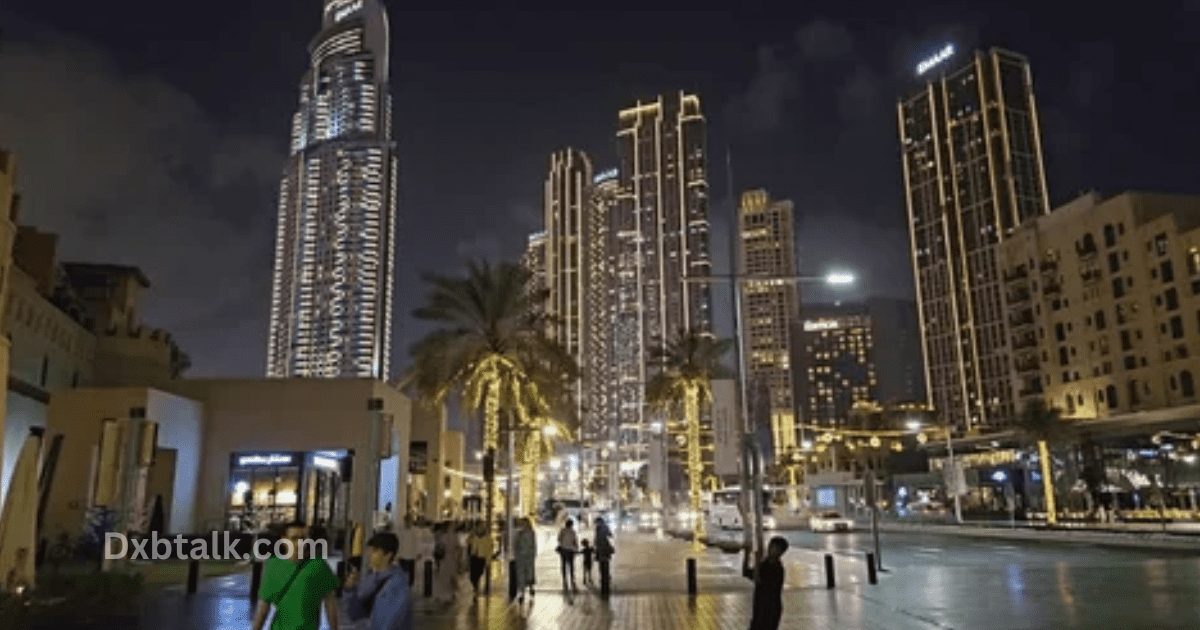
Satwa in the daytime is practical: tailors, fabric shops, errands. Satwa after dark is something else entirely. When the sun sets and the heat loosens its grip, the neighbourhood takes on a new life — locals and visitors come out to dine, shop and socialise, the narrow streets light up with the glow of shops and street vendors, and the whole district settles into a vibrant, friendly evening rhythm that reflects its diverse culture. This is local Dubai, unposed and wide awake.
Dining After Dark: Where the Neighbourhood Eats
The evening food scene is the heart of it. Satwa is packed with casual eateries serving a range of international flavours, perfect for late-night cravings. Street vendors turn out freshly made shawarmas, falafel and grilled kebabs; small restaurants a few steps away offer Indian, Pakistani, Filipino and Middle Eastern dishes, cooked for people who know exactly how those dishes should taste. Prices stay honest because the customers are neighbours, not tourists. Some eateries stay open until the early hours, which makes Satwa one of the best places in the city for night owls to grab a proper bite — cooked food, eaten at a table, long after fancier districts have gone quiet.
Night Shopping and the Fabric Market
Shopping in Satwa does not stop when the sun goes down. Many shops and markets stay open late, selling everything from clothing and accessories to electronics, and the evening crowd browses at a pace the daytime heat never allows. The fabric market is a particular nighttime destination: tailors and shoppers gather to discuss designs and browse new fabrics, bolts of cloth are unrolled under the lights, and commissions get agreed for the week ahead. Watching a length of fabric become the plan for a suit or a dress is a small piece of theatre that has played out in these streets for decades.
📸 Follow @dxbtalk1 on Instagram for daily Dubai in photos →
A Photographer’s Neighbourhood
Satwa is an ideal place for photographers after dark — the vibrant street lights, colourful storefronts and diverse crowd offer a scene on every corner. Locals gathering over tea, shopkeepers chatting in doorways, tourists exploring the neighbourhood with a shawarma in hand: the streets are full of moments that show the community spirit of the place. Be courteous, ask before close portraits, and the neighbourhood will generally reward you with more life than you can frame.
Why Satwa at Night Is a Must-See
For a true taste of Dubai’s local culture, Satwa’s night scene offers an experience like no other. It is a blend of food, shopping and community that creates an atmosphere of warmth and energy — the city as its residents actually live it, best experienced slowly, on foot, and ideally a little bit hungry.
A Suggested Evening Route
Arrive around sunset, when the shops are still open and the first food smells are drifting. Start with a slow lap of the main streets to get your bearings and your appetite, then eat the way the neighbourhood does — something grilled, something wrapped, tea afterwards. Follow dinner with the fabric market, when the tailors are in full evening flow and a commission can be discussed without the daytime rush. End with a second, smaller round of eating somewhere that caught your eye earlier, because in Satwa the first dinner is frequently just research. The whole evening costs a fraction of a night in the famous districts and leaves you with more stories.
Practical Notes for the Night Visit
Satwa rewards walking, so arrive by taxi or metro and let the streets set the pace; parking is a puzzle you do not need. Carry small notes for the street vendors and smaller shops. Dress comfortably and respectfully — this is a residential neighbourhood going about its evening, not a nightlife zone. Most of all, leave time unplanned. Satwa’s night scene is not a list of venues to tick off; it is an atmosphere to wander inside, and wandering is the one activity the district has perfected.






Join the conversation