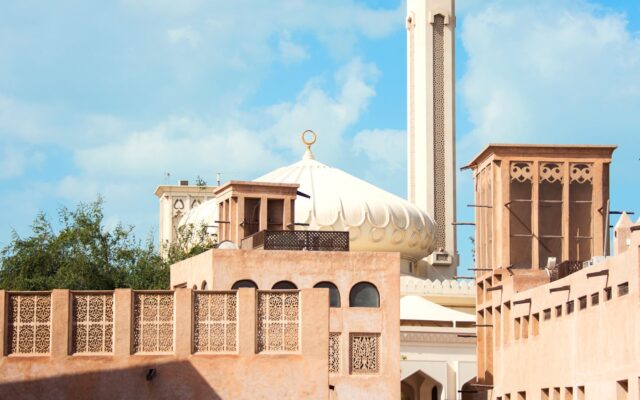
There is a moment on a Ramadan evening in Dubai, just after the Isha prayer, when you can feel a whole neighbourhood change gear. Shops that had dozed through the afternoon are bright again. Families stream along the pavements in their best clothes. And every mosque, from the grand landmarks to the smallest corner prayer hall, begins to fill — row after row after row — for Taraweeh, the night prayers of Ramadan. On these nights, the mosque is not just a place in the neighbourhood. For an hour or two, it is the neighbourhood.
Streets That Glow
Taraweeh changes the look and sound of Dubai after dark. Minarets lit against the night sky, courtyards strung with light, cars arriving steadily and worshippers greeting one another at the doors like guests at a month-long celebration — because that is, in a sense, what Ramadan nights are. Children who would normally be in bed are wide awake and delighted about it, holding their parents’ hands. Elders who pace themselves carefully through the fasting day come alive in the cool of the evening.
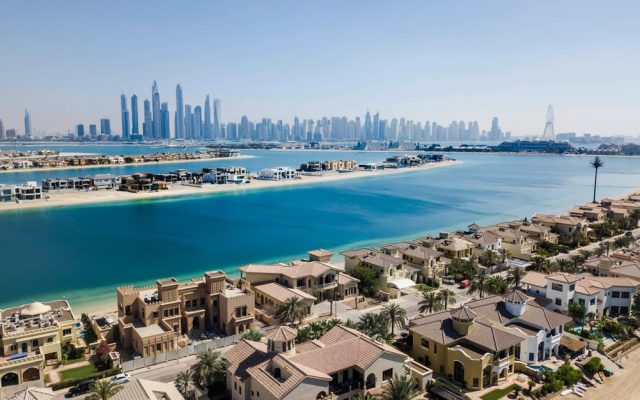
In older districts like Bur Dubai and Deira, the scene spills warmly into the streets: worshippers moving between mosque, café and souk, the call to prayer rolling over the Creek. In newer communities — the Marina, Al Barsha, Muhaisnah, Mirdif — the same picture repeats around tower blocks and villa streets. Different skylines, identical feeling.
Row After Row
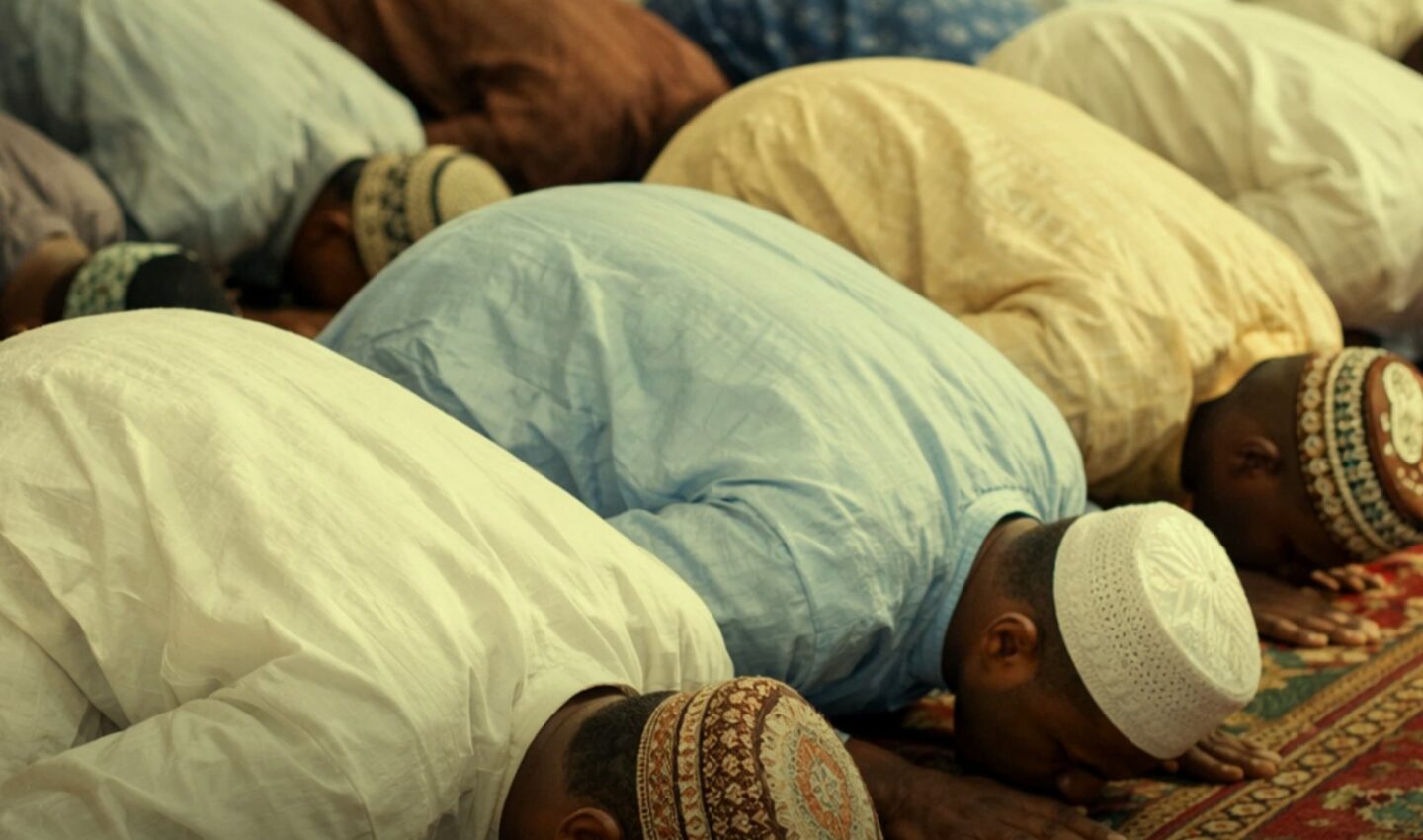
Inside, Taraweeh has a rhythm all of its own. The prayers are longer than on ordinary nights, taken in sets with short rests between them, and the recitation carries through large portions of the Quran across the month. Timings and arrangements vary from mosque to mosque, so regulars check locally — but the atmosphere is consistent everywhere: unhurried, collective and deeply peaceful. Nobody prays Taraweeh alone in Dubai unless they truly wish to. The mosque offers company, and the whole street seems to take it up.
What moves visitors most is the sheer breadth of the gathering. The executive from the tower upstairs stands in the same row as the security guard from its lobby. Grandmothers pray beside students. Boys too small to follow every movement do their earnest best beside their fathers. On the busiest nights — especially in the last ten nights of the month — mosques fill their courtyards and overflow areas too, and still the mood stays gentle. People make room. That is the rule, spoken or not: there is always room.
📸 Follow @dxbtalk1 on Instagram for daily Dubai in photos →
Families at the Heart of It
Taraweeh in Dubai is strikingly a family occasion. Parents speak of it as the part of Ramadan their children remember most fondly in later years — the late nights, the special clothes, the sweetness of being out in the grown-up world after dark, the juice and dates shared between prayers. Women’s sections fill as fully as the men’s halls, with mothers, daughters and grandmothers arriving together, sometimes three generations in one group.
- Arrive together: whole households walk to the mosque, turning the journey into part of the evening.
- Pray at your pace: many stay for part of the prayers, others for all — the atmosphere welcomes both.
- Rest between sets: the pauses are social as much as spiritual, full of greetings and quiet conversation.
- End with community: the walk home, past lit shops and busy tea stalls, is half the pleasure.
The Last Ten Nights
As Ramadan deepens, so do the nights. In the final ten nights, when Muslims hold Laylat al-Qadr especially dear, Dubai’s mosques grow fuller still, and many worshippers stay later for additional night prayers. Streets that would be asleep at that hour in any other month are softly awake. Yet even at their most crowded, the nights keep their character: no rush, no noise beyond the recitation and the greetings, just a city-sized community keeping the same gentle hours together.
It is worth remembering that Ramadan’s dates each year depend on the sighting of the moon and the official UAE announcement, and exact prayer timings change daily — the official calendar or a trusted prayer app is always the place to check. But whenever the month falls, winter or summer, the pattern holds.
A Month of Evenings, Remembered All Year
When Ramadan ends, people speak about Taraweeh the way they speak about a beloved season. They remember which mosque they prayed in, whose voice carried the recitation, which child’s head kept nodding with sleep in the back row. For a month, whole neighbourhoods organise their evenings around the same beautiful appointment, and the memory of it — the glowing streets, the full rows, the feeling of never being alone in the night — carries them warmly through the rest of the year, until the crescent is sighted again and the mosques fill once more.