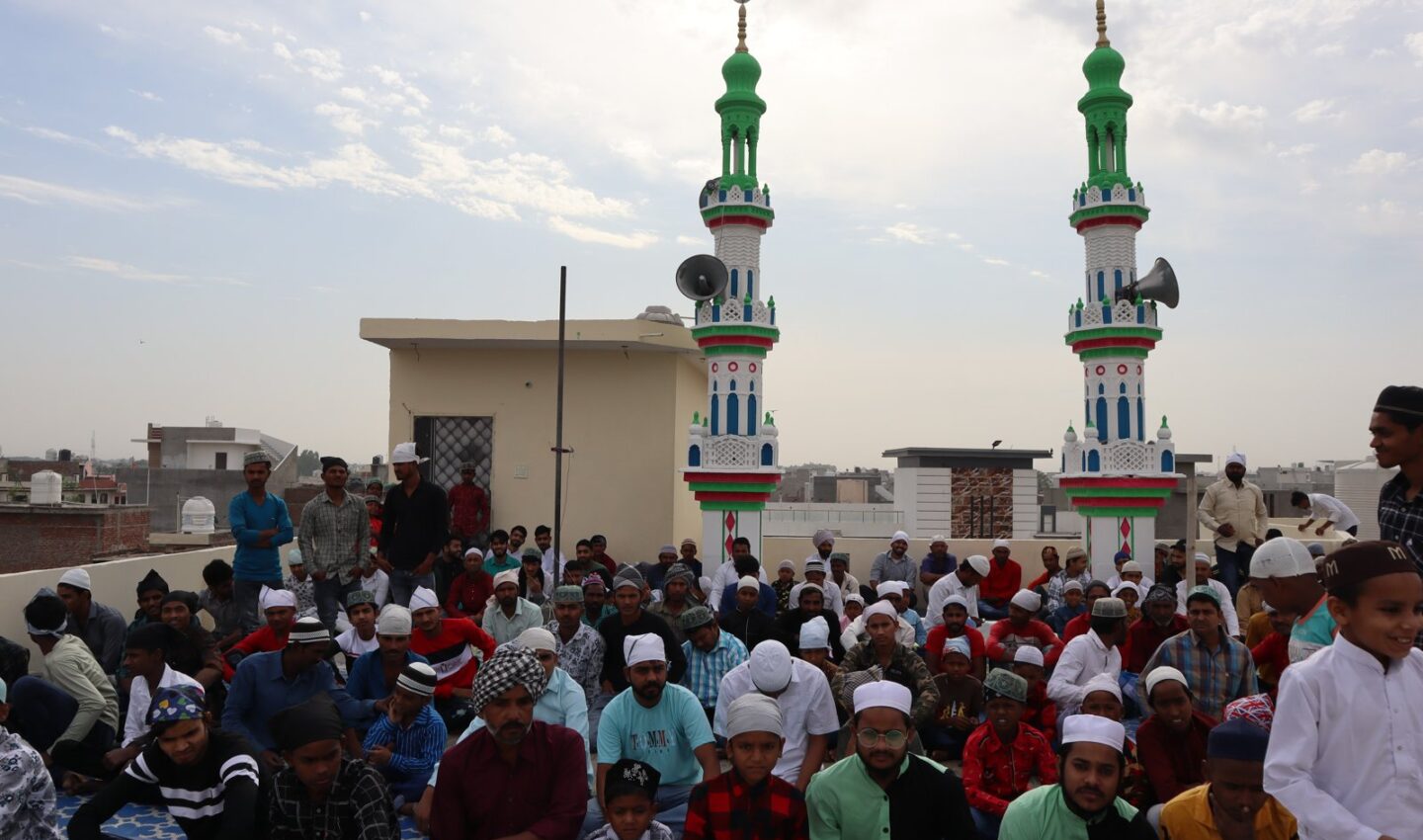
There is a moment, just before prayer begins in any Dubai mosque, that says more about this city than a hundred speeches. The call is given to stand, the rows tighten, and two hundred nationalities shuffle gently into line — shoulder to shoulder, foot to foot, no gaps. An Emirati businessman beside a Pakistani taxi driver. A Filipino nurse beside a Sudanese teacher. An Indian shopkeeper, an Egyptian engineer, a Nigerian student, a British convert, a Bangladeshi tailor — all facing the same way, in the same row, at the same moment. If you want to see what Dubai truly is, stand in that row.
No Front for the Rich, No Back for the Poor
The row does not do reservations. There is no VIP section in a mosque, no priority boarding, no premium tier. Whoever arrives first stands at the front; whoever arrives last fills the back — and tomorrow the order may reverse entirely, because the only ticket that counts is punctuality. The chief executive who dashes in late takes his place in the last row without a murmur, behind the cleaner who came early. Regular worshippers describe this as one of the sights they love most in the city: the daily, practical, unarguable equality of the row.
Clothing tells the same story when you look closely. White thobes, coloured kurtas, shirts and ties, uniforms, overalls — the row gathers them all into one line and makes the differences look small beside the sameness. Languages differ, accents differ, lunch plans afterwards will differ wildly. For the length of the prayer, none of that is the point.
A City of Two Hundred Homes
Dubai’s famous statistic — a population drawn from some two hundred nationalities — is quoted so often it risks becoming wallpaper. In the mosque it stops being a statistic. It becomes the man on your left whose name you have been meaning to ask for a year, the elderly Afghan whose handshake is a whole conversation, the group of Indonesian friends who save a spot for the latecomer, the West African brothers whose deep voices carry the Ameen like a wave.
Many worshippers came to Dubai alone, leaving families on other continents, and the mosque row is where aloneness ends. You may share no first language with the men and women beside you, but you share the movements, the rhythm, the greeting at the end — As-salamu alaykum, peace be upon you — and a handshake warm enough to translate itself. Friendships in this city are famously born in that final handshake.
📸 Follow @dxbtalk1 on Instagram for daily Dubai in photos →
Shoulder to Shoulder, On Purpose
The closeness is deliberate. Worshippers are encouraged to stand close, closing the gaps, so the row is one unbroken line rather than a scatter of individuals. Physically, it is a small discipline: straighten the row, stand firm, make room for one more. Spiritually, people speak of it as the whole faith in miniature — separate lives, pressed together into a single act, nobody praying alone even in a crowd of strangers.
Children learn it by standing in it. A small boy between his father and a stranger absorbs, without a single lecture, the lesson that the stranger is his brother in the row. Girls in the women’s section, standing between their mother and a lady from a country they cannot yet find on a map, learn exactly the same.
After the Salam
When the prayer ends and heads turn right and left in the closing greeting, the row dissolves — into handshakes, embraces, introductions, invitations. This is where the unity becomes practical: a job lead passed to the man who mentioned he was looking, a lift offered to the elder whose car failed, a newcomer’s phone filled with new contacts by Friday. The mosque doors empty into a dozen languages of conversation, and the city goes back to work a little more connected than it arrived.
The Truest Picture of Dubai
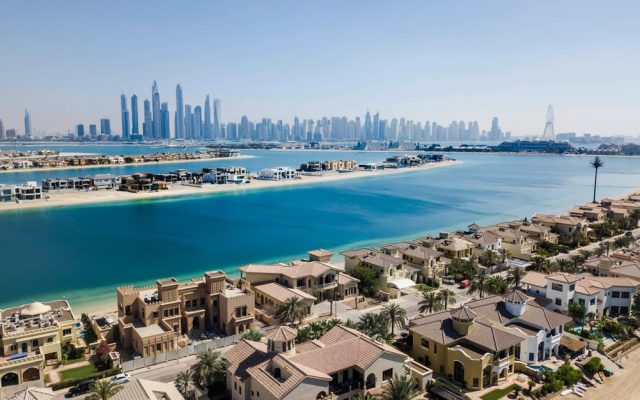
Photographers shoot Dubai from helicopters: the Palm, the towers, the marina curve. All true, all incomplete. The complete picture is at ground level, five times a day, in a thousand prayer halls — two hundred nationalities standing so close their shoulders touch, asking for the same mercy in a dozen tongues. Shoulder to shoulder is not a slogan in this city. It is a posture, practised daily, and it may be the most hopeful thing Dubai does.