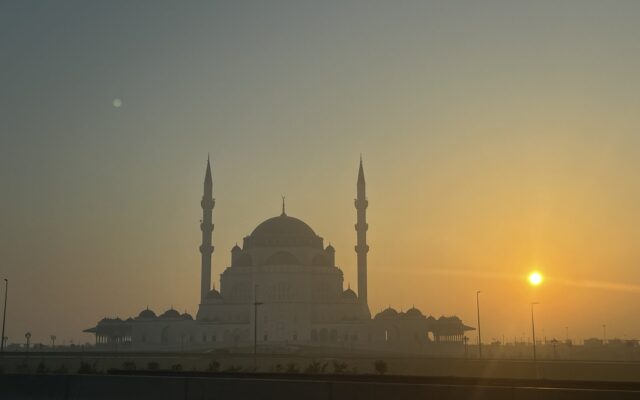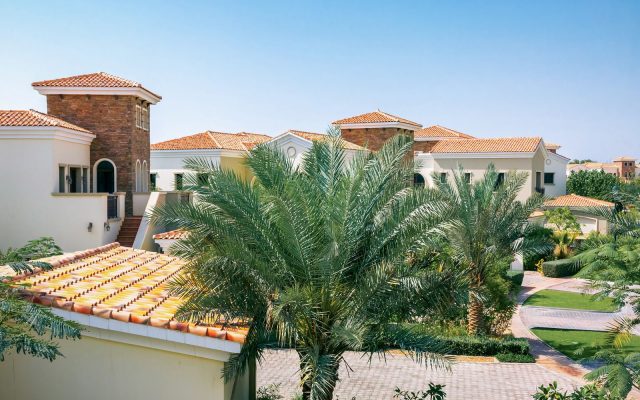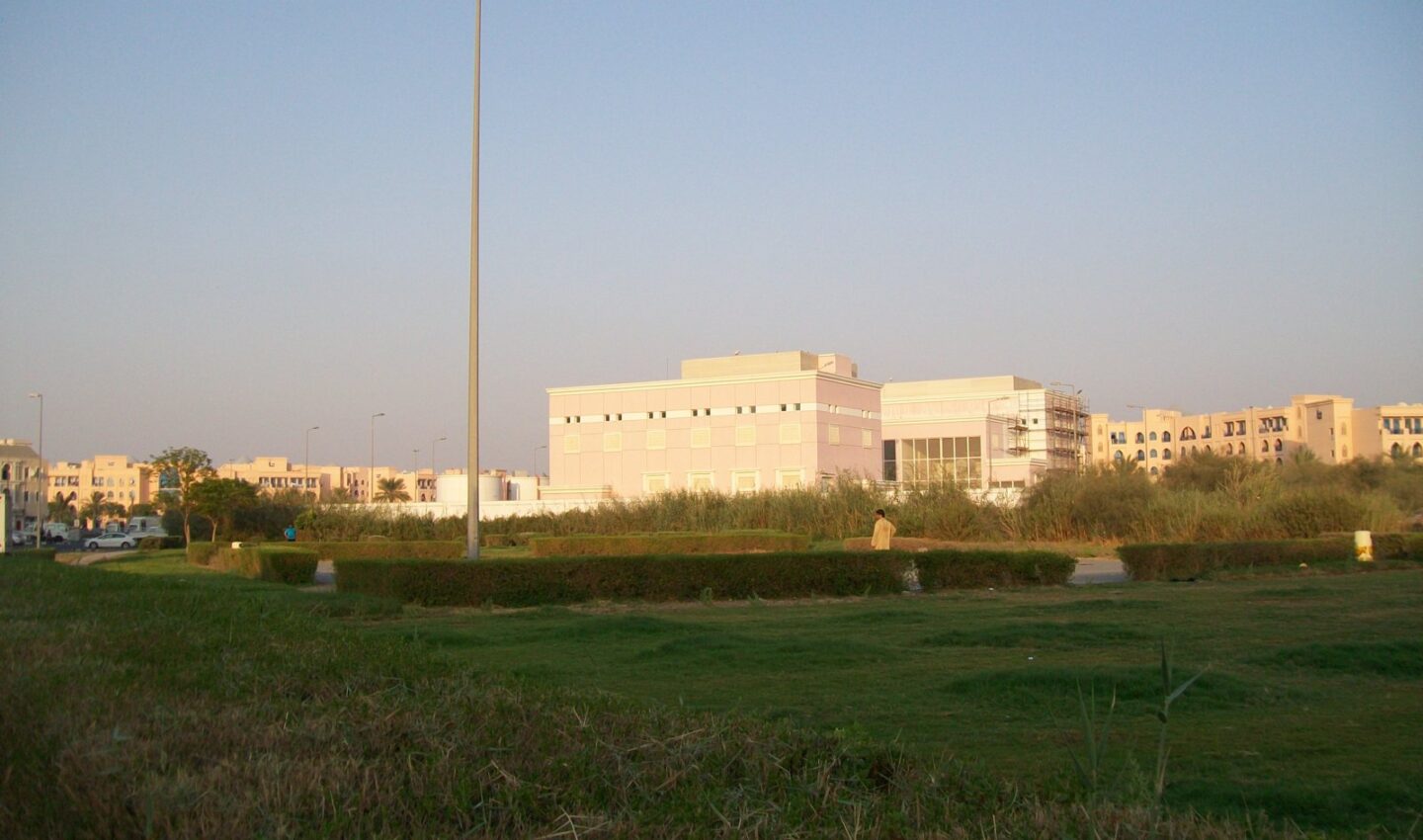
Only in Dubai would a neighbourhood be built as a tour of the world — clusters named for China, England, France, Persia, Greece, Morocco and more, wrapped around lakes on the city’s eastern side. International City was designed as affordable, cheerful housing for the people who power Dubai, and its residents took the theme and made it real. Walk its streets at prayer time and you will see the concept fulfilled in the best possible way: worshippers from dozens of nations streaming towards the mosques that serve the clusters, greeting each other across every border the architects drew for fun.
If the unity of many nationalities praying side by side is the heart of Dubai’s mosque story, International City might be its clearest illustration. The population here is famously mixed — Chinese traders, Pakistani families, Indian professionals, Filipino staff, Arab households, African students and entrepreneurs — and the mosques gather that mixture, undiluted, five times a day.
One district, a world in every row
Stand at the back of a Friday congregation in International City and try to count the countries represented. You will give up. The rows hold dragon-mart traders and delivery riders, university students and grandmothers, office workers from the nearby business districts and taxi drivers taking their break where their people are. Languages swirl at the door — Mandarin, Urdu, Hindi, Arabic, Tagalog, Swahili, English — and then, at the first words of the prayer, become one silence.
That weekly experience shapes the district’s character. International City can feel anonymous from a car window — block after themed block — but its mosques give it centres of gravity. People are recognised, greeted by name, missed when absent. For residents far from their home countries, which here means almost everyone, the mosque is often the first place the city becomes personal.
Prayer among the clusters
Practically, the district is well served: mosques serve the residential clusters so that daily prayer is a walk rather than a drive for most residents — a mercy in August and a pleasure in January. The daily pattern follows the citywide rhythm. Fajr brings the devoted early risers; Dhuhr and Asr catch workers and traders between shifts; Maghrib fills quickly as families return home; Isha ends the day with neighbours lingering in the cooler air. Prayer times change daily, so residents do what Dubai residents everywhere do — check the official UAE calendar or a prayer times app for the day.
Friday is the district’s grand gathering. Congregations grow large enough that arriving early is wise, families dress in their best, and after prayer the cluster streets take on a market-day warmth: greetings, invitations, children with sweets, and the smell of a dozen cuisines drifting from a dozen kitchens. The sermon is in Arabic, as across the UAE, but the community around it speaks every language the buildings are named after — and a few more besides.
📸 Follow @dxbtalk1 on Instagram for daily Dubai in photos →
Ramadan in the world’s neighbourhood
Ramadan, whose dates each year depend on moon sighting and official announcement, may be International City’s finest season. Iftar here is a genuinely international table: dates and water first, then dishes that travel from row to row — samosas beside spring rolls, biryani beside noodles, Arabic sweets beside Filipino desserts. Nobody asks which cluster you live in before filling your plate. Later, the night prayers draw the district out again, and the Dragon Mart side streets stay gently alive with families, tea and conversation.
- For new residents: the local mosque is the fastest way to find your community within the wider one.
- For families: children grow up with friends from everywhere — and think it is perfectly normal.
- For workers: prayer anchors the day between the warehouses, shops and offices of the wider Warsan side.
Many nations, many mosques, one faith
Most mosques in International City, as across Dubai, are places for worshippers rather than visitor attractions, and non-Muslim entry varies by mosque — those wanting a guided visit should look to Jumeirah Mosque’s tours. But you do not need to step inside to understand what happens here. Just be on a cluster street when the adhan sounds at sunset, and watch the world’s neighbourhood turn, as one, towards its mosques.
The architects gave International City façades from everywhere. Its residents, through their mosques, gave it something the blueprints could not: a heart that beats in every language, five times a day.