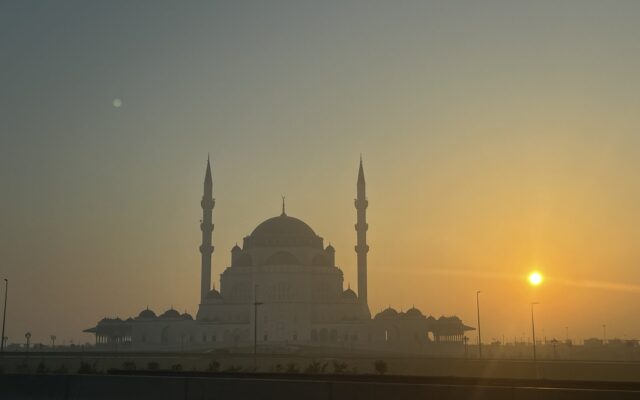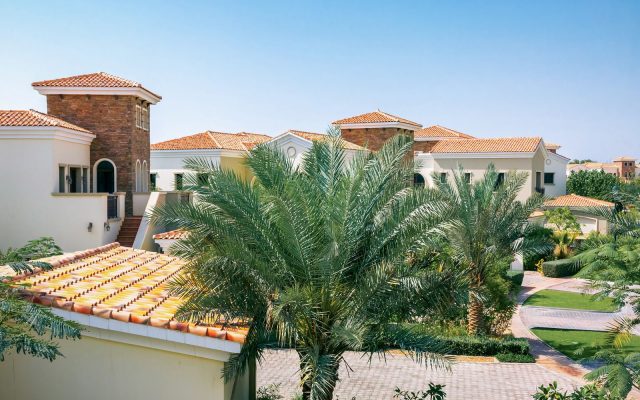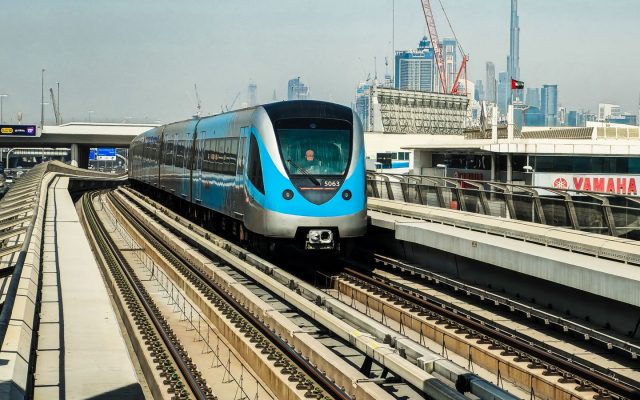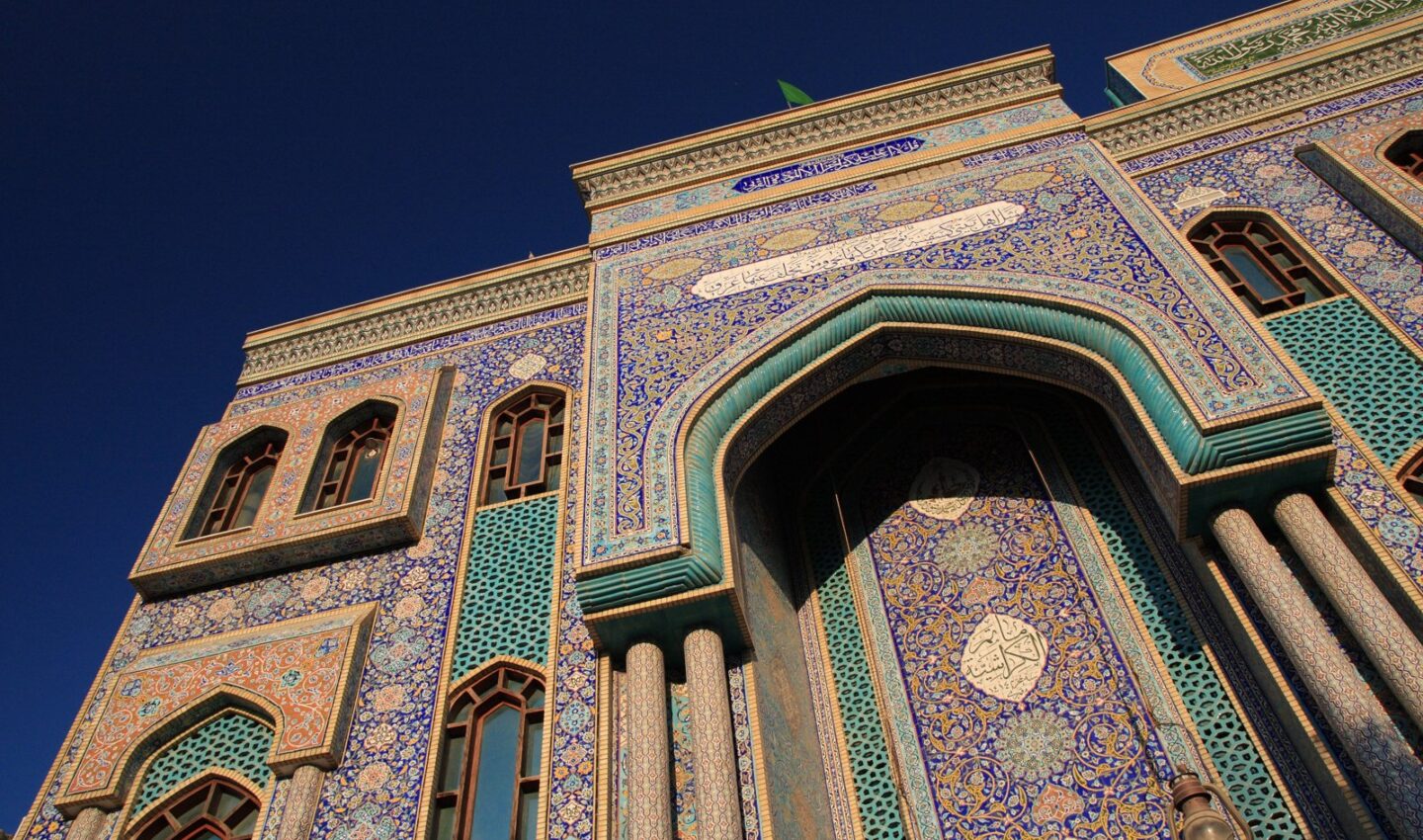
Dubai South is the city’s future under construction: a vast new district rising around Al Maktoum International Airport and the Expo 2020 site, with fresh residential neighbourhoods filling street by street, school by school, family by family. New districts pose a particular question — where does community come from, when everything is new? In Dubai, the answer has always arrived early in the master plan: the mosque. As Dubai South grows, its new mosques and prayer spaces are growing with it, giving new neighbourhoods their first gathering place and their first shared rhythm.
First the mosque, then the neighbourhood
There is a pattern anyone who has watched Dubai grow will recognise. A new community opens; the first residents arrive to quiet streets and half-finished landscaping; and the local mosque — or at first, dedicated prayer spaces serving the community — becomes the place where those strangers become neighbours. Long before there is a residents’ association or a favourite café, there is a congregation: the same families at Maghrib, the same greetings after Isha, children making their first local friends on the mosque steps.
In Dubai South that pattern is playing out now. New mosques serve the growing residential communities around the airport city and the Expo district, and prayer rooms serve the workplaces — the logistics, aviation and hospitality operations that run day and night around a major airport. For pioneer residents, the mosque is proof that the district is not just being built; it is being lived in.
Prayer around an airport city
An airport never sleeps, and neither, quite, does prayer around one. Shift patterns in aviation and logistics mean worshippers arriving at every hour the prayer schedule allows, and the district’s mosques and workplace prayer facilities absorb that flow with the flexibility Dubai does well. Staff pray between rotations; travellers and crew passing through the area find options without long detours; and residents keep the calm, local rhythm of a family suburb — school runs, evening walks and the mosque at the gentle centre of both.
Prayer times, here as everywhere, change daily with the sun — check the official UAE calendar or a prayer times app for the day, a habit that matters doubly for shift workers planning around rosters. Fridays already have the unmistakable energy of a young community: prams and grandparents, new faces being welcomed with genuine curiosity, and a congregation that seems to grow a little larger, and a little more settled, with every month that passes.
📸 Follow @dxbtalk1 on Instagram for daily Dubai in photos →
Ramadan in a new district
The first Ramadans in a new neighbourhood are remembered for decades, and Dubai South is collecting those memories now. When the month arrives — its dates set by moon sighting and official announcement — the new mosques host the district’s first shared iftars, where founder-residents break their fast together and traditions begin on the spot. Taraweeh nights bring families out into streets that, a few years ago, were desert and drawings. There is something deeply moving about a brand-new mosque full at midnight: the future district, quite literally, at prayer.
- New residents: the local mosque is the community’s front door — arrive, pray, and let the introductions happen.
- Airport and logistics staff: workplace prayer rooms and nearby mosques cover rotating shifts; plan with the day’s official times.
- Families: growing districts mean growing congregations — children here will remember being part of the first generation.
A note for the curious
Dubai South’s mosques are working community mosques, built for their worshippers; non-Muslim entry varies by mosque, as across the city, and visitors wanting a guided mosque experience should look to Jumeirah Mosque’s tours. What anyone can appreciate, driving through, is the sight of minarets rising alongside the cranes — a declaration, in the middle of the construction, of what the finished district is for.
The oldest feature of the newest city
Dubai South markets itself on tomorrow: the airport of the future, the city of the future. Its mosques are a graceful counterweight — the oldest institution in the city’s life, planted first and growing fastest where everything else is newest. When the master plan is complete and the cranes are gone, the communities will remain. They are being gathered, five times a day, right now.