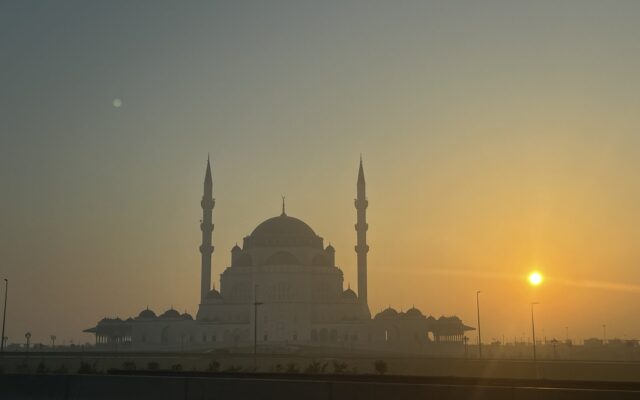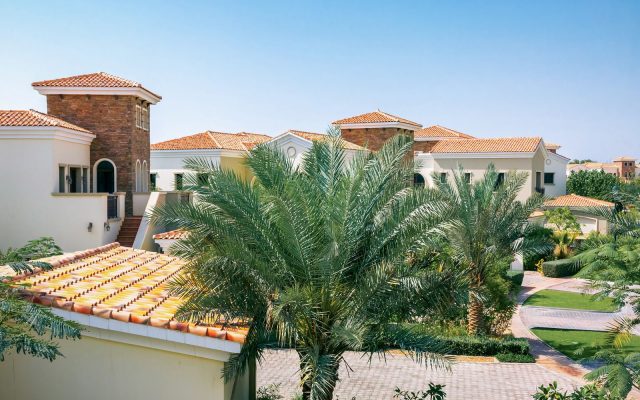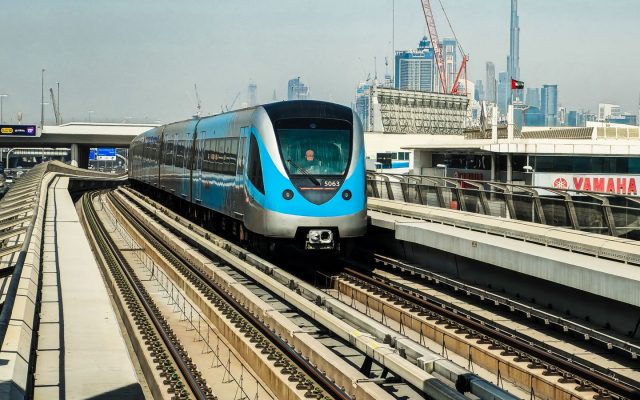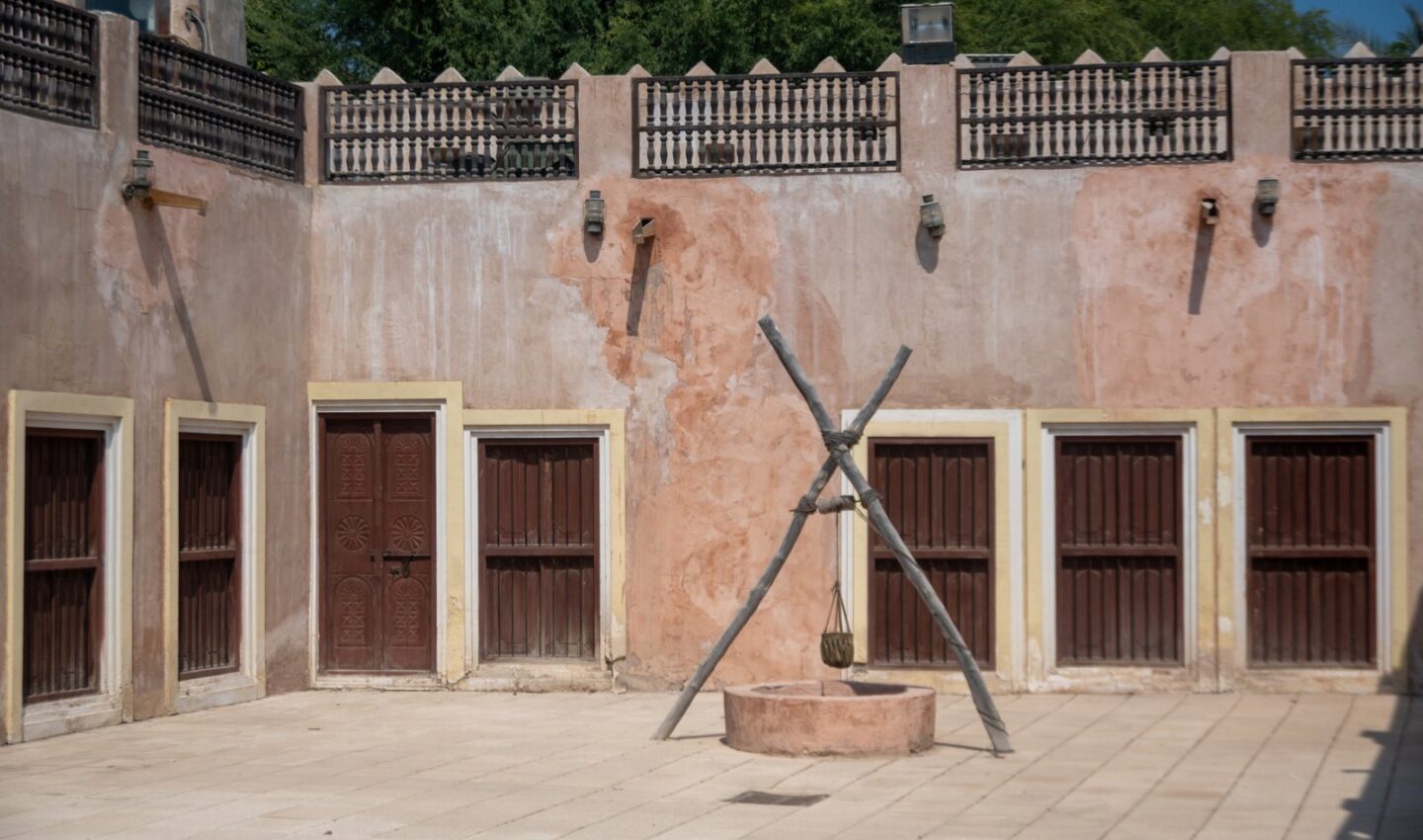
Some Dubai neighbourhoods announce themselves with towers and billboards. Al Jafiliya does something better: it announces itself with memory. Sitting between Satwa, the old consulate quarter and the wide roads that run towards Sheikh Zayed Road, this is one of the city’s oldest residential districts — a place of low-rise buildings, corner cafeterias, tailors, grocers and streets where families have lived for decades. At its centre, as it has been for generations, stands the neighbourhood mosque: not one famous landmark, but a small family of long-standing community mosques that have watched Al Jafiliya grow up around them.
Ask older residents about the area and the mosque quickly enters the story. It is where fathers walked their sons to Fajr, where grandfathers still take their honoured place, and where the same faces have greeted each other, five times a day and across whole lifetimes, with a familiarity no shopping mall can manufacture. In a city famous for the new, Al Jafiliya’s mosques are a gentle argument for the value of the long-established.
Generations on the same carpet
The loveliest thing about prayer in Al Jafiliya is the age range in every row. Teenagers who were carried here as babies now help elderly worshippers to their chairs. Men who arrived in Dubai as young workers — from Kerala, from Karachi, from Cairo, from Manila’s Muslim communities and from the Emirates themselves — now come with grey in their beards and grandchildren at their side. The mosque has been the one constant through job changes, family joys and sorrows, and the slow transformation of the streets outside.
That continuity shapes the atmosphere. People are known here: the imam knows who has been unwell, neighbours notice an empty place in the row, and after prayer the conversations on the pavement can last as long as the prayer itself. For a newcomer moving into the district, regular attendance at the local mosque is still one of the fastest ways to stop being a stranger. A handshake after Fajr, repeated kindly over a few mornings, becomes an introduction; an introduction becomes an invitation; and soon the neighbourhood has your name.
Faith beside the consulate quarter
Al Jafiliya’s position gives its mosques a distinctive congregation. The nearby consulates and offices bring a daily flow of visitors and staff from many countries, while Satwa’s famously mixed community spills naturally across the boundary. On any given day the rows reflect that blend — South Asian, Arab, African and Filipino worshippers, office clerks beside shopkeepers, drivers beside diplomats’ staff. It is Dubai’s multinational story told quietly, without ceremony, in a district that was living it long before the phrase became fashionable.
The practical rhythm will be familiar to anyone who prays in old Dubai. Prayer times shift daily, so residents check the official UAE calendar or a prayer times app for the day. Small local mosques serve the five daily prayers within an easy walk of most homes — a real blessing in the summer heat — while Friday prayer draws the whole community together, with worshippers arriving early as the halls and courtyards fill. Most mosques here are for worshippers; visitors interested in a guided mosque experience are usually directed to Jumeirah Mosque’s tours, while Al Jafiliya’s own houses of prayer remain, happily, working neighbourhood mosques.
📸 Follow @dxbtalk1 on Instagram for daily Dubai in photos →
The small kindnesses of an old district
- After-prayer tea: conversations that begin on the mosque steps often finish over karak at a nearby cafeteria.
- Looking out for elders: younger worshippers instinctively make space, carry chairs and walk older neighbours home after Isha.
- Ramadan evenings: dates and water shared at Maghrib, fuller rows at the night prayers, and a district that feels like one extended family.
- Everyday charity: quiet, unrecorded help for anyone in the community having a hard month.
None of this is organised with posters or announcements. It is simply what happens when the same community prays in the same place for a very long time.
Why Al Jafiliya matters
Dubai’s story is usually told through what it built next. Al Jafiliya tells the other story: what it kept. Its mosques are not the city’s largest or most photographed, and that is precisely their charm. They are proof that faith in Dubai is not only domes and floodlights, but also the elderly neighbour helped across the road after prayer, the shopkeeper who closes for twenty minutes at Asr, and the boy racing his bicycle to Maghrib because his father is waiting in the row.
If you pass through the district, slow down. Listen for the adhan rolling over the low rooftops, notice the shoes lined up at the door and the old friends talking long after the prayer has ended. That is Al Jafiliya — one of Dubai’s oldest districts, still keeping faith, and keeping each other, beautifully well.