People reach for the word “contrast” to describe Dubai — old against new, tradition against ambition — and the word is accurate but lazy. Contrasts are static. What Dubai actually does with its heritage is connective: it threads the old through the new so deliberately that the two become one fabric. The wind tower reappears in steel above a shopping district; the dhow sails past the marina it predates by a century; a heritage quarter hums with start-ups and cafés. Heritage here is not kept behind glass. It is kept in circulation — and understanding that is close to understanding the city itself.
The Old Language, Spoken in New Materials
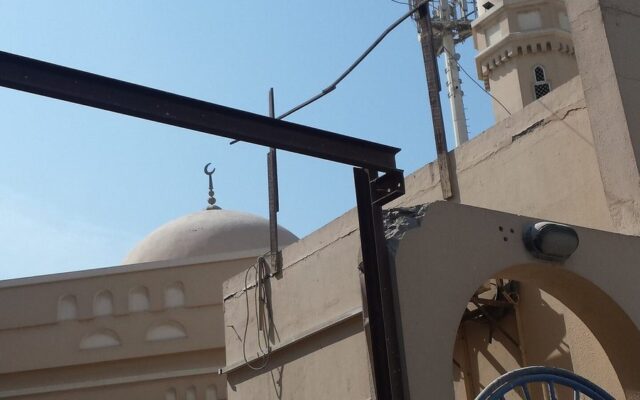
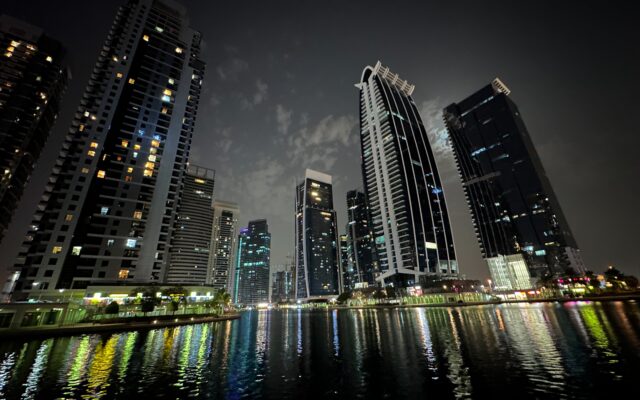
Start with the buildings, because they make the argument visibly. Contemporary Dubai architecture keeps borrowing the traditional vocabulary: wind-tower silhouettes reinterpreted in glass and steel, courtyard layouts organising modern floor plans, mashrabiya lattice patterns shading new facades the way they shaded old houses. This is not nostalgia. The old forms solved real problems — heat, light, privacy — and the new buildings adopt them because the problems never left. Around the architecture, the urban mix does the same work: museums stand beside malls without embarrassment, heritage neighbourhoods host contemporary businesses and art spaces inside restored walls, and traditional boats work the same water as the yachts. The past in Dubai is not a district you visit. It is a layer present everywhere, if you know how to look for it.
Traditions That Still Run the Calendar
The deeper connection is behavioural. Emirati traditions continue to set the rhythm of daily life beneath the modern surface: the hospitality customs that govern how a guest is received, Ramadan’s annual reordering of the city’s days and nights, national celebrations, family gatherings that anchor weekends. These are not survivals performed for visitors; they are the living operating system of the society, and the modern city runs on top of them without replacing them. Newcomers who learn these rhythms — when the city slows and when it celebrates, how guests are welcomed and elders honoured — find that everything else about Dubai suddenly reads more clearly. The towers stop being the whole story and become the newest chapter of an older one.
📸 Follow @dxbtalk1 on Instagram for daily Dubai in photos →
Where the Two Sides Meet Most Visibly
If you want to watch the connection happen in public, go to the festivals. National celebrations honour heritage with traditional performance and craft at full civic scale, while the cultural seasons — art fairs, design weeks, international festivals — place Emirati and global creativity side by side in the same rooms. Markets do it at street level, keeping traditional foods and crafts in daily circulation beside everything modern retail offers. Attending one of these is the fastest way to feel what residents know: in Dubai, modernity and tradition are not opponents negotiating a border. They are partners, each making the other legible.
The Household Level, Where It Actually Lives
The connection is easiest to miss at the scale where it matters most: the family. Modern Dubai life runs on smartphones, apps and towers, and simultaneously on majlis gatherings, on hospitality rituals performed exactly as grandparents performed them, on food cooked from recipes that predate the state. Multigenerational households and Friday family tables sit inside high-rise districts without any sense of contradiction, because the people living them never experienced one. This is the thing the “contrast” framing always misses. Heritage in Dubai is not a sector of the economy or a department of the municipality. It is the private practice of hundreds of thousands of households, carried on in parallel with the most modern urban life on earth — and the public architecture, festivals and museums are simply that private loyalty made visible.
Why the Weaving Matters
There is a practical wisdom in it. Cities that grow as fast as Dubai does routinely lose their identity in the growth, and wake up rich and anonymous. Dubai’s deliberate effort to keep heritage visible — in design, in festivals, in education, in the protected old quarters — buys the city continuity: residents get a sense of belonging that is older than their own arrival, and visitors get a place with a story rather than a spectacle. For anyone exploring, the richest itinerary follows the weave: a morning in the old neighbourhoods, an evening among the towers, and the appreciation that neither half fully explains itself without the other.