

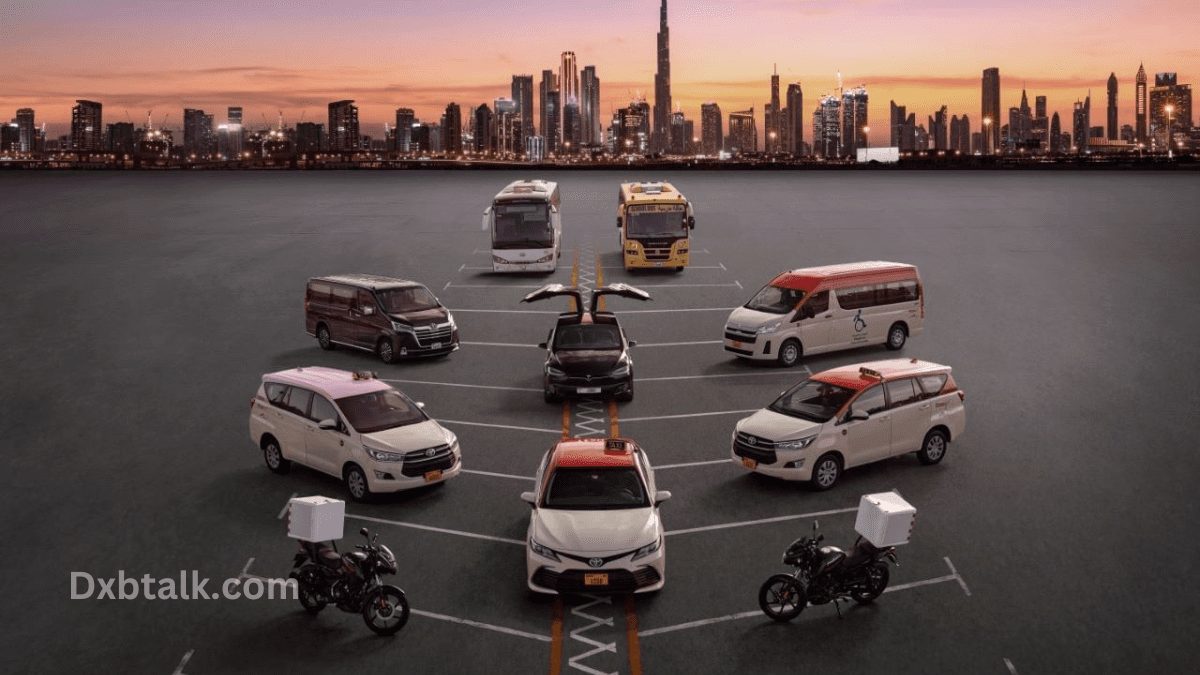
Ask a long-time Dubai resident how the city changed and, somewhere between the skyline and the metro, they will mention the taxis. A journey that once began with a hopeful wait at a kerb now begins with a pin on a map and a driver’s name — yet the metered taxi never disappeared. Dubai’s taxi story is an evolution, not a replacement, and understanding its layers helps you pick the right ride for every journey.
The Metered Fleet: The Foundation
Dubai’s traditional taxis remain the system’s bedrock: a large, regulated fleet covering the whole emirate, hailed on the street, queued at ranks outside every mall, hotel and airport, and dispatched by phone and app for those who plan. The product is consistency — metered fares by distance, trained and licensed drivers, vehicles maintained to a regulated standard. For visitors especially, that predictability is the point: the fare is the meter, the standard is the city’s, and the coverage means a taxi is a plan that works anywhere, including the districts ride-hailing serves thinly.
The App Revolution: Careem, Uber and the New Habit
Ride-hailing rewrote the experience layer. Careem — born in this region and woven into daily life — and Uber brought booking into the phone: the car located, the price estimated upfront, the payment cashless, the ride rated. The personalisation is real — your pickup remembered, your preferences saved, premium tiers a tap away — and for residents it converted the taxi from a street negotiation into a utility, as thoughtless as the elevator. The apps also professionalised expectations across the whole market: the metered fleet answered with its own booking channels and standards, which is why Dubai’s taxi ecosystem is best understood as one system with several front doors.
📸 Follow @dxbtalk1 on Instagram for daily Dubai in photos →
The Luxury Tier: Dubai Being Dubai
Naturally, there is a top shelf. High-end taxi and limousine services put premium sedans — Mercedes-Benz and Lexus among the familiar badges — on the same booking logic, aimed at airport runs, business travel and occasions. It sounds like excess until you price the context: for a client-facing journey or an event arrival, the upgrade buys calm, space and impression at a rate the city considers normal. Dubai’s genius is that the tiers coexist without embarrassment — the same traveller takes a metered cab to lunch and a luxury car to the gala.
Which Ride for Which Journey
Matching the tier to the trip is the local skill. The airport run splits the city: metered taxis wait in organised ranks at the terminals with zero planning required, while the luxury tier suits the arrival you want to feel like an occasion — or the departure after a long trip, when comfort is worth more than the saving. Daily commuting belongs to the apps, whose saved places and cashless payment remove all friction from the repeated journey. Visitors crossing the city for dinner often do best with the metered fleet’s predictability on the way out and an app car, pre-booked, on the way home when the hour is late and the street is quiet. Groups should say so early — larger vehicles exist on both systems and vanish first at peak times. There is no wrong door into Dubai’s taxi system; there are only better and worse fits for the journey in front of you.
Why the System Works
Three structural strengths explain it. Regulation: licensing, standards and oversight keep quality and safety consistent across a huge fleet, so trust does not depend on the individual car. Availability: the services run 24/7 in truth, not in slogan — the 4 a.m. airport run and the post-midnight dinner both end with a car. And pricing that stays competitive: regulated metered fares by distance keep taxis within everyday reach for residents, not just visitor budgets. Whether you hail, tap or book the limousine, Dubai’s taxi system is built so that “how will we get there?” is the easiest question of any day in the city.




Join the conversation