

The Evolution of Dubai’s Residential Architecture
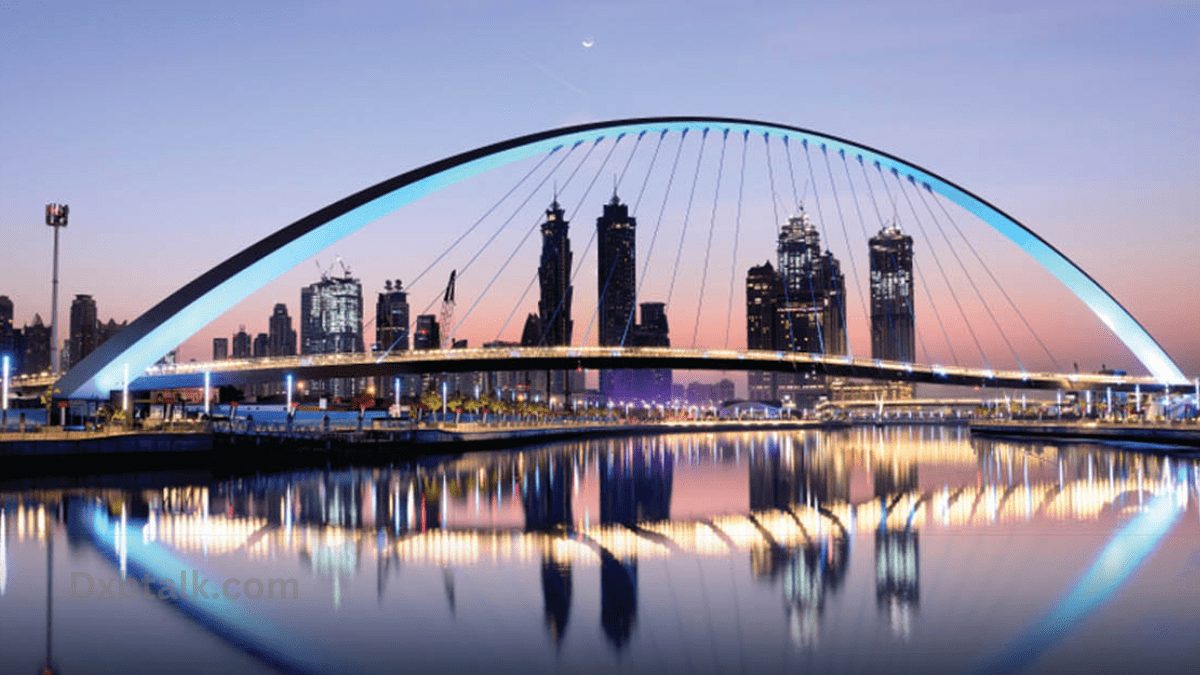
Dubai’s residential architecture reflects the city’s rapid transformation, blending traditional designs with contemporary innovations. From modest homes in the past to luxury villas and futuristic skyscrapers, the evolution of residential architecture in Dubai is truly remarkable.
Traditional Emirati Homes
Historically, Dubai’s residents lived in barasti (palm frond) houses, which were simple and functional, designed to withstand the desert heat. These homes often featured wind towers for natural ventilation.
Modern Villas and Communities
Today, areas like Emirates Hills and Palm Jumeirah feature opulent villas with state-of-the-art facilities. These homes combine traditional Arabic elements like mashrabiya screens with modern luxuries, catering to the city’s affluent residents.
Affordable Housing
Dubai has also prioritized affordable housing options, with developments like Al Furjan and Jumeirah Village Circle offering mid-range residential units for families and professionals.
Futuristic Developments
The rise of sustainable communities, such as the Sustainable City, highlights Dubai’s focus on environmentally conscious living. These residences incorporate energy-efficient designs, smart technologies, and green spaces to promote sustainable living.
Conclusion
Dubai’s residential architecture encapsulates its dynamic growth, offering a spectrum of designs that cater to diverse lifestyles while embracing its cultural roots.
Hashtags: #ResidentialArchitectureDubai, #ModernLiving, #DubaiVillas, #SustainableLiving
How Climate Shaped the Earliest Homes
Before air conditioning, a Dubai home had to work with the climate rather than against it. Barasti houses, built from palm fronds, were light, repairable and suited to a coastal settlement where families might also spend part of the year elsewhere. As coral stone and gypsum became more widely used in settled neighbourhoods, houses grew more permanent, but the design principles stayed similar: thick walls that softened the heat, small external openings, shaded courtyards where family life could happen away from the street, and wind towers — barjeel — that caught passing breezes and drew cooler air down into the rooms below.
You can still read those ideas in the restored houses of Al Fahidi Historical Neighbourhood in Bur Dubai. Modern designers who borrow the mashrabiya or the courtyard are not simply copying a look — they are reusing a practical response to sun, heat and social customs.
From Low-Rise Neighbourhoods to Villa Communities
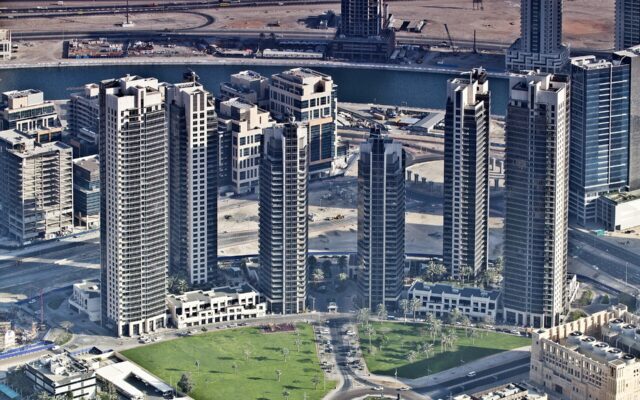
As Dubai grew and oil-era prosperity changed expectations, concrete and air conditioning replaced natural ventilation, and the apartment block and the standalone villa became the common forms. Early residential districts were largely low-rise and close to the Creek and the established trading areas. Later, master-planned communities moved family housing further inland and along the coast, offering villas and townhouses around schools, parks, lakes and local shops rather than single streets of houses.
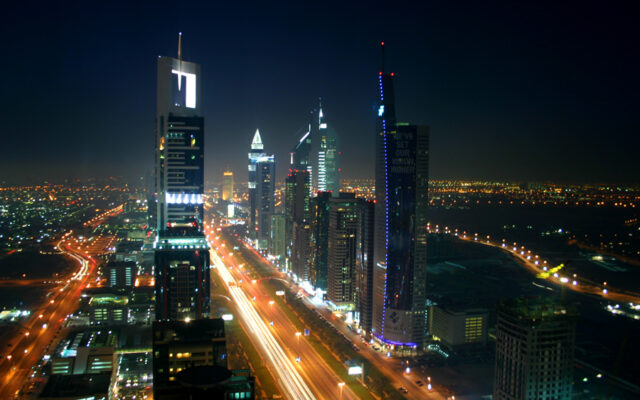
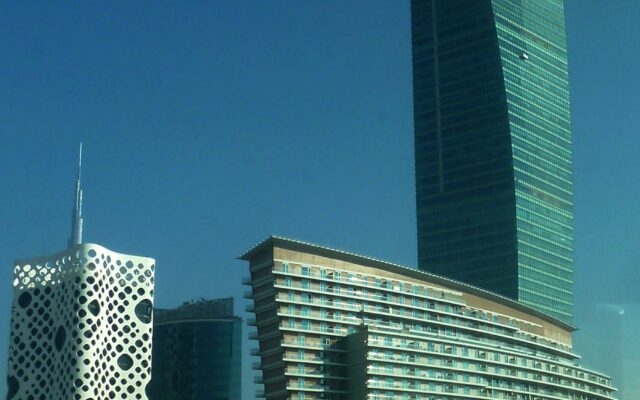
That shift changed daily life as much as appearance. At the same time, high-rise living expanded sharply: for many professionals and smaller households, an apartment in a tower with a gym, pool and concierge offered a more practical version of Dubai life than a villa, with less maintenance and a shorter commute.
📸 Follow @dxbtalk1 on Instagram for daily Dubai in photos →
What Buyers and Tenants Now Look For
Across price levels, the priorities that shape new homes have become clearer in recent years:
- Usable outdoor space: a balcony, terrace or garden that can genuinely be used in the cooler months, not just looked at.
- Flexible rooms: space that can work as a home office, study or guest room as family needs change.
- Lower running costs: better insulation, efficient cooling and appliances, and layouts that bring in daylight without excessive heat.
- Community facilities: walking and cycling paths, shaded play areas and local shops within the development itself.
Sustainable communities such as The Sustainable City, mentioned in the main guide, take this furthest, but elements of the same thinking — solar power, water saving, shaded streets and more planting — now appear in mainstream developments too. Expect claims about savings and green features to vary by project, so ask for specifics about service charges, cooling systems and what is actually included before you buy or rent.
Reading Dubai’s History in Its Streets
One of the pleasures of exploring Dubai residential areas is how visibly the layers sit side by side. None of these stages has completely replaced the one before it. Together they explain a city that has repeatedly rebuilt its idea of home — around climate first, then around prosperity and choice, and increasingly around sustainability and quality of everyday life.



Join the conversation